
If you’ve recently experienced an animal bite or scratch while in Bali, you may have been advised to begin rabies PEP (Post-Exposure Prophylaxis), an emergency treatment designed to prevent the rabies virus from developing. Because rabies in Bali remains a public health concern despite ongoing vaccination programs, early management after potential exposure is essential. Rabies is preventable when treated promptly, but timing is critical. This guide explains what rabies PEP involves, how the treatment process works in Bali, and what you should expect after a potential exposure.
What is Rabies PEP? A Patient’s Guide to the Post-Bite Treatment Process
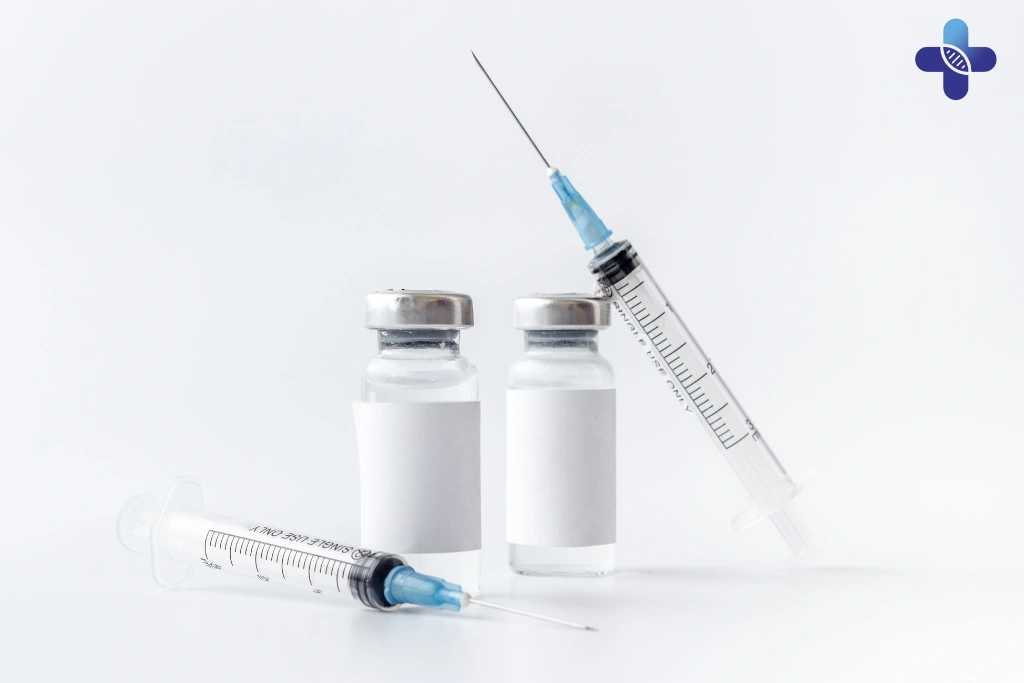
Post-Exposure Prophylaxis (PEP) is a structured medical treatment given after a possible exposure to rabies. It is designed to stop the virus before it reaches the central nervous system. In Bali, PEP is commonly recommended after dog bites, monkey scratches, or saliva contact with open wounds.
For travelers staying in areas such as Sanur or Jimbaran, exposures often occur during routine activities—morning walks, beach visits, or interactions with stray animals near accommodations. While many incidents appear minor, proper assessment is essential to determine risk category and treatment needs. Understanding the process helps reduce anxiety and supports informed decision-making.
The Goal of PEP: Creating a Defence Before the Virus Attacks
Rabies is one of the deadliest viral infections once symptoms develop, which is why prevention before symptom onset is essential. PEP works by giving your immune system time to respond before the virus can spread through nerve pathways to the brain.
The rabies vaccine stimulates your body to produce protective antibodies (active immunity), while rabies immunoglobulin provides immediate short-term protection (passive immunity) in higher-risk cases. When administered promptly and according to protocol, PEP is highly effective in preventing rabies.
In Bali, established clinics follow internationally recognized rabies prevention standards to ensure proper wound care, immunoglobulin use when indicated, and strict vaccine scheduling.
The Components of PEP Treatment

PEP is not a single injection but a coordinated treatment protocol based on exposure category. Each component serves a specific role in preventing viral progression.
1. Thorough Wound Cleaning
Before any injection is given, the most critical first action is aggressive wound cleansing. The rabies virus often remains at Immediate wound cleansing is the most important first step. The rabies virus can remain at the injury site before entering the nervous system, so aggressive washing with soap and running water for at least 15 minutes significantly reduces viral load. Antiseptics such as povidone-iodine are often applied afterward to further decrease local risk.
2. Rabies Immunoglobulin (RIG / HRIG)
Rabies Immunoglobulin is used for Category III exposures, which include deep bites, bleeding wounds, or mucosal contact. It provides immediate antibodies that neutralize the virus locally before your body produces its own response.
The calculated dose is infiltrated directly into and around the wound. This step is performed carefully to ensure proper distribution without causing unnecessary tissue pressure.
3. The Rabies Vaccine Series (VAR)
The rabies vaccine creates long-term protection by stimulating active immunity. The standard schedule is Day 0, Day 3, Day 7, and Day 14, with a possible fifth dose on Day 28 for immunocompromised individuals.
Each dose is administered intramuscularly, usually in the deltoid. Completing the schedule on time is essential for full protection.
Your PEP Schedule: A Clear Timeline (Day 0 to Day 14/28)
Following the correct timeline ensures optimal immune response.
- Day 0: Consultation, wound cleaning, RIG (if required), and first vaccine dose
This is the most critical day. The wound is assessed, exposure category is determined, and treatment begins immediately.
- Day 3: 2nd rabies vaccine
This dose strengthens your developing immune response.
- Day 7: 3rd rabies vaccine
Antibody production continues to build at this stage.
- Day 14: 4th rabies vaccine
For most patients, this completes the series.
- Day 28 (if required): 5th dose, for certain patient profiles
Given to certain individuals based on immune status or clinical indication.
For travelers moving between areas of Bali, including Sanur or Jimbaran, scheduling can usually be coordinated without interrupting travel plans, provided doses are received on time.
Your Partner in Prevention: Getting Your PEP Treatment at Our Clinic
At Life Everyouth Bali, we understand how overwhelming it can be to navigate a medical situation far from home—especially when it involves potential rabies exposure. Many travelers visiting our Medical Clinic in Bali are unsure what steps to take after a dog bite or monkey scratch. That’s why we provide clear assessment, structured guidance, and timely access to rabies vaccination in Bali, ensuring you receive appropriate care without unnecessary delay.
Our clinic delivers the complete rabies PEP process according to internationally recognized prevention protocols. From initial wound evaluation and immunoglobulin administration (if required) to the full rabies vaccine schedule, each step is carefully coordinated based on your exposure category and medical background. Whether you are starting treatment in Bali or continuing a schedule initiated elsewhere, we help ensure your vaccination timeline remains on track.
If you require rabies vaccine in Bali following a potential exposure, early evaluation is essential. Life Everyouth Bali provides structured post-exposure vaccination, dose scheduling, and documentation support so you can complete your rabies PEP safely and confidently during your stay.
Conclusion What is Rabies PEP? A Guide to Post-Bite Treatment in Bali

Post-Exposure Prophylaxis may sound technical, but it is a well-established and highly effective method for preventing rabies when started promptly. With immediate wound cleaning, appropriate use of immunoglobulin, and completion of the vaccine series, the outcome is overwhelmingly positive.
If you have experienced a dog bite, monkey scratch, or potential rabies exposure in Bali, seeking medical evaluation without delay ensures proper risk assessment and timely protection. Early action provides clarity, reassurance, and the strongest defense against this preventable disease.
Frequently Asked Questions What is Rabies PEP? A Guide to Post-Bite Treatment in Bali
Is PEP 100% effective at preventing rabies?
PEP is highly effective when started promptly and administered according to protocol before symptoms appear. Delayed treatment reduces effectiveness, which is why immediate evaluation is recommended after exposure.
What are the side effects of the rabies vaccine and immunoglobulin?
Most side effects are mild and temporary, such as soreness at the injection site, low-grade fever, or fatigue. Severe reactions are rare.
Where on the body are the shots given?
The rabies vaccine is given intramuscularly in the upper arm (or thigh in children). Immunoglobulin, if required, is injected around the wound site.
Is the PEP treatment different for children?
A short delay does not automatically invalidate treatment, but doses should be administered as close to schedule as possible. Contact a healthcare provider immediately to adjust the timeline safely.
What happens if I miss one of my scheduled shots by a day?
A short delay does not automatically invalidate treatment, but doses should be administered as close to schedule as possible. Contact a healthcare provider immediately to adjust the timeline safely.
Can I drink alcohol during the PEP treatment?
Moderate alcohol does not directly interfere with the vaccine, but excessive intake may weaken immune response. Limiting alcohol during treatment is advisable.
Do I need to change my travel plans because of the vaccine schedule?
Most vaccine visits are brief. As long as you can access a qualified clinic on scheduled days, travel plans can usually continue.
How is Rabies Immunoglobulin (RIG) different from the vaccine?
RIG provides immediate short-term antibodies, while the vaccine stimulates your body to produce long-term immunity.
I had a pre-exposure vaccine. Do I still need PEP?
Yes, but the schedule is shorter and immunoglobulin is typically not required.
Is this treatment covered by travel insurance?
In many cases, rabies PEP is covered as an emergency treatment. Patients should contact their insurer to confirm policy details.
