
The term “Bali Flu” often sparks worry among travelers, but what exactly does it mean? At Life Everyouth Bali, a trusted Medical Clinic in Bali, we’re here to clarify that it’s not a tropical disease, but rather a common nickname for mild upper respiratory infections made worse by travel fatigue, dehydration, and a weakened immune system. If you’re experiencing symptoms like sore throat, body aches, or exhaustion, you’re not alone—and understanding what’s behind the so-called “Bali Flu” is the first step toward fast, effective relief from our Bali Medical Clinic.
What is the “Bali Flu”? A Doctor Explains Your Symptoms & How to Recover Faster
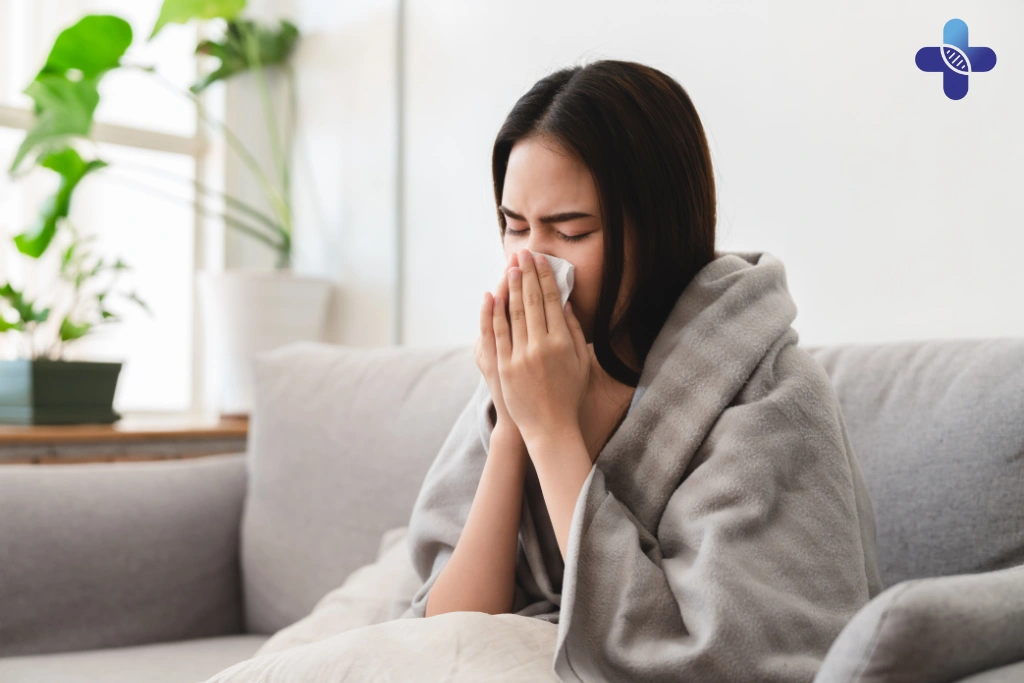
You’ve probably heard the term “Bali Flu” tossed around by fellow travelers or in online forums—often spoken with a mix of dread and confusion. It usually starts with a sore throat, body aches, and an overwhelming sense of fatigue that seems to strike not long after arriving on the island. But despite the ominous nickname, the “Bali Flu” isn’t a unique or dangerous tropical illness. It’s simply a casual way to describe upper respiratory infections that feel worse than usual due to the physical toll of travel, jet lag, and Bali’s hot, humid climate.
At Life Everyouth Bali, we’ve seen countless visitors walk into our Medical Clinic in Bali feeling unsure about their symptoms and worried they’ve picked up something serious. In most cases, the cause is common and treatable—but it’s the setting and circumstances that intensify it. As a leading Bali Medical Clinic, our goal is to help you understand what your body is experiencing, offer trusted medical guidance, and provide fast, effective treatment options so you can recover quickly and enjoy the rest of your holiday.
The Medical Truth: Defining the “Bali Flu”
Despite its ominous nickname, the “Bali Flu” is not a medically recognized condition. It’s a term popular among travelers to describe a cluster of flu-like symptoms that seem to appear shortly after arriving in Bali. These symptoms often include a sore throat, nasal congestion, cough, mild fever, and an overwhelming sense of fatigue. In most cases, this is simply a standard upper respiratory tract infection (URTI)—something your body may have encountered before, but under very different conditions.
What makes the “Bali Flu” feel so much worse is not the virus itself, but the situation in which it occurs. Long flights, disrupted sleep, jet lag, dehydration, and exposure to unfamiliar pathogens all combine to weaken your immune system. That’s why symptoms that might be mild back home can feel much more intense when you’re on holiday. At Life Everyouth, a trusted Medical Clinic in Bali, we frequently help travelers who feel blindsided by how quickly their energy drops after arrival.
As a full-service Bali Medical Clinic, Life Everyouth Bali understands how frustrating it is to fall ill just when you’re supposed to be relaxing. But the good news is that this isn’t something mysterious or unmanageable. With the right guidance and support—starting with rest, hydration, and targeted care—you can bounce back fast and reclaim your holiday.
Common Symptoms You’re Probably Feeling

If you’re in Bali and feeling strangely ill—tired, sore, congested—it’s likely you’re experiencing what travelers often call the “Bali Flu.” At Life Everyouth Bali, we frequently treat patients at our Medical Clinic in Bali who describe the same group of symptoms. Below are the most common ones, explained in depth so you can better understand what’s happening in your body.
Sore throat or irritated sinuses
This is usually the first sign something’s wrong. After long flights in dry airplane cabins, your throat and nasal passages become vulnerable. Combine that with exposure to new airborne particles, allergens, and humidity in Bali, and you may find yourself with a scratchy throat or pressure behind your eyes. At Life Everyouth, a trusted Bali Medical Clinic, this is one of the most frequent early complaints we hear—and we always check it carefully to rule out bacterial infections or signs of something more serious.
Runny or stuffy nose
Many travelers don’t expect congestion in the tropics, but a blocked or runny nose is a hallmark of upper respiratory infection. The sudden climate change, use of air conditioning, and possible pollen or pollution exposure in Bali can make your nasal passages inflamed. Patients often report difficulty breathing comfortably at night, making sleep more difficult and delaying recovery. At Life Everyouth Bali, our Medical Clinic Bali team provides supportive treatments to reduce inflammation and restore comfort quickly.
Dry cough
Coughing can feel relentless when you’re already tired, especially if it’s dry and unproductive. It may start as a tickle in the throat and evolve into an exhausting, persistent cough—especially at night or in air-conditioned spaces. This often results from post-nasal drip or direct viral irritation. We see this daily at Life Everyouth, a leading Medical Clinic in Bali, where we treat it using soothing, targeted therapies that don’t suppress the immune system but help relieve discomfort.
Mild to moderate fever
Fever is your body’s way of fighting off infection—but in Bali’s tropical heat, even a low-grade fever can feel unbearable. You might experience intense sweating, shivering in air-conditioned rooms, or waves of weakness. At Life Everyouth Bali, we take every fever seriously. Our clinicians at this trusted Bali Medical Clinic will evaluate whether it’s a typical flu or something that requires testing for tropical illnesses like dengue, especially if it doesn’t improve in 48–72 hours.
Body aches or joint pain
This flu symptom can be the most frustrating. Generalized body pain, muscle soreness, or deep joint aches might make walking, eating, or even resting feel uncomfortable. In the context of the “Bali Flu,” this usually signals your immune system working overtime. However, dehydration, poor sleep, and overexposure to sun can make it worse. Our team at Life Everyouth, an experienced Medical Clinic Bali, will assess whether pain relief and IV support are needed to reduce inflammation and accelerate healing.
Extreme fatigue and mental fog
Perhaps the most overwhelming symptom of all, this type of fatigue goes beyond tiredness. Patients describe feeling “drained,” “foggy,” or “like I can’t get out of bed.” It’s your body’s cry for recovery, worsened by poor hydration, time zone disruption, and nutritional depletion. At Life Everyouth Bali, many visitors to our Medical Clinic in Bali report that IV Drip Therapy—especially with Vitamin C and Zinc—provides rapid relief from exhaustion and helps them feel clear-headed and functional within hours.
If you’re experiencing ongoing flu-like discomfort during your trip, you may want to read our full guide on Bali flu symptoms for travelers to better understand the warning signs and recovery tips.
Why Does a Simple Cold Feel So Much Worse in Bali?
Many travelers are surprised by how quickly their energy drops once flu-like symptoms begin in Bali. A cold that feels mild back home can feel far more intense here due to long-haul flights, time zone changes, and disrupted sleep that weaken the immune system before you even arrive. By the time you land in Bali, your body is already under stress, making it more vulnerable to infections it hasn’t encountered before.
The tropical climate then adds another layer of strain. Heat and humidity increase fluid loss through sweating, often leading to dehydration that worsens headaches, fatigue, and overall weakness. Sun exposure, irregular meals, and alcohol can further burden the body, slowing recovery. At Life Everyouth Bali, our Bali Medical Clinic frequently treats this pattern by focusing on restoring hydration and immune balance, helping patients recover faster and get back to enjoying their time in Bali.
Your Action Plan for a Faster Recovery

Feeling unwell in a tropical paradise can be disorienting—but recovery is possible, and it can happen faster than you think. At Life Everyouth Bali, we’ve helped countless travelers recover from the so-called “Bali Flu” with a combination of rest, hydration, and clinical-grade immune support. Here’s a practical, two-step approach to feeling better quickly.
The Basics You Can Do Now
First, give your body a chance to fight back. The simplest steps—though often overlooked—lay the foundation for recovery. Rest is non-negotiable; even if you’re on holiday, pushing through symptoms will only prolong your illness. Stay in your hotel or villa, avoid overexertion, and try to sleep longer than usual to allow your immune system to work uninterrupted.
Hydration is equally important. The tropical heat and fever increase fluid loss, so you need to drink more water than you think. We recommend adding electrolytes or drinking coconut water to restore balance. Over-the-counter medications like paracetamol can help reduce fever and ease body aches. At Life Everyouth, a well-equipped Medical Clinic in Bali, we often advise patients to consume gentle, healing foods—such as soto ayam, toast, or banana—to provide energy without irritating the stomach.
Herbal teas with ginger, turmeric, or lemon can also soothe inflammation and support natural immunity. Our team at Life Everyouth Bali, a trusted Bali Medical Clinic, regularly reminds visitors that proper nutrition and rest are often more powerful than medication alone in mild viral illnesses. Focus on healing first; activities and excursions can wait.
The Proactive Solution: Directly Supporting Your Immune System
If your symptoms linger or you want to speed up recovery while staying in Sanur, IV Drip Sanur Bali is an effective next step to support your body. IV Drip Therapy delivers fluids, vitamins, and minerals directly into the bloodstream, making it ideal when nausea, poor appetite, or fatigue limit the absorption of oral supplements. This targeted approach helps restore hydration and energy more efficiently, especially during travel-related illness.
At Life Everyouth Bali, our Flu Relief IV Drip is designed specifically for travelers experiencing immune drops in Bali. It combines high-dose Vitamin C, Zinc, and balanced electrolytes to reduce symptom duration and support immune function. As a trusted Medical Clinic in Bali, Life Everyouth Bali also offers in-hotel and in-villa IV Drip services around Sanur, allowing you to recover safely and comfortably without disrupting your holiday. Book your IV Drip Sanur Bali today and get back to enjoying your time on the island.
Conclusion What is the ‘Bali Flu’? A Doctor Explains Symptoms & Fast Relief

The “Bali Flu” might not be an official diagnosis, but the fatigue, aches, and foggy-headedness it brings are undeniably real. If you’re feeling worn down while visiting Bali, know that your symptoms are common and manageable. With proper rest, hydration, and timely immune support, recovery can begin almost immediately—especially when guided by experienced clinicians at Life Everyouth, a leading Medical Clinic in Bali.
You don’t have to push through your holiday while feeling sick. Whether you’re staying in a private villa or hotel, Life Everyouth Bali offers mobile care and IV Drip Therapy designed to help you bounce back faster. As a trusted Bali Medical Clinic for tourists and expats, we’re here to restore your health, energy, and peace of mind—so you can get back to enjoying Bali the way it was meant to be.
Frequently Asked Questions (FAQ) What is the ‘Bali Flu’? A Doctor Explains Symptoms & Fast Relief
How long does the “Bali Flu” typically last?
The duration of the Bali Flu is similar to that of the common cold—usually between 3 to 7 days. However, how long it lingers depends on your immune health, hydration, and rest. Many travelers worsen their recovery by staying active or being under the sun too soon. At Life Everyouth Bali, our team at the Medical Clinic in Bali often helps patients reduce their downtime through IV Drip Therapy, allowing faster rehydration and energy restoration from day one.
Is the Bali Flu contagious?
Yes. It’s caused by viruses that spread through respiratory droplets when someone coughs, sneezes, or talks closely. Because many tourists gather in crowded places—like airport lines, beach clubs, or tours—exposure risk is high. That’s why Life Everyouth, a highly visited Bali Medical Clinic, advises practicing good hygiene, avoiding close contact with others, and wearing a mask if you’re coughing.
What is the difference between Bali Flu and Dengue Fever?
While both may begin with fatigue and fever, Dengue Fever escalates differently. Dengue is marked by severe headaches (especially behind the eyes), intense joint pain, and often a high, unrelenting fever. The “Bali Flu” rarely causes such extreme symptoms. At Life Everyouth, our Medical Clinic Bali team performs clinical assessments and tests when needed to rule out dengue, ensuring you get the right treatment.
Can I take antibiotics for the Bali Flu?
No—antibiotics target bacteria, and the Bali Flu is viral. Taking antibiotics unnecessarily can harm your gut flora and lead to antibiotic resistance. At Life Everyouth Bali, our doctors at the Medical Clinic in Bali evaluate your condition and will only prescribe antibiotics if there’s evidence of a secondary bacterial infection, like strep throat or bacterial sinusitis.
Is it safe to go to the beach if I’m sick?
While tempting, it’s not a good idea. Sun exposure, dehydration, and overexertion will stress your already tired immune system. Swimming in the ocean can also be risky if you have chills, open sinuses, or body aches. At Life Everyouth, your trusted Bali Medical Clinic, we often advise patients to wait at least 48 hours after symptoms subside before returning to physical activities.
What should I eat and drink while recovering?
Your goal should be gentle nourishment. Clear soups like soto ayam, plain toast, bananas, or oatmeal are easy on digestion. Drink water frequently, and consider adding electrolytes or sipping on warm ginger or lemon tea. Avoid spicy, oily, or dairy-rich foods that may irritate the throat or gut. At Life Everyouth Bali, our Medical Clinic Bali team encourages nutrient-rich but simple meals to give your body fuel without stress.
How does an IV Drip help with the flu?
An IV Drip doesn’t “cure” the virus, but it helps your body fight better. It rehydrates you faster than oral fluids and delivers high-dose nutrients like Vitamin C and Zinc directly into your bloodstream—essential elements for immune defense. At Life Everyouth, a professional Medical Clinic in Bali, our Flu Relief IV is formulated to help reduce symptoms and speed up recovery safely and effectively.
Is the “Bali Flu” the same as “Bali Belly”?
No. “Bali Flu” refers to respiratory symptoms like cough, sore throat, and fatigue. “Bali Belly” is gastrointestinal—diarrhea, nausea, vomiting. They’re caused by different pathogens and require different treatment approaches. Our team at Life Everyouth Bali, the most recommended Bali Medical Clinic for tourists, can help identify which one you’re experiencing through symptom analysis and testing if needed.
Can I fly home if I have the Bali Flu?
Flying with Bali Flu is possible but not ideal. Cabin pressure and dry air can worsen congestion and fatigue. If you have a fever, airlines may even deny boarding for public health reasons. At Life Everyouth, a reliable Medical Clinic in Bali, we recommend getting assessed before flying, especially if you have ear pain, sinus pressure, or breathing difficulties.
Flu or hangover—how do I know the difference?
It can be tricky, especially in Bali where social drinking is common. The key difference lies in the presence of respiratory symptoms: a hangover usually causes headache, nausea, or fatigue, but not sore throat, coughing, or fever. If you wake up with a dry cough or swollen glands, it’s likely the flu. At Life Everyouth Bali, a trusted Medical Clinic Bali, we help travelers distinguish between the two—and offer treatment for both.
