
A refreshing iced drink is part of the Bali holiday experience, but many travelers are still unsure about ice safety Bali and how it connects to common stomach issues like Bali Belly in Bali. Before you order that smoothie, iced coffee, or beachside cocktail, it’s worth understanding how ice is made, where it comes from, and what you can do to stay healthy while exploring the island.
If you’re curious about other triggers for stomach discomfort in Bali, you may enjoy our previous discussion exploring how spicy food in Bali can impact your digestion.
Is Ice in Bali Safe? What Every Traveler Needs to Know Before Ordering That Drink
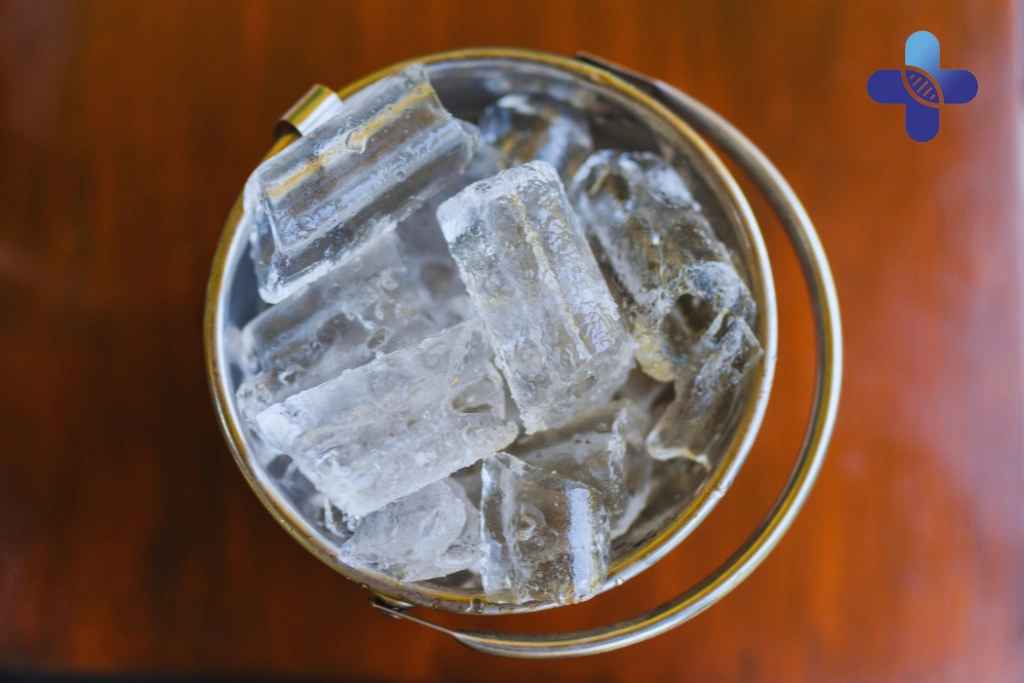
A cold drink under the Bali sun sounds perfect — but have you ever wondered if the ice in your glass is actually safe? Many travelers arrive in paradise and immediately order a smoothie, iced latte, or coconut cocktail without thinking twice about where the ice comes from.
At Life Everyouth Bali, our medical team often meets travelers who didn’t realize ice can play a big role in digestive health while exploring Bali.
Where Does Ice in Bali Come From?
Most large cafés, hotels, and reputable restaurants in Bali use ice from licensed factories. This type of ice is produced using filtered, treated water, making it much safer to consume and directly related to ice safety Bali. However, smaller stalls, beach shacks, or warung may use ice made from untreated tap water, which isn’t recommended due to Bali water hygiene concerns.
Factory-made ice usually looks clean and uniform. Meanwhile, homemade ice can come from unfiltered water, increasing the risk of contamination. At Life Everyouth Bali, we always advise choosing trusted venues when ordering cold drinks to avoid unnecessary stomach issues.
What Happens If You Drink Contaminated Ice
If ice is made from untreated or contaminated water, bacteria and viruses can enter your digestive system. Mild to moderate symptoms may appear within hours.
Travelers may experience:
- Stomach cramps
- Mild nausea
- Loose stools or diarrhea
- Bloating or discomfort
In our Bali medical clinic, Life Everyouth Bali frequently assists tourists dealing with dehydration or stomach upset after consuming drinks with low-quality ice. This is why understanding Bali healthcare basics can make your stay much smoother.
How to Identify Safe Ice in Bali
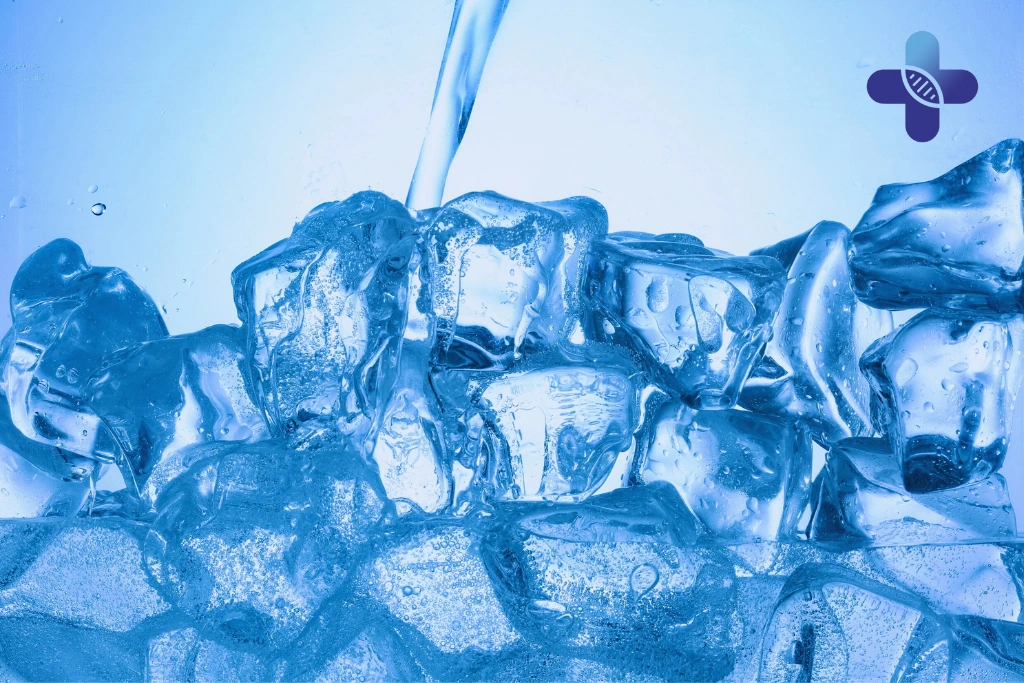
The good news: it’s easy to spot safer ice when you know what to look for.
Here are practical tips you can use immediately:
1. Choose Ice with a Hole in the Middle
Cylinder-shaped ice with a hole is typically factory-made and indicates better ice safety Bali standards.
2. Avoid Crushed or Shaved Ice
Crushed ice often comes from irregular blocks that may not be clean.
3. Check the Venue’s Reputation
If you’re visiting cafés, restaurants, or bars with solid hygiene reviews, their drinking ice Bali supply is usually reliable.
At Life Everyouth Bali, we always encourage travelers to stay informed, not fearful.
What to Do If You Feel Unwell After Drinking in Bali
If you start to feel unwell after drinking iced beverages, pay attention to signs like:
- Persistent bloating
- Restlessness or fatigue
- Nausea
- Mild diarrhea
- Dehydration
If symptoms begin to affect your comfort, don’t wait too long.
Visit Life Everyouth Bali in Sanur or Jimbaran for fast, gentle care.
➡️ Our Bali Belly IV Drip helps restore electrolytes, fluids, and energy quickly, helping you bounce back and enjoy your trip.
Conclusion Ice Safety Bali: Is Ice Safe to Drink for Travelers?
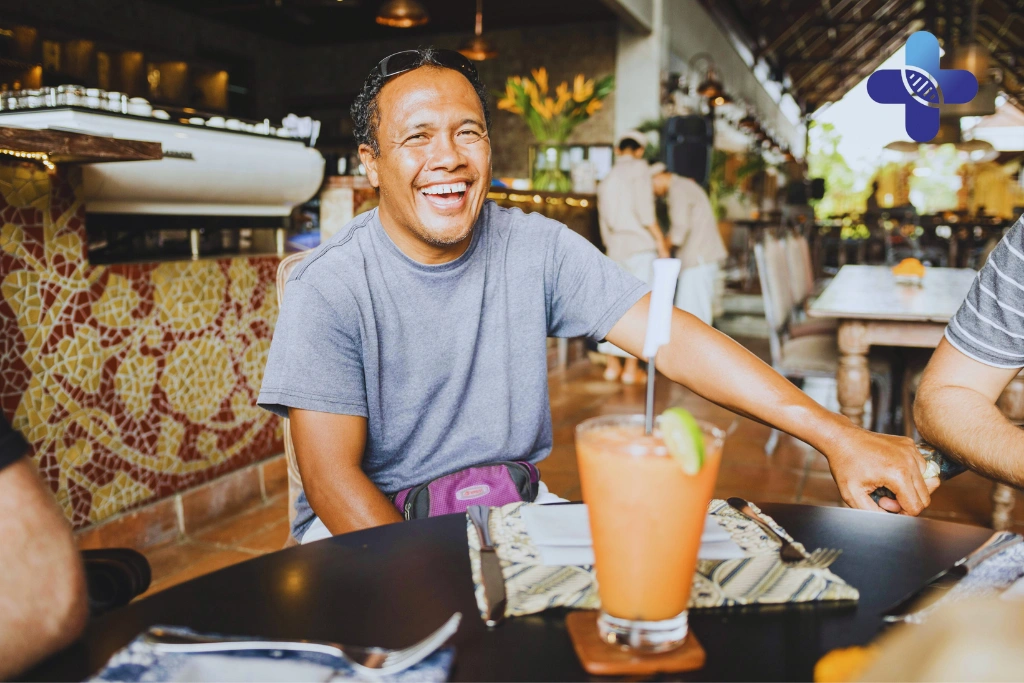
You can still enjoy your favorite iced coffee, smoothies, or cocktails in Bali as long as you stay aware of ice safety Bali and choose reputable places with good hygiene. By understanding how to spot safe ice and paying attention to your body, you can keep your holiday enjoyable and stress-free. And if you ever feel unwell, Life Everyouth Bali—a trusted medical clinic in Bali—is always ready to help you recover quickly so you can get back to exploring paradise.
And when you’re ready, continue with our next guide to learn how the Bali climate affects digestion and what travelers can do to stay comfortable.
Frequently Asked Question (FAQ) Ice Safety Bali: Is Ice Safe to Drink for Travelers?
Is ice in Bali safe to drink?
Yes, most hotels and reputable restaurants in Bali use factory-made, safe ice. Still, it’s best to avoid ice from small stalls with unclear hygiene standards.
What kind of ice should I look for?
Choose cylinder-shaped ice with a hole in the middle, as it usually comes from certified suppliers. This type of ice indicates better production quality and safer consumption.
Can ice in Bali cause stomach problems?
Yes, ice made from untreated tap water can introduce bacteria into your digestive system. This may lead to mild discomfort or temporary digestive issues.
How can I tell if a café uses safe ice?
You can ask if they use factory-made ice or ice from filtered water. Reputable cafés and restaurants are usually transparent about their hygiene standards.
What are the symptoms of unsafe ice consumption?
Common symptoms include mild nausea, stomach cramps, and bloating. Some travelers may also experience temporary diarrhea.
Can children drink iced drinks in Bali?
Yes, children can safely enjoy iced drinks from reputable restaurants and hotels. However, avoid ice from small vendors where water quality isn’t guaranteed.
What should I do if I get sick after drinking iced drinks?
Start by hydrating, resting, and monitoring your symptoms. Visit Life Everyouth Bali if discomfort persists or you feel dehydrated.
How can I rehydrate quickly in Bali?
The Bali Belly IV Drip at Life Everyouth Bali is a fast and safe way to restore hydration. It helps rebalance fluids and electrolytes efficiently.
Where can I find reliable healthcare in Bali?
Life Everyouth Bali in Sanur and Jimbaran offers modern, traveler-friendly medical services. Our team is trained to handle common tourist illnesses, including Bali Belly.
Should I avoid ice completely in Bali?
Not necessarily—just choose venues with good hygiene practices. Staying informed about ice safety helps you enjoy chilled drinks with confidence.
