
Exploring local flavors is one of the highlights of any trip, but many travelers still wonder about Eating Safely in Bali and how to avoid common issues like Bali Belly in Bali. With the right knowledge and a few mindful habits, you can enjoy Bali’s vibrant food scene confidently and comfortably. At Life Everyouth Bali, we encourage travelers to experience authentic warungs and cafés while staying informed about simple hygiene practices that help keep your stomach happy throughout your journey.
Don’t forget to check out our previous guide on hotel breakfast in Bali to help you stay informed before exploring more local dining options.
Eating in Bali’s Warungs and Cafés: How to Enjoy Local Food Safely
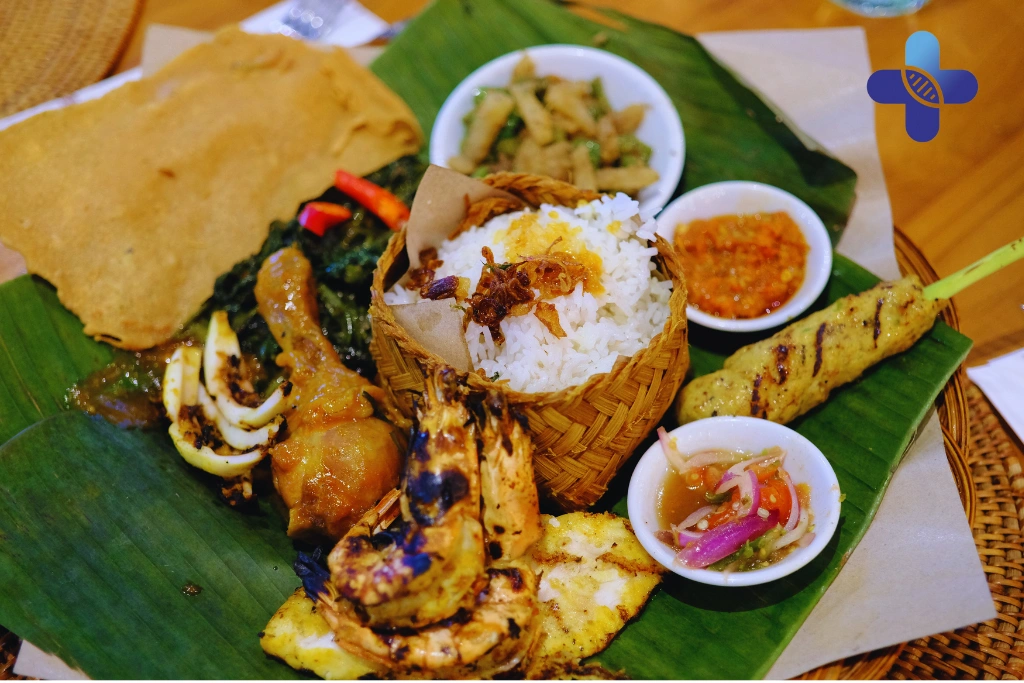
Trying food from Bali’s warungs and cafés is one of the best ways to experience the island’s culture. From smoky satay to fresh local soups, every bite carries a story.
And with the right habits, you can enjoy these flavors safely — even if it’s your first time traveling in Southeast Asia. At Life Everyouth Bali, we meet many travelers who want to explore local cuisine confidently and without stomach issues.
Why You Shouldn’t Be Afraid of Local Food in Bali
Many visitors worry about getting sick from local food, but Bali’s dining scene has evolved. Today, countless warungs and cafés maintain solid hygiene standards, especially in popular areas like Sanur and Jimbaran.
With mindful choices, safe eating in Bali is absolutely possible — and deeply rewarding.
If you ever need personalized guidance or reassurance, Life Everyouth Bali is a trusted part of Bali healthcare, supporting both travelers and expats with compassionate care.
Common Hygiene Risks You Should Be Aware Of
Even in generally safe destinations like Bali, minor hygiene slips can upset a traveler’s stomach. These aren’t unique to Indonesia — they can happen anywhere crowded or humid.
Some common issues to watch out for in relation to warung hygiene in Bali include:
- Raw vegetables washed with tap water
- Ice made from unfiltered water
- Condiments left uncovered on tables
- Plates or cutlery that feel damp after washing
A small oversight — like ice from untreated water — can lead to discomfort. But with simple awareness, you can avoid most risks easily.
How to Choose a Safe Warung or Café in Bali
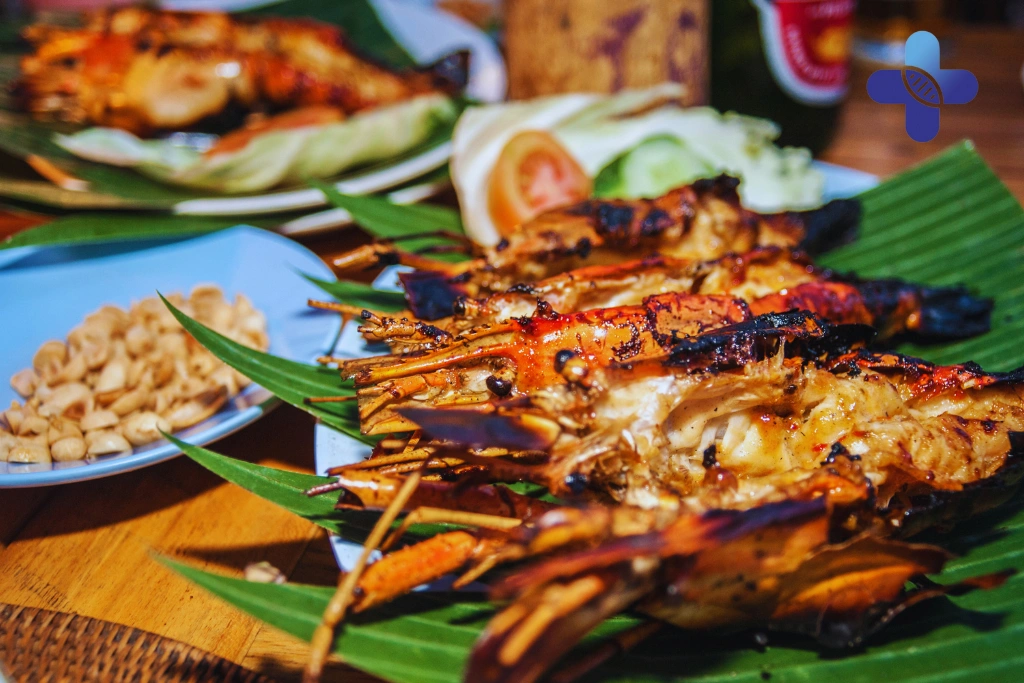
You don’t need to be a food safety expert to choose the right place. This simple checklist from our travel food guide Bali can help you eat confidently:
Choose busy places
High turnover means food is cooked fresh and not sitting for long.
Prefer places that cook in front of you
Warungs with open kitchens often show their cleanliness clearly.
Be cautious with ice and open sauces
Ask if the ice is made from filtered or bottled water.
Check the cleanliness of utensils
Dry plates and clean glasses are good indicators of overall hygiene.
Observe staff hygiene
If the cooking area looks tidy, chances are the food is handled properly too.
At Life Everyouth Bali, we see many travelers stay perfectly healthy simply by following these steps.
Smart Eating Habits While Traveling
Beyond choosing the right spot, a few lifestyle habits can make safe eating in Bali even easier:
- Don’t rush your meals
- Avoid eating very late at night
- Drink bottled or filtered water
- Try mild probiotics before exploring street food
- Start with cooked dishes before trying raw or spicy items
These simple habits help keep your digestion steady while adjusting to new flavors.
What to Do If You Feel Sick After Eating Local Food
Mild stomach discomfort can happen when your body adjusts to new spices, temperature, or ingredients. Symptoms like nausea, bloating, weakness, or mild diarrhea may appear within 6–24 hours.
If you begin to feel unwell, stay hydrated, rest, and pay attention to your energy levels.
And if symptoms worsen or you feel dehydrated, Life Everyouth Bali is ready to help.
Our Bali Belly IV Drip is designed to restore hydration, rebalance electrolytes, and help travelers recover quickly.
This service is trusted by tourists and expats needing fast relief after eating something that didn’t agree with them.
Conclusion Safe Eating in Bali: Traveler’s Guide to Warungs & Cafés
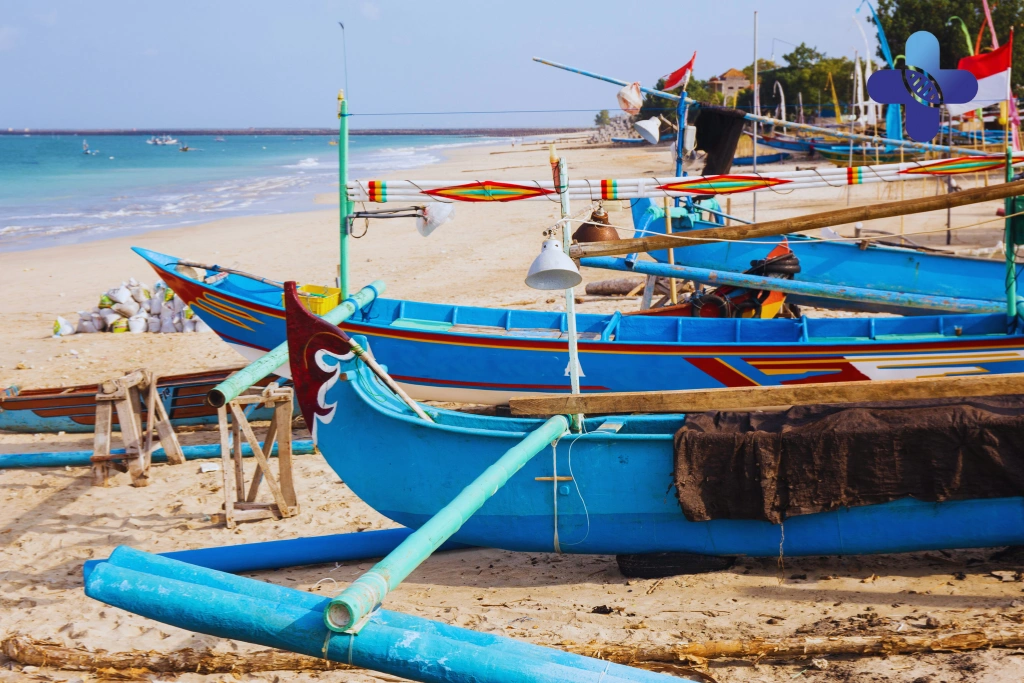
Bali’s local cuisine is vibrant, comforting, and full of character. With a few mindful choices, you can savor it safely from your first day until the end of your trip.
And if your stomach ever needs extra care, Life Everyouth Bali is here for you — offering professional support at a trusted medical clinic in Bali, so you can enjoy every meal with confidence.
Be sure to read our next guide on the early signs of Bali Belly so you can recognize symptoms quickly and stay healthy during your trip.
Frequently Asked Question (FAQ) Safe Eating in Bali: Traveler’s Guide to Warungs & Cafés
Is it safe to eat at local warungs in Bali?
Yes, it is generally safe as long as you choose busy, clean warungs where food is cooked fresh. Many travelers enjoy local dishes without problems when they follow basic hygiene awareness.
What’s the safest food to eat in Bali?
Freshly cooked dishes like rice meals, soups, and grilled meats are usually the safest choices. These foods are heated thoroughly, reducing the risk of contamination.
Should I avoid raw vegetables in Bali?
Yes, avoid raw vegetables unless you know they’re washed with filtered or bottled water. This helps prevent exposure to bacteria that can irritate sensitive stomachs.
Can ice in drinks cause stomach problems?
Yes, especially if the ice is made from untreated tap water. Always ask whether the ice is made from filtered or purified water before ordering your drink.
What should I do if I get stomach cramps after eating?
Start by resting, drinking plenty of water, and eating simple foods. If your symptoms persist, visit Life Everyouth Bali for proper assessment and medical support.
Are modern cafés in Bali safer than warungs?
Not always, because good hygiene depends on the individual establishment, not the style of restaurant. Always observe how food is prepared and how clean the environment looks.
Is spicy food safe to eat in Bali?
Yes, spicy food is typically safe, but it may irritate your stomach if you’re not used to it. Start with mild dishes and increase the spice level gradually.
Can local food cause dehydration?
Yes, especially if the food triggers mild diarrhea or digestive upset. This can lead to fluid loss, making hydration extremely important while traveling.
How can I rehydrate quickly after stomach issues?
The Bali Belly IV Drip at Life Everyouth Bali is designed to restore fluids and electrolytes efficiently. It’s a fast, reliable option for travelers who need quick recovery.
Where can I find medical help in Bali?
You can visit Life Everyouth Bali, trusted by tourists and expats for professional healthcare. Our team provides supportive, modern treatment for digestion issues and overall wellness.
