
Many travelers notice that small cuts painful in Bali often start as insignificant marks but become sore, tender, or slightly swollen after a day or two. This experience is commonly discussed as part of common wounds in Bali, where heat, humidity, and daily movement influence how the body reacts to even minor skin breaks.
You can read our previous article on minor skin wounds in Bali to better understand how small injuries commonly change during everyday travel.
Why Small Cuts Become Painful or Swollen Faster in Bali’s Climate
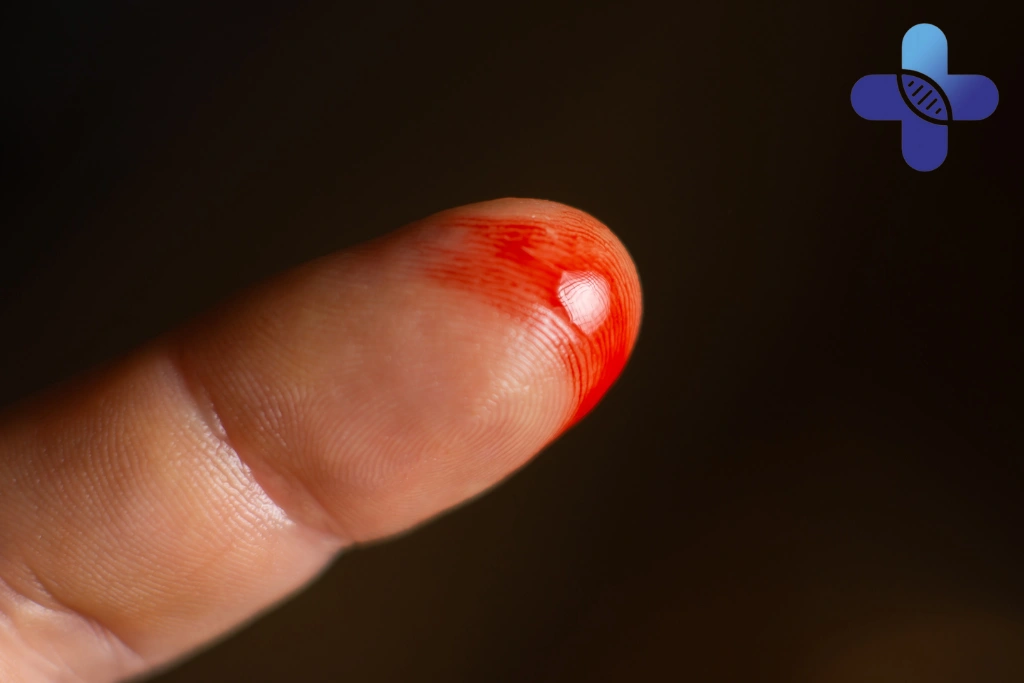
For visitors spending time in Bali, it’s not unusual for small cuts painful in Bali to feel more noticeable than expected. Warm temperatures, moist air, and an active travel routine can all amplify normal inflammatory responses. Clinics such as a Medical Clinic in Bali often explain that these sensations are usually environmental rather than a sign of serious injury.
Understanding why this happens helps travelers stay calm and make sense of what their body is doing.
What Travelers Usually Mean by “Painful or Swollen”
When people describe small cuts painful in Bali, they are often referring to mild tenderness when pressing the area, a warm sensation around the skin, or light swelling that wasn’t present at first. These sensations reflect how the body sends blood and fluid to protect and repair injured skin.
According to explanations commonly shared at Life Everyouth Bali, this type of discomfort is part of the healing process and does not automatically mean infection, especially in tropical conditions.
How Heat, Humidity, and Activity Affect Inflammation
Heat and humidity strongly influence how small cuts painful in Bali feel during travel. Warm weather increases blood flow, while humidity slows evaporation, allowing fluid to remain in surrounding tissues.
Increased Circulation in Warm Weather
Higher temperatures naturally bring more blood to the skin, which can make even a small cut feel throbbing or tender. A Medical Clinic Bali may describe this as a normal inflammatory response rather than a problem.
Daily Movement and Fluid Buildup
Walking, cycling, or standing for long periods—common in areas like Sanur—can encourage fluid to pool around minor wounds. This can make swelling feel more noticeable by the end of the day.
Why This Can Happen Even Without Infection
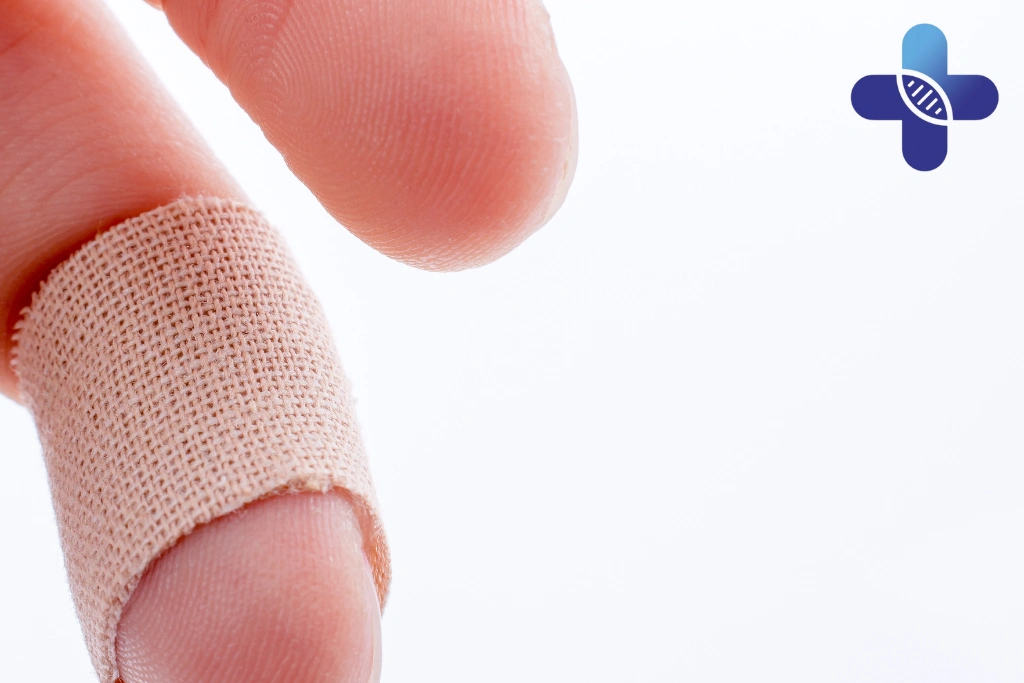
Many travelers worry that small cuts painful in Bali automatically mean infection. In reality, pain and swelling often occur without any infection at all.
In tropical climates, the skin works harder to regulate temperature and moisture. Providers at Life Everyouth Bali often reassure travelers that tenderness and swelling can reflect adaptation to heat and activity, not bacterial involvement.
Swelling and Pain That Are Often Still Normal
For most small cuts painful in Bali, mild swelling and soreness can still be considered normal. This is especially true when the discomfort:
- Appears gradually
- Does not limit movement significantly
- Improves with rest or elevation
A Medical Clinic in Bali may explain that these signs usually settle as the body adjusts and the skin begins to repair itself.
When Pain or Swelling Is Worth Monitoring More Closely
Observation becomes helpful when small cuts painful in Bali change rather than stabilize. Paying attention does not mean panicking—it simply helps travelers recognize patterns.
It may be worth closer monitoring if you notice:
- Pain increasing after several days
- Swelling spreading beyond the wound area
- Warmth combined with reduced comfort when moving
At this stage, some travelers—whether staying in walkable Sanur or resort-style areas like Jimbaran—choose to ask for clarification rather than wait and guess.
If pain or swelling around a small cut feels uncertain, calm guidance through wound care in bali can help clarify what’s normal and what deserves closer observation—without urgency or pressure.
Conclusion – Small Cuts Painful in Bali: Why Swelling Happens Faster

Small cuts often become painful or swollen faster in Bali due to heat, humidity, and an active outdoor lifestyle. In many cases, this reflects a normal healing response rather than a complication. Observing how symptoms evolve helps travelers make informed decisions while continuing to enjoy their time in Bali.
You may also want to read our next article on early wound warning signs in Bali, which explains when subtle changes in a wound are worth closer attention.
Frequently Asked Questions (FAQ) – Small Cuts Painful in Bali: Why Swelling Happens Faster
Is it normal for small cuts to feel more painful in Bali?
Yes. Small cuts painful in Bali are often linked to increased blood flow and moisture caused by tropical heat. This can heighten sensitivity without indicating infection.
Why does heat increase swelling around wounds?
Heat widens blood vessels, allowing more fluid to reach the injured area. A Medical Clinic in Bali may explain that this process supports healing but can temporarily increase swelling.
Does walking and activity worsen wound pain?
Activity can make small cuts painful in Bali feel more noticeable, especially after long walks. Movement encourages fluid buildup, which may increase tenderness by the end of the day.
How long should mild swelling last?
Mild swelling often improves over several days as the skin begins to heal. Gradual improvement is usually more important than how fast it resolves.
Is swelling always a sign of infection?
No. Swelling is a common inflammatory response. Clinics like Life Everyouth Bali often reassure travelers that infection usually involves worsening symptoms rather than stable or improving swelling.
Can humidity slow the reduction of swelling?
Yes. Humidity keeps tissues moist and can slow fluid reabsorption, making swelling last longer even when healing is progressing.
When should travelers limit activity due to pain?
If pain begins to interfere with walking or daily plans, reducing activity temporarily may help. This allows small cuts painful in Bali to settle more comfortably.
Are elderly travelers more prone to swelling?
Older travelers may notice swelling more easily due to changes in circulation. A Medical Clinic Bali may recommend simple adjustments like rest and elevation.
When is professional advice reasonable for swollen cuts?
Professional guidance can be helpful if swelling spreads, pain increases, or uncertainty persists. Many travelers seek advice for reassurance rather than treatment.
Where can travelers get wound advice in Bali?
Clinics such as Life Everyouth Bali regularly provide calm, practical guidance for travelers who want clarity about small cuts and swelling in a tropical environment.
