
Many people in their 30s, 40s, or early 50s say they feel “older than their age.” Energy drops faster, recovery takes longer, and the body feels less resilient—especially for those maintaining an active lifestyle in Bali. While aging is natural, certain premature aging signs may feel earlier or more pronounced than expected. For individuals trying to understand what these changes mean, exploring reliable health education resources, including a stem cell guide in Bali, can help provide broader context about regenerative health and recovery support.
You may also find it helpful to read our previous article on Chronic Joint Pain in Bali to better understand how persistent joint discomfort can relate to broader regenerative changes in the body.
Signs Your Body Is Aging Faster Than It Should
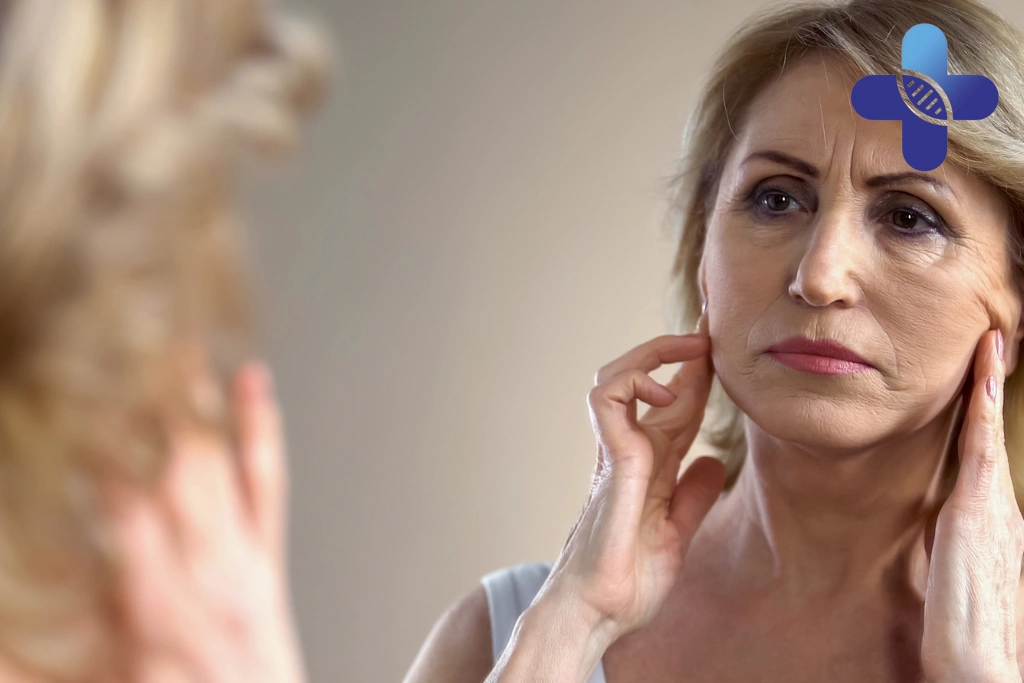
Premature aging signs are not always about wrinkles or visible changes. More often, they appear as shifts in energy, stamina, and how efficiently your body recovers from daily stress or physical activity. These subtle signals can reflect how well your internal repair systems are functioning.
Persistent Fatigue That Doesn’t Match Your Activity
It is normal to feel tired after a busy day. However, fatigue that feels disproportionate to your workload may signal deeper imbalance. You may notice:
- Energy dips that do not improve with short rest
- Reduced stamina during exercise
- Feeling drained even after adequate sleep
Chronic fatigue causes can be multifactorial, including stress load, metabolic strain, and early shifts in the cellular aging process. Persistent exhaustion should not be ignored, especially if it begins affecting daily function.
Slower Recovery After Minor Injuries or Exercise
Another common premature aging sign is delayed recovery. Muscle soreness may last longer than it used to, joint stiffness can persist for days, and minor strains seem slower to resolve.
This slower recovery with age is often linked to reduced efficiency in tissue repair and collagen renewal. Over time, the body’s regenerative response becomes less robust, making recovery from even moderate activity feel prolonged.
Increased Low-Grade Inflammation
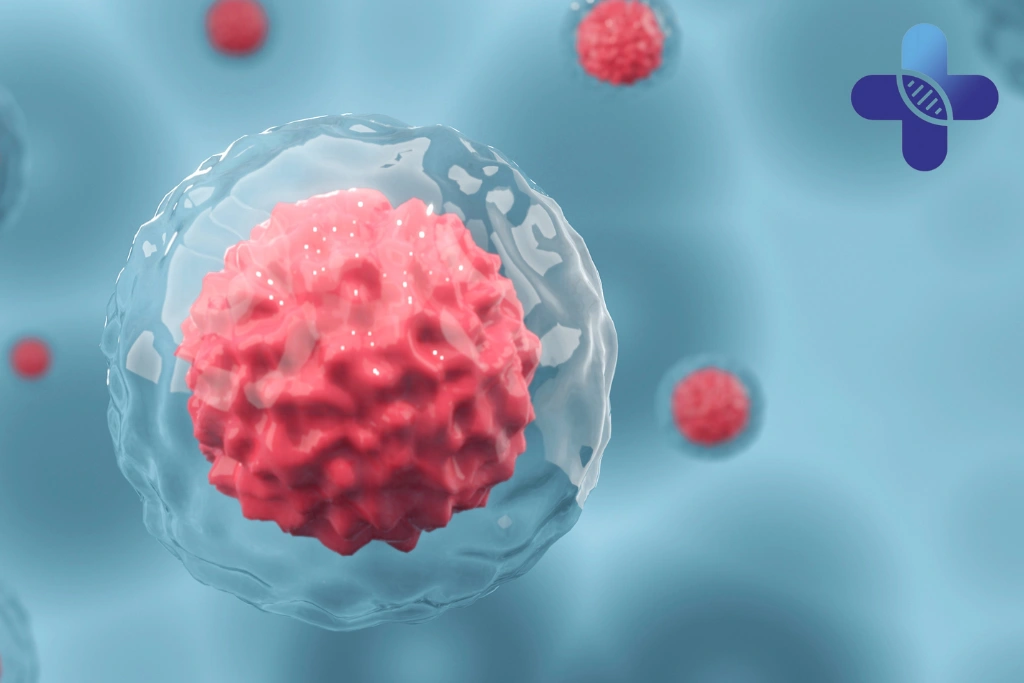
Low-grade inflammation does not always present with dramatic swelling or redness. Instead, it may appear as:
- Mild but persistent joint discomfort
- Digestive irregularities
- Brain fog
- Subtle fluid retention
Inflammation and aging are closely connected. When low-level inflammation becomes chronic, it can influence energy levels, tissue repair, and overall resilience. The goal is not to eliminate inflammation entirely—since it is part of natural healing—but to maintain balance.
Changes in Skin and Collagen Support
Skin elasticity and firmness depend on collagen production and cellular turnover. As collagen decline gradually occurs, skin may appear thinner or slower to recover from minor irritation.
These changes are not purely cosmetic. Collagen also supports connective tissue, joints, and structural stability throughout the body. Visible signs on the skin can sometimes mirror internal shifts in regenerative capacity.
Why These Changes Happen
Several biological factors contribute to early aging symptoms:
- Gradual decline in cellular turnover
- Reduced mitochondrial efficiency (energy production at the cellular level)
- Hormonal shifts over time
- Increased low-grade inflammatory activity
These changes are part of the natural aging trajectory. However, lifestyle stress, poor sleep, nutritional imbalance, and chronic inflammation can accelerate their impact.
Understanding Regenerative Health
Regenerative health focuses on supporting the body’s own repair mechanisms rather than only suppressing symptoms. This includes optimizing sleep, nutrition, metabolic balance, and stress regulation as foundational steps.
In some cases, structured medical evaluation may explore whether fatigue, inflammation, or slow recovery reflect deeper regenerative decline. At a Medical Clinic Bali that evaluates regenerative health concerns, consultation typically focuses on identifying whether lifestyle adjustments are sufficient or whether additional regenerative approaches may be considered.
Emerging areas such as regenerative medicine Bali are being studied for their role in supporting tissue repair and cellular signaling. These approaches are not designed to reverse aging, but to better understand how natural repair mechanisms can be supported under appropriate medical supervision.
If you are noticing signs that may suggest premature aging and would like to understand whether regenerative approaches could support your overall recovery and tissue health, you can explore more information about stem cell therapy in Bali to learn how structured consultation may help clarify your options.
Conclusion – Premature Aging Signs Bali: Early Symptoms to Notice
Aging is a natural biological process, but early or pronounced decline may signal imbalance. Persistent fatigue, slow recovery, and low-grade inflammation are often interconnected.
Lifestyle remains the foundation of healthy aging. Regenerative health emphasizes supporting natural repair systems rather than chasing quick fixes. When symptoms persist, structured evaluation can help clarify whether changes reflect normal aging or something that may benefit from further medical assessment.
For further insight, continue with our next article on Slow Healing After 40, which explores why recovery naturally becomes more gradual over time.
Frequently Asked Question (FAQ) – Premature Aging Signs Bali: Early Symptoms to Notice
What are common premature aging signs?
Common premature aging signs include persistent fatigue, slower recovery after exercise, mild joint stiffness, reduced stamina, and changes in skin elasticity. These symptoms are often subtle and develop gradually over time.
Can fatigue be related to early aging?
Yes, fatigue can be linked to changes in energy metabolism and cellular efficiency. However, fatigue also has many other causes, so proper evaluation is important before drawing conclusions.
Is slow recovery normal after 30?
Some gradual slowing of recovery can begin in the 30s and 40s. The key difference is whether recovery feels significantly longer than before or interferes with daily activity.
Does inflammation increase with age?
Low-grade inflammation may become more common with age. Maintaining balanced nutrition, regular movement, and stress control can help support inflammatory balance.
Can lifestyle reduce early aging symptoms?
Lifestyle plays a major role. Adequate sleep, balanced nutrition, regular physical activity, and stress management can significantly influence how the body ages.
Is premature aging always genetic?
Genetics contribute, but environmental factors and daily habits also strongly affect how aging manifests. Many early aging symptoms are influenced by lifestyle patterns.
When should I seek medical evaluation?
If fatigue, slow recovery, or inflammation persist despite healthy habits, it may be helpful to seek professional evaluation. Structured consultation can clarify whether symptoms fall within normal variation.
Can regenerative health approaches support aging?
Regenerative health focuses on supporting natural repair mechanisms. It does not promise reversal of aging but aims to optimize how the body maintains balance over time.
Is stem cell therapy only for older adults?
Not necessarily. Eligibility depends on individual condition, medical history, and suitability assessment rather than age alone.
Where can I explore regenerative health options in Bali?
Individuals staying in Bali, including areas like Sanur, may consider structured consultation at facilities such as Life Everyouth Bali to better understand regenerative health and related options.
