
Blood urine or swab STD test in Bali is a common question for travelers who want testing but feel unsure about the process. Understanding how sample types relate to STD testing in Sanur can help people prepare for a clearer medical consultation.
Blood, Urine, or Swab? Types of STD Tests Available for Sanur Patients
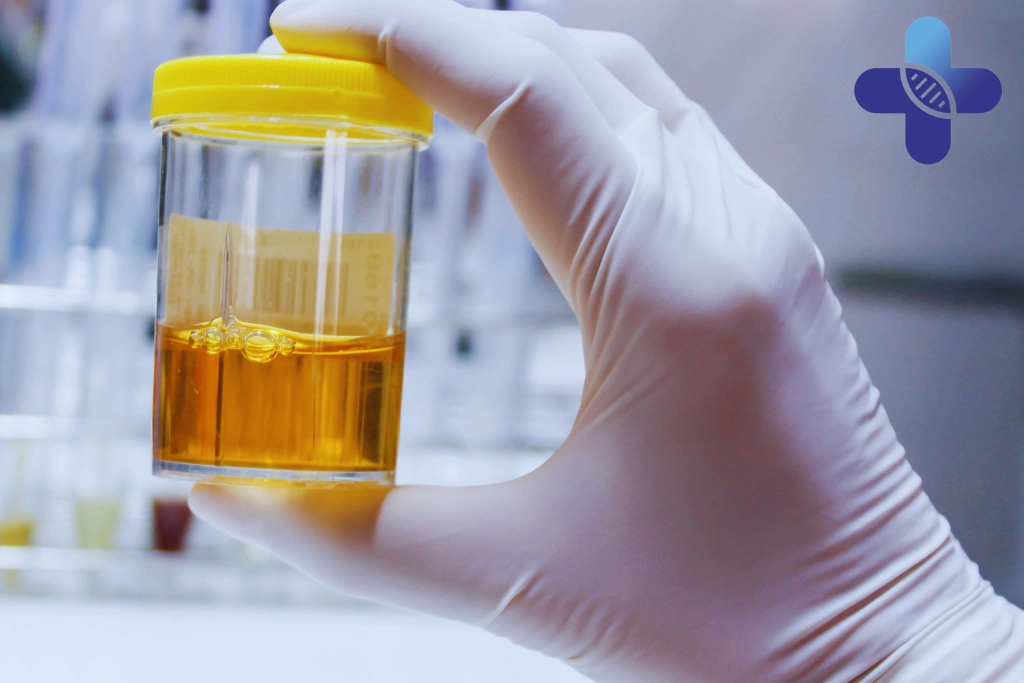
Many people think STD testing is one single test. In reality, the sample used depends on what needs to be checked.
Some concerns may require a urine sample. Others may involve blood testing. In certain situations, a swab may be recommended from the area where symptoms or exposure occurred.
For people staying in Sanur, knowing this before booking can make the process feel less intimidating and help avoid choosing tests based only on anxiety.
Why There Is No Single STD Test for Everything
“STD test” is a broad term. Different infections affect different parts of the body and may require different testing methods.
A urine test does not answer every question. A blood test does not replace every swab. A swab may be useful in one situation but unnecessary in another.
CDC explains that STI testing recommendations vary by infection and risk group. This is why testing should be guided by symptoms, exposure type, timing, and medical consultation rather than one fixed package for everyone.
Common Sample Types Used in STD Testing
The sample type depends on the concern. A doctor may recommend one sample or a combination of samples after asking about symptoms and exposure history.
Blood, Urine, and Swab Samples
STD testing may involve:
- Urine sample: often used for certain infections affecting the urinary or genital tract
- Blood sample: may be used for infections such as HIV, syphilis, or hepatitis depending on clinical assessment
- Swab sample: may be used when symptoms involve discharge, sores, throat exposure, rectal exposure, or a specific affected area
Not everyone needs all three. The goal is not to take the most tests possible, but to take the right test for the situation.
People staying near Sanur can consider STD Testing in Bali when they need private guidance on which sample type may be suitable.
When a Urine STD Test May Be Used
A urine STD test may be considered when symptoms involve burning urination, urethral discomfort, or possible infection in the genital or urinary tract.
This type of sample may feel less intimidating for many patients. Still, it may not check every infection or every exposure site.
When burning urination is the main symptom, burning urination after sex in Sanur can help explain why urine-related discomfort may need more careful evaluation after sexual exposure.
When a Blood STD Test May Be Used
A blood test may be recommended when the concern involves infections that are detected through blood-based markers. This may include HIV, syphilis, or hepatitis depending on clinical assessment.
WHO’s STI fact sheet notes that rapid tests are available for syphilis, hepatitis B, and HIV, including dual HIV/syphilis testing in some settings. Availability can vary, so patients should ask what the clinic can provide.
Blood testing may also be part of follow-up if exposure was recent and timing affects interpretation.
When a Swab STD Test May Be Used
A swab may be used when symptoms are located in a specific area. This can include discharge, sores, throat exposure, rectal exposure, or symptoms around a particular site.
Some people worry that swab testing will be painful. It may feel uncomfortable depending on the area, but it is usually brief and used when it helps improve testing accuracy.
If discharge is the main concern, unusual discharge while staying in Sanur gives more context on why a symptom location can influence the kind of test a doctor may consider.
Symptoms That May Influence Test Choice
Symptoms help the doctor decide which sample may be most useful. The same symptom can have different causes, so test choice should not be based on guesswork alone.
Symptoms to mention during consultation include:
- Burning or pain when urinating
- Unusual vaginal, penile, or anal discharge
- Genital sores, blisters, bumps, ulcers, or warts
- Itching, swelling, rash, or irritation
- Lower abdominal or pelvic pain
- Pain during sex
- Unexplained bleeding after sex
WHO notes that many STIs may have no symptoms. When symptoms appear, common signs can include vaginal or urethral discharge, genital ulcers, and lower abdominal pain.
What If You Have No Symptoms?
Having no symptoms does not always mean testing is unnecessary. Testing may still be considered after unprotected sex, condom failure, a new partner, unknown partner status, or partner symptoms.
In this situation, sample choice depends less on visible symptoms and more on exposure history, timing, and what infection needs to be checked.
For travelers who feel normal but remain uncertain, no symptoms after unprotected sex in Sanur explains why symptom-free exposure can still raise valid testing questions.
Can One Sample Check Everything?
Usually, one sample does not answer every sexual health question. A urine test may not replace a blood test, and a blood test may not identify an infection located in a specific body site.
The right approach depends on the exposure and symptoms. For example, genital symptoms, throat exposure, rectal exposure, and blood-borne infection concerns may require different testing choices.
A Medical Clinic in Bali can help match the sample type to the actual concern instead of relying on assumptions.
How Timing Affects Test Choice
Timing matters because some infections may not be detectable immediately after exposure. Testing too early may sometimes require follow-up testing later.
A doctor may recommend testing now for certain concerns and repeating specific tests later depending on exposure timing. This is common when the encounter was recent.
If timing is the main concern, when to get STD testing after unprotected sex in Sanur can help explain why one test at one time may not always be enough.
Why Clinician-Guided Testing Is Safer Than Guessing
Choosing a test alone can be confusing. Symptoms overlap, exposure sites differ, and different infections require different approaches.
Clinician-guided testing helps reduce unnecessary testing while also lowering the risk of missing something important. CDC’s guidance emphasizes that testing recommendations depend on infection type and risk context, which supports a personalized approach.
Kemenkes Indonesia also stated in June 2025 that Indonesia is expanding HIV and IMS services toward 2030 targets, including HIV, syphilis, and gonorrhea goals. This reinforces the importance of testing access and proper care pathways.
Confidential Testing Support for Sanur Visitors
People staying in Sanur may want to understand sample types before booking because the topic feels sensitive. That is normal.
A private consultation can help clarify what sample may be needed, how results are handled, and whether follow-up testing should be planned.
Life Everyouth Bali provides confidential consultation and access to STD Testing in Bali for travelers, expats, and residents staying around Sanur.
Need Private STD Testing in Bali While Staying in Sanur?
You do not need to choose between blood, urine, or swab testing on your own. The right STD test depends on symptoms, exposure, timing, and medical assessment.
Life Everyouth Bali provides confidential consultation and access to STD Testing in Bali for travelers, expats, and residents in Bali.
Conclusion – Blood Urine or Swab STD Test in Bali: Sanur Guide

Blood urine or swab STD test in Bali is not a one-size-fits-all decision. Blood, urine, and swab samples answer different medical questions.
The right sample depends on symptoms, exposure type, body site involved, timing, and the infection being considered. Testing is clearer and safer when guided by a medical consultation.
For people staying around Sanur, STD Testing in Bali through Life Everyouth Bali can provide private, medically guided support before and after testing.
Frequently Asked Question (FAQ) – Blood Urine or Swab STD Test in Bali: Sanur Guide
Do I need a blood, urine, or swab STD test?
It depends on the infection being checked, your symptoms, exposure type, and timing. A doctor can help decide whether blood, urine, swab testing, or a combination is appropriate.
Can one STD test check everything?
Usually no. Different infections may require different sample types, and one sample may not answer every sexual health question.
What STDs are checked with a blood test?
Blood testing may be used for infections such as HIV, syphilis, or hepatitis depending on clinical assessment. Availability and test type can vary by clinic.
What is a urine STD test used for?
A urine test may be used for certain infections affecting the urinary or genital tract. It may be recommended when symptoms include burning urination or urethral discomfort.
When is a swab test needed?
A swab may be used when symptoms involve a specific area, such as discharge, sores, throat exposure, or rectal exposure. A doctor can explain whether it is necessary.
Can I get tested if I have no symptoms?
Yes. Some STIs may have no symptoms, so testing may still be considered after certain exposures, condom failure, or partner risks.
Is STD testing private in Bali?
STD testing should be handled as a private medical concern. Life Everyouth Bali or another trusted Medical Clinic in Bali may help provide confidential consultation and testing guidance.
Where can Sanur visitors access STD Testing in Bali?
People staying in Sanur can consider STD Testing in Bali through Life Everyouth Bali for private consultation, test selection guidance, and follow-up based on symptoms or exposure risk.
