
Seeing animals near Uluwatu beaches is common around access roads, cafés, parking areas, villas, and temple routes. For broader context about animal exposure, wound care, and prevention options around South Bali, travelers can read rabies in Uluwatu. before deciding whether a bite or scratch should be checked.
Animals Near Uluwatu Beaches: What Travelers Should Know About Bites, Scratches, and Rabies Prevention
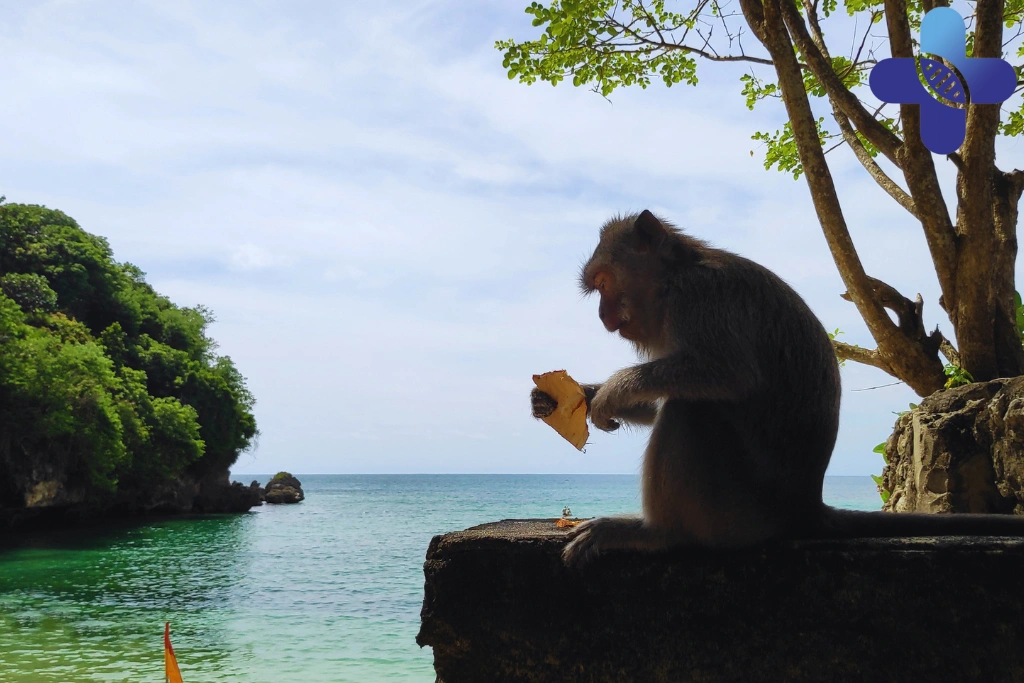
Beach days in Uluwatu often involve shared outdoor spaces. Travelers may pass dogs near Padang Padang, cats near accommodation, or monkeys around temple and viewpoint routes.
Most animal encounters are harmless. The concern starts when there is a bite, scratch, broken skin, or saliva contact with a wound, eyes, mouth, or nose.
WHO classifies rabies exposure by contact type, including licks on intact skin, minor scratches, and bites or scratches that break the skin. Category II and III exposures may require post-exposure care, depending on assessment.
Why Animals Are Common Around Uluwatu Beach Areas
Uluwatu has outdoor cafés, cliff paths, beach stairs, scooter parking areas, villas, and small local roads. These spaces can naturally bring travelers and animals close together.
This does not mean Uluwatu beaches are unsafe. It simply means travelers should avoid feeding unfamiliar animals, touching animals suddenly, or protecting food and loose items by grabbing at animals.
For broader bite situations beyond beach areas, animal bites in Uluwatu can support readers who already had direct animal contact.
When an Animal Encounter Becomes a Medical Concern
A casual encounter becomes more important when the skin is broken. A small dog nip near Bingin, a scratch near Suluban, or saliva touching an existing cut after a beach walk may need assessment.
The animal’s behavior alone is not enough to decide. A calm-looking dog, cat, or monkey does not confirm whether exposure is risk-free.
Exposure Details That Should Be Checked
- A bite or scratch that breaks the skin
- Bleeding, even if it stops quickly
- Saliva touching broken skin
- Saliva contact with the eyes, mouth, or nose
- A wound on the hand, fingers, face, neck, or foot
- Contact with an unknown animal that cannot be observed
These details do not mean every traveler needs the same treatment. They help a clinician decide what care is appropriate.
What to Do First After a Bite or Scratch
Kemenkes Indonesia advises washing bite or scratch wounds from dogs, cats, monkeys, and other rabies-transmitting animals with soap or detergent and running water for 15 minutes, applying antiseptic, and visiting a health facility for further care.
First Steps After Animal Contact
- Wash the wound with soap and running water for 15 minutes
- Apply antiseptic after washing if available
- Avoid closing the wound tightly without medical advice
- Note where and when the exposure happened
- Seek medical assessment as soon as possible
Washing is important, but it does not replace rabies vaccine assessment when skin is broken or saliva exposure is possible.
Dog, Cat, and Monkey Encounters Near the Beach
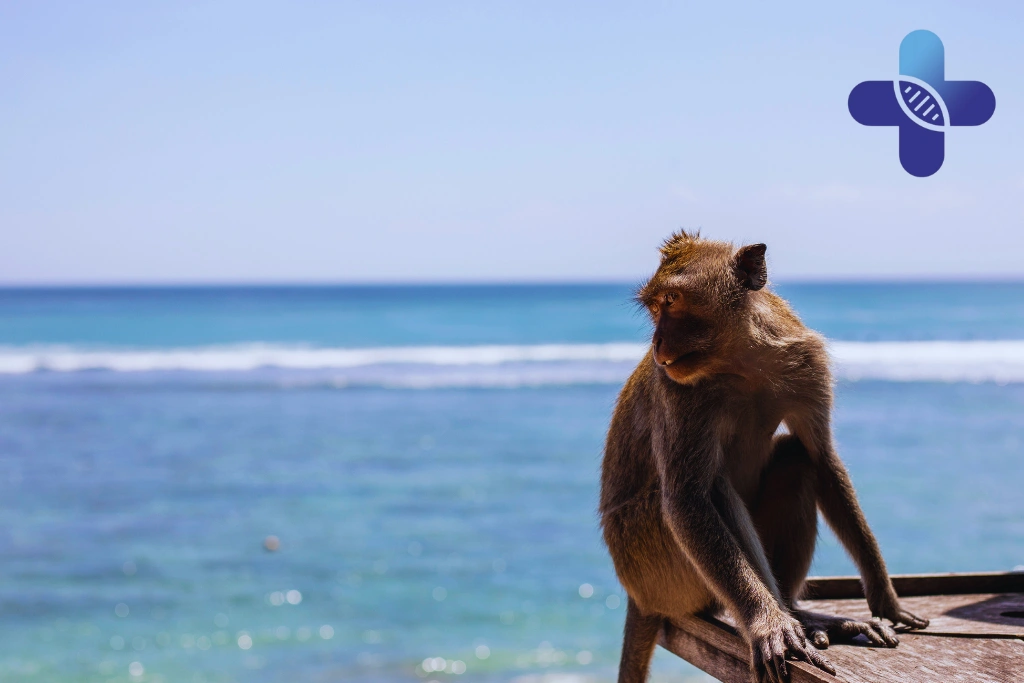
A dog may come close near a beach access path or villa road. A cat may scratch near accommodation or an open-air café. A monkey may grab food, sunglasses, or a bag near a temple route.
For dog-related wounds, dog broke skin in Uluwatu can help readers understand why broken skin changes the situation. For monkey-related scratches, monkey scratch in Uluwatu may be more specific.
Rabies Vaccine and HRIG Assessment
Rabies vaccine may be recommended after possible exposure, depending on the wound, animal type, timing, and previous rabies vaccination history.
HRIG means Human Rabies Immunoglobulin. It is different from rabies vaccine and may be discussed for selected higher-risk exposures, especially when someone has not previously received rabies vaccination. CDC explains that rabies post-exposure prophylaxis can include wound care, HRIG, and rabies vaccine, with recommendations depending on previous vaccination status.
HRIG is not needed for every bite or scratch. A medical provider should assess the exposure.
Getting Care From Uluwatu Beaches to Jimbaran
Travelers staying near Padang Padang, Bingin, Suluban, Balangan, Pecatu, Ungasan, or Uluwatu may consider Jimbaran as a practical clinic access point after a bite or scratch.
Life Everyouth Bali provides Rabies Vaccine in Bali, including rabies vaccine and Human Rabies Immunoglobulin services for emergency rabies exposure care.
For local treatment access, rabies treatment in Jimbaran can be linked naturally from this section.
Need Rabies Vaccine in Bali After Animal Contact?
If a bite, scratch, or saliva exposure happened around Uluwatu beaches, do not rely only on wound size or the animal’s appearance. Medical assessment can help determine the right next step after possible rabies exposure.
Learn more through Rabies Vaccine in Bali with Life Everyouth Bali, with clinic access in Jimbaran for travelers staying around Uluwatu and nearby South Bali areas.
Conclusion – Animals Near Uluwatu Beaches: Bite and Scratch Guide
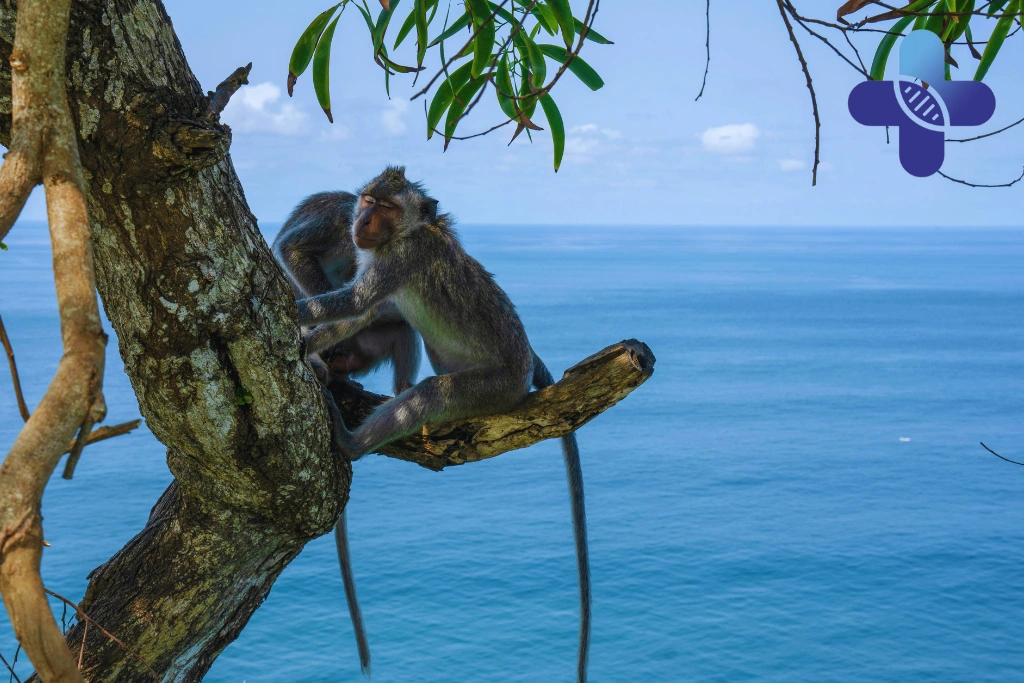
Animals near Uluwatu beaches are part of the normal outdoor travel environment, but bites, scratches, broken skin, or saliva exposure should be handled carefully.
Wash the wound for 15 minutes, avoid waiting for symptoms, and seek medical assessment. Rabies vaccine may be recommended depending on exposure details, while HRIG may be discussed only for selected higher-risk cases.
Frequently Asked Questions (FAQs) – Animals Near Uluwatu Beaches: Bite and Scratch Guide
Are animals near Uluwatu beaches dangerous?
Not automatically. Many encounters are harmless, but bites, scratches, or saliva exposure involving broken skin should be checked.
What should I do if a dog bites me near an Uluwatu beach?
Wash the wound with soap and running water for 15 minutes, apply antiseptic if available, and seek medical assessment.
Do I need a rabies vaccine after a small bite near Padang Padang or Bingin?
Rabies vaccine may be recommended if the bite breaks the skin, involves saliva exposure, or comes from an unknown animal.
What if an animal scratch did not bleed?
No bleeding does not always mean no concern. If the skin was damaged or saliva exposure was possible, the scratch should still be assessed.
Should a monkey scratch near Uluwatu Temple be checked?
Yes, especially if the scratch breaks the skin, bleeds, or may involve saliva contact.
Can I wait to see if symptoms appear?
No. Rabies prevention should be assessed before symptoms appear.
What is HRIG?
HRIG means Human Rabies Immunoglobulin. It is different from rabies vaccine and may be discussed for selected higher-risk exposures.
Is HRIG needed for every beach-area bite or scratch?
No. HRIG is not needed for every bite or scratch. A clinician should decide based on exposure details and vaccination history.
Where can I get a rabies vaccine near Uluwatu beaches?
Travelers staying near Uluwatu beaches may consider clinic access in Jimbaran. Life Everyouth Bali is one option for Rabies Vaccine in Bali.
When should I contact a Medical Clinic in Bali?
Contact a Medical Clinic in Bali after any bite, scratch, or saliva exposure involving broken skin, especially if the animal is unknown, the wound is on the hand or face, or previous rabies vaccination history is unclear.
