
Animal bite wound care in Uluwatu should begin as soon as possible after a dog bite, monkey scratch, cat scratch, or saliva exposure. For broader context about animal exposure, wound care, and prevention options around South Bali, travelers can read rabies in Uluwatu before deciding whether the wound should be checked.
Animal Bite Wound Care in Uluwatu: What Travelers Should Do Before Seeking Rabies Vaccine Assessment
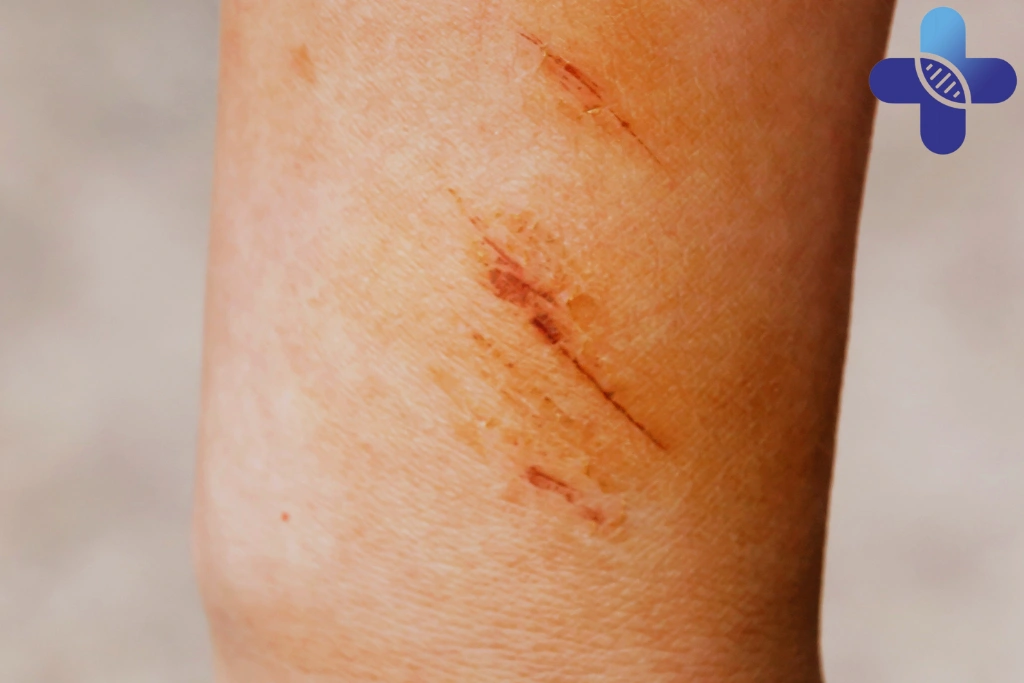
A bite or scratch in Uluwatu can happen during ordinary travel moments, such as walking near a villa road in Pecatu, visiting Uluwatu Temple, or returning from Padang Padang, Bingin, Suluban, or Balangan.
The wound may look small, but wound care should not wait. Rabies exposure can involve bites, scratches, or saliva contact with broken skin or mucous membranes, and WHO explains that post-exposure prevention includes wound washing, rabies vaccine, and rabies immunoglobulin when indicated.
Why Wound Care Comes First
Wound washing is the first practical step after animal exposure. It helps remove saliva, dirt, and contaminants from the wound area before medical assessment.
Kemenkes Indonesia advises washing bite wounds with soap or detergent under running water for 15 minutes as soon as possible, then seeking care at a health facility for further management.
Immediate Steps After a Bite or Scratch
First Wound Care Actions
- Wash the wound with soap and running water for 15 minutes
- Clean the full area around the bite or scratch
- Apply antiseptic after washing if available
- Avoid closing the wound tightly without medical advice
- Note where and when the exposure happened
- Seek medical assessment as soon as possible
Washing is important, but it does not replace rabies vaccine assessment. A wound can look clean and still need medical review if the skin was broken or saliva exposure was possible.
For broader bite situations, animal bites in Uluwatu can support readers who are unsure whether their exposure was a bite, scratch, or saliva contact.
Wound Care Mistakes Travelers Should Avoid
Some travelers rinse the wound quickly, cover it, and wait to see if it improves. Others use antiseptic but skip longer washing with soap and running water.
These choices are understandable during travel, but they may delay proper assessment. CDC explains that rabies post-exposure prophylaxis includes wound care, HRIG, and rabies vaccine, with recommendations depending on prior vaccination status and medical factors.
Actions That Can Delay Proper Care
- Rinsing the wound for only a few seconds
- Using antiseptic without proper washing first
- Covering the wound tightly and ignoring it
- Waiting for swelling, pain, or fever
- Assuming a small wound cannot matter
- Deciding based only on whether the animal looked healthy
If a dog bite broke the skin, dog broke skin in Uluwatu can be linked naturally for readers who need more specific guidance.
When the Wound Should Be Checked Promptly
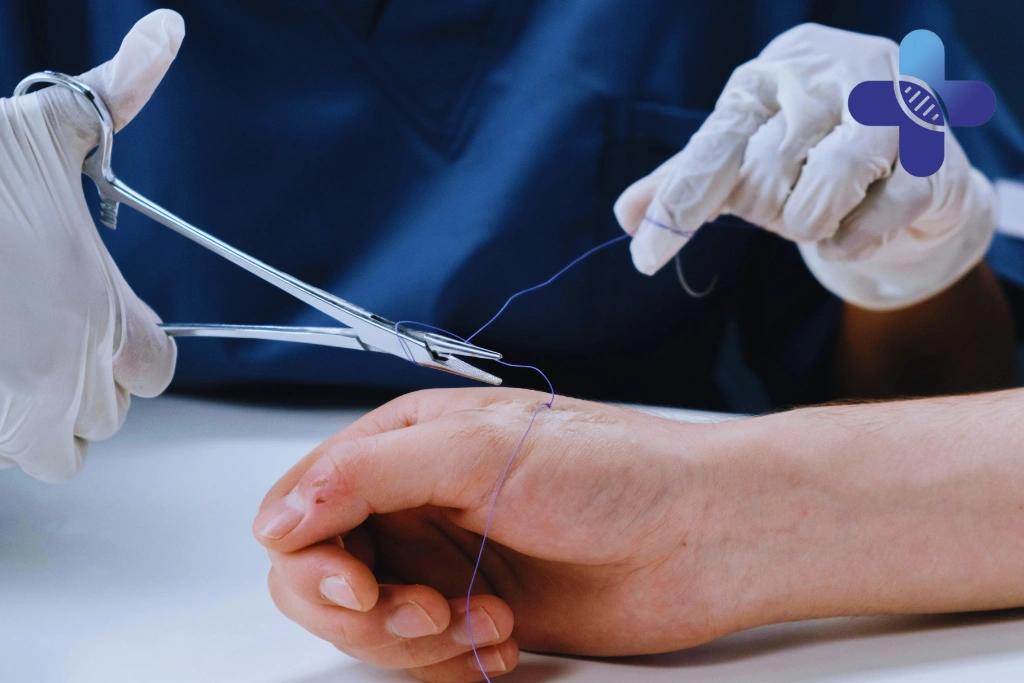
Animal bite wound care in Uluwatu is especially important when the wound involves broken skin, bleeding, or possible saliva exposure.
Exposure Details That Need Medical Review
- A bite or scratch that breaks the skin
- Bleeding, even if it stops quickly
- Saliva touching broken skin
- Saliva contact with the eyes, mouth, or nose
- A wound on the hand, fingers, face, neck, or foot
- Contact with an unknown animal
- Unclear previous rabies vaccination history
These details do not mean every traveler needs the same treatment. They help a clinician decide whether rabies vaccine assessment or HRIG discussion is appropriate.
Rabies Vaccine and HRIG Assessment
Rabies vaccine may be recommended after possible exposure, depending on the wound, animal type, timing, and previous rabies vaccination history.
HRIG means Human Rabies Immunoglobulin. It is different from rabies vaccine and may be discussed for selected higher-risk exposures, especially when someone has not previously received rabies vaccination. CDC states that rabies PEP includes wound care, HRIG, and rabies vaccine.
For readers who want to understand the full care journey, post-exposure rabies treatment Uluwatu can support this section.
Getting Care From Uluwatu to Jimbaran
Travelers staying in Uluwatu, Pecatu, Padang Padang, Bingin, Suluban, Balangan, or Ungasan may consider Jimbaran as a practical clinic access point after a bite or scratch.
Life Everyouth Bali provides Rabies Vaccine in Bali, including rabies vaccine and Human Rabies Immunoglobulin services for emergency rabies exposure care.
For local access guidance, rabies treatment in Jimbaran can be linked from this section.
Need Rabies Vaccine in Bali After an Animal Bite?
If a dog bite, monkey scratch, animal scratch, or saliva exposure happened around Uluwatu, do not rely only on how small the wound looks. Medical assessment can help determine the right next step after possible rabies exposure.
Learn more through Rabies Vaccine in Bali with Life Everyouth Bali, with clinic access in Jimbaran for travelers staying around Uluwatu and nearby South Bali areas.
Conclusion – Animal Bite Wound Care in Uluwatu: What to Do First

Animal bite wound care in Uluwatu should start with proper washing for 15 minutes using soap and running water. After that, medical assessment is still important when skin is broken, saliva exposure is possible, or the animal is unknown.
Rabies vaccine may be recommended depending on exposure details. HRIG may be discussed only for selected higher-risk cases. Jimbaran can be a practical access point for travelers staying around Uluwatu.
Frequently Asked Question (FAQs) – Animal Bite Wound Care in Uluwatu: What to Do First
What should I do first after an animal bite in Uluwatu?
Wash the wound with soap and running water for 15 minutes, apply antiseptic if available, and seek medical assessment.
Is washing the wound enough after an animal bite?
No. Washing is important, but it does not replace medical assessment when skin is broken or saliva exposure is possible.
Should I use antiseptic after washing?
Yes, antiseptic may be applied after washing if available. It should not replace soap-and-water wound cleaning.
What if I only rinsed the wound quickly?
Wash it properly with soap and running water as soon as possible, then seek medical assessment.
What animal bites should be checked in Uluwatu?
Dog bites, monkey scratches, cat scratches, or saliva exposure should be checked if they break the skin or involve possible saliva contact.
Do I need a rabies vaccine after an animal bite?
Rabies vaccine may be recommended depending on the wound, animal type, timing, and previous vaccination history.
What is HRIG?
HRIG means Human Rabies Immunoglobulin. It is different from rabies vaccine and may be discussed for selected higher-risk exposures.
Is HRIG needed for every bite or scratch?
No. HRIG is not needed for every bite or scratch. A clinician should decide based on exposure details and vaccination history.
Where can I get a rabies vaccine near Uluwatu?
Travelers staying around Uluwatu may consider clinic access in Jimbaran. Life Everyouth Bali is one option for Rabies Vaccine in Bali.
When should I contact a Medical Clinic in Bali?
Contact a Medical Clinic in Bali after any bite, scratch, or saliva exposure involving broken skin, especially if the animal is unknown, the wound is on the hand or face, or previous rabies vaccination history is unclear.
