
Pet dogs in Ubud may seem friendly, especially around villas, cafés, guesthouses, or local streets where travelers often meet animals casually. When a bite, scratch, or saliva contact breaks the skin, broader guidance from Rabies in Ubud can help travelers decide whether medical care may be needed.
Pet Dogs in Ubud: What Travelers Should Know Before Touching, Feeding, or Getting Too Close
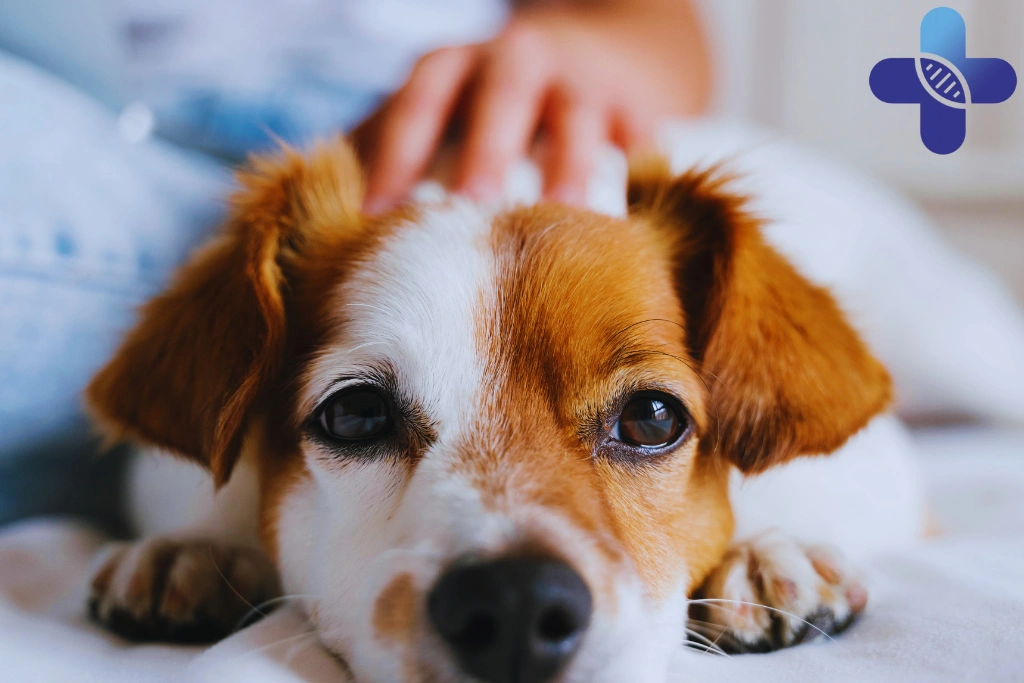
Many travelers feel comfortable around dogs in Ubud, especially when the dog seems calm, familiar, or connected to a villa, café, or guesthouse. A friendly-looking dog can make visitors feel safe enough to pet, feed, or approach it.
Most contact with dogs does not lead to a medical problem. Still, travelers should remember that a dog’s appearance alone cannot confirm vaccination status or rule out exposure risk. A bite, scratch, or saliva contact with broken skin should be handled carefully.
This guide explains when contact with pet dogs in Ubud may need attention, what travelers should do after a bite or scratch, and when rabies vaccine guidance may be appropriate.
Why Friendly Dogs Still Need Caution
A dog may look relaxed, clean, or used to people, but travelers may not know its vaccination history or whether it can be observed later. This is especially true when the dog belongs to a nearby property, roams freely, or is only familiar to local staff.
Rabies can spread through saliva, usually through bites, scratches, mucous membranes, or fresh skin wounds. WHO explains that post-exposure care may include wound washing, rabies vaccine, and rabies immunoglobulin when indicated.
This does not mean travelers should fear every dog. It means they should avoid assuming that a calm dog is automatically risk-free.
For a broader dog-related travel context, travelers may also read street dogs in Ubud.
Common Situations Involving Pet Dogs in Ubud
Contact with pet dogs can happen around villa entrances, guesthouse gardens, cafés, small roads, shops, or accommodation areas. A traveler may pet a dog, offer food, step too close, or surprise an animal without intending to.
A dog may bite or scratch if it feels startled, protective, in pain, or uncomfortable. Even a small nip can matter if the skin breaks.
Travelers should be more careful when approaching dogs they do not know, especially when the dog is eating, sleeping, guarding a space, caring for puppies, or moving away from contact.
When a Dog Bite or Scratch Should Be Checked
Touching or walking near a dog is different from being bitten or scratched. The concern increases when the skin is broken or saliva touches a wound.
Dog Contact That May Need Medical Guidance
Medical assessment may be needed after:
- a dog bite that breaks the skin
- a small nip with puncture marks
- a scratch with bleeding or broken skin
- dog saliva touching a fresh wound
- contact near the eyes, mouth, or mucous membranes
- a wound on the hand, face, neck, or near joints
- a dog that cannot be safely observed afterward
Kemenkes Indonesia advises washing bite or scratch wounds from rabies-transmitting animals, including dogs, cats, and monkeys, with soap or detergent under running water for 15 minutes, then seeking further medical care.
What To Do First After a Dog Bite in Ubud
The first step is to wash the wound. This should be done as soon as possible after the bite, scratch, or saliva contact.
Use soap and running water, and continue washing for 15 minutes when possible. Avoid applying unverified remedies, alcohol-heavy irritants, or dirty coverings. After washing, contact a medical provider for assessment.
Wound washing is important first aid, but it does not replace medical review. A clinician may still need to assess whether rabies vaccine, HRIG, or wound care is needed.
For a more urgent bite-specific guide, travelers can read dog bite in Ubud.
Why a Small Nip Can Still Matter
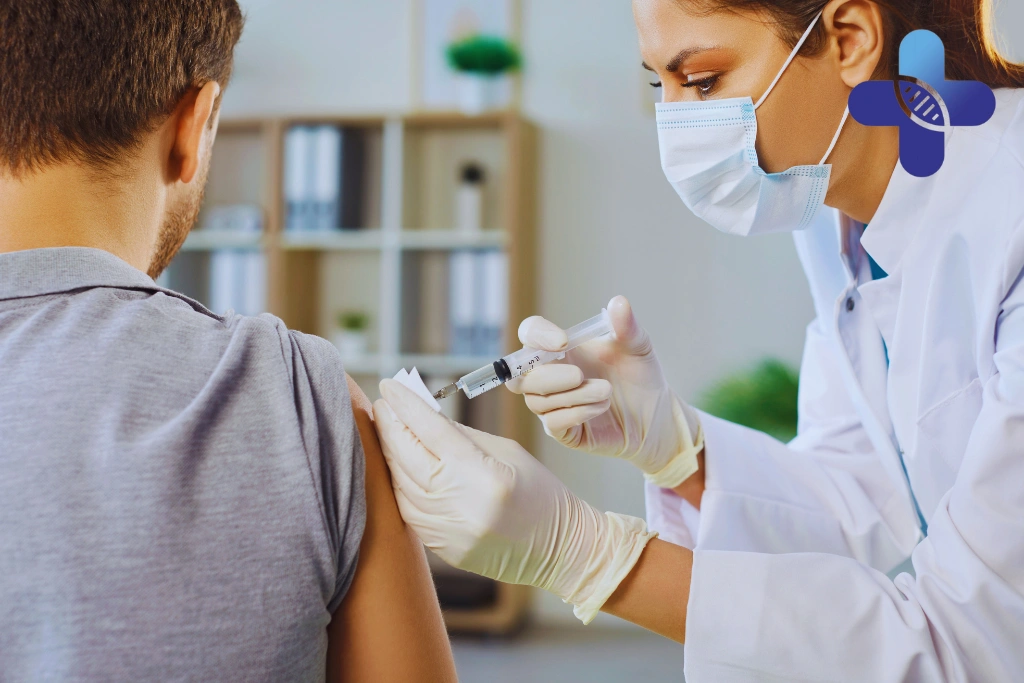
A small bite may not look serious. Some dog bites leave only tiny puncture marks, light bleeding, or a shallow scratch. Travelers may also dismiss the wound because the dog seemed friendly or belonged near the property.
The issue is not only wound size. The issue is whether the skin barrier was broken and whether saliva entered the wound.
A small bite from a pet dog in Ubud should be taken more seriously if the dog is unknown, the wound is on the hand or face, the dog cannot be observed, or the traveler has not had previous rabies vaccination.
Rabies Vaccine Guidance After Dog Contact
Rabies vaccine may be recommended after certain dog bites, scratches, or saliva exposures. The decision depends on the wound, saliva contact, dog status, previous rabies vaccination history, immune status, and whether the dog can be observed.
CDC describes rabies post-exposure prophylaxis as including wound care, human rabies immune globulin, and a vaccine series, with recommendations differing by previous vaccination status and immune status.
Travelers should avoid deciding based only on how friendly the dog looked. Medical assessment is the safer next step when skin is broken or exposure details are unclear.
Avoid Waiting for Symptoms
Feeling fine after a dog bite or scratch does not confirm that the exposure was harmless. Rabies prevention should be considered before symptoms appear.
CDC explains that rabies can be prevented before and after exposure using vaccine and immunoglobulins.
Travelers should not wait for fever, tingling, weakness, or unusual symptoms before asking for help. The decision should be based on exposure details, not symptoms.
Medical Support for Travelers in Ubud
Travelers staying in Ubud may need guidance on whether to visit a clinic, request Doctor On Call support, or ask about home service availability.
Life Everyouth Bali provides Rabies Vaccine in Bali support, including medical assessment after animal bites or scratches, rabies vaccine services, HRIG support, clinic access in Sanur, and possible Doctor On Call / home visit options for villas, hotels, or private residences.
Travelers who need location-based vaccine guidance can also read about rabies vaccine near Ubud.
Need Rabies Vaccine Guidance After Dog Contact in Ubud?
If contact with a dog in Ubud led to a bite, scratch, or saliva contact with broken skin, avoid deciding based only on the dog’s appearance or the wound size. Medical assessment can help determine whether wound care, rabies vaccine, HRIG, or follow-up guidance may be needed.
Life Everyouth Bali provides Rabies Vaccine in Bali support for travelers, with clinic access in Sanur and possible Doctor On Call or home service options for selected Ubud villa, hotel, or private residence stays.
Conclusion – Pet Dogs in Ubud: Traveler Safety Guide
Pet dogs in Ubud may seem friendly and familiar, but travelers should still be cautious with bites, scratches, and saliva exposure. A calm-looking dog does not automatically confirm that there is no medical concern.
The first step after a bite or scratch is washing the wound with soap and running water. The next step is medical assessment if the skin was broken, saliva exposure was possible, or the dog cannot be observed.
Travelers who understand pet dogs in Ubud can enjoy their stay more safely and respond calmly if dog contact becomes a medical issue.
Frequently Asked Questions (FAQs) – Pet Dogs in Ubud: Traveler Safety Guide
Are pet dogs in Ubud safe to touch?
Many dogs may be friendly, but travelers should avoid assuming every dog is safe to touch. Risk depends on the dog, the situation, and whether any bite, scratch, or saliva exposure occurs.
What should I do after a dog bite in Ubud?
Wash the wound with soap and running water for 15 minutes when possible, then seek medical assessment. Kemenkes recommends wound washing after bites or scratches from rabies-transmitting animals.
Do I need a rabies vaccine after a small dog bite?
A small bite should be assessed if it breaks the skin or causes puncture marks. Rabies vaccine may be recommended depending on the wound and exposure details.
What if the dog looked healthy?
A healthy-looking dog does not always confirm vaccination status or rule out exposure risk. If the skin was broken, medical guidance is recommended.
Can dog saliva be a rabies concern?
Dog saliva may be a concern if it touches broken skin, a fresh wound, the eyes, or the mouth. Saliva on intact skin is different from saliva entering a wound.
Should I wait for symptoms after a dog bite?
No. Rabies prevention should be considered before symptoms appear. Waiting for symptoms is not a safe decision point.
Where can I get rabies vaccine guidance near Ubud?
Travelers in Ubud can contact a qualified Medical Clinic in Bali for assessment. Life Everyouth Bali provides Rabies Vaccine in Bali support with clinic access in Sanur and possible home service depending on location and availability.
Can a doctor come to my villa after a dog bite in Ubud?
Home service may be available for selected villa, hotel, or private residence settings. Life Everyouth Clinic Bali provides Doctor On Call / home visit options as part of its rabies vaccine support.
What information should I prepare before contacting a clinic?
Prepare when and where the bite happened, whether the dog is known, where the wound is located, whether the skin broke, whether saliva was involved, and whether you had rabies vaccine before.
When should I book a Rabies Vaccine in Bali?
Consider Rabies Vaccine in Bali support if a dog bite, scratch, or saliva exposure in Ubud broke the skin, involved an unknown dog, or may require HRIG assessment.
