
Cuts caused by coral can contain debris and be exposed to bacteria found in coastal water. Cleaning the injury promptly and monitoring its recovery are important, while a general practitioner in Jimbaran can assess wounds that remain painful, contaminated, or slow to heal.
Coral Cut Treatment Jimbaran Bali: A Guide for Travelers
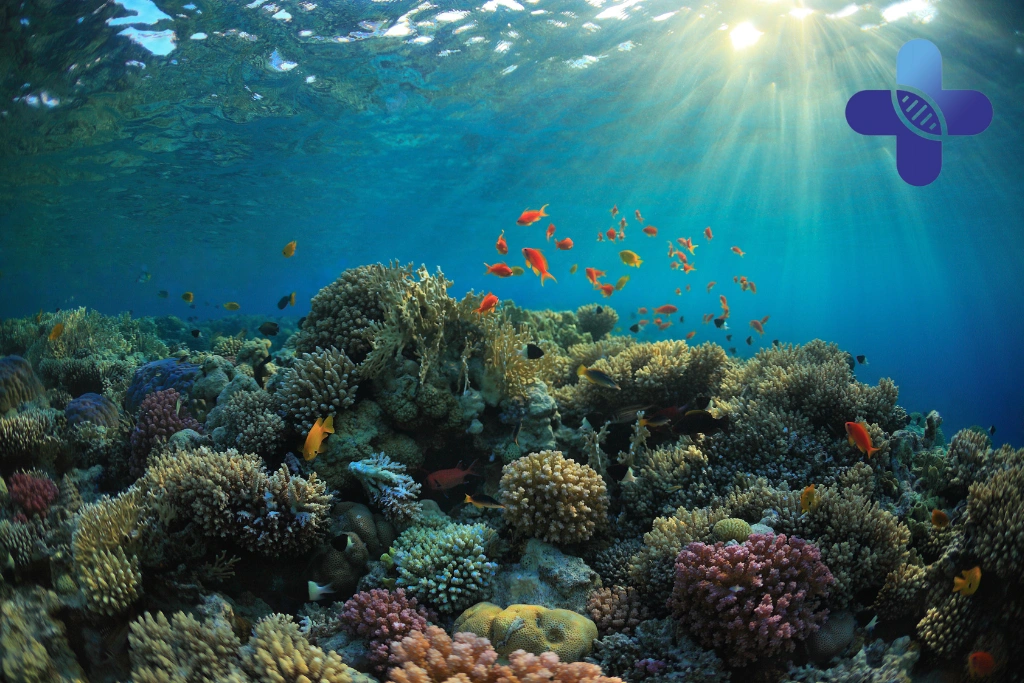
A coral cut can look small immediately after a surfing, snorkeling, or swimming accident. However, its rough edges may damage the skin unevenly, and fragments or debris can remain inside the wound.
Marine wounds can involve contamination, foreign material, bleeding, and occasionally additional injury from marine organisms. Open wounds exposed to coastal water also require careful attention because seawater can contain bacteria capable of causing infection.
Prompt first aid may help protect the wound while the traveler decides whether a medical examination is needed.
What Should You Do Immediately After a Coral Cut?
Leave the water and move to a clean, safe area. If the wound is bleeding, apply steady pressure using clean gauze or another clean dressing until the bleeding begins to stop.
Initial Care for a Minor Coral Wound
- Wash your hands before touching the injury.
- Rinse visible dirt and loose debris away carefully.
- Clean the surrounding skin gently.
- Cover the wound with a clean, sterile dressing.
- Keep the dressing dry and replace it when dirty or wet.
- Avoid returning to the sea while the wound remains open.
The CDC advises people with open wounds to avoid saltwater or brackish water when possible. When contact cannot be avoided, the wound should be protected with a waterproof covering.
Do not aggressively scrape or dig into the injury to remove material that is deeply embedded. A clinician may need to examine the wound when coral fragments, sand, or other foreign material cannot be removed easily.
Why Coral Wounds Need Careful Monitoring
A coral injury is not always a simple surface scratch.
Irregular wound edges can make cleaning difficult, while seawater, sand, and repeated contact with wet equipment may expose the damaged skin to further irritation. Marine wounds can also contain retained foreign bodies that require closer assessment.
Travelers should avoid surfing, swimming, or snorkeling until the wound is adequately protected and beginning to heal. Repeated water exposure may keep the area wet and introduce new contamination.
Those who experience other water-related injuries can read about surf injury Jimbaran Bali.
Signs That a Coral Cut May Be Infected
Some tenderness and redness can occur shortly after an injury. The more important question is whether these changes begin to settle or continue getting worse.
Changes That Need Medical Attention
- Increasing redness around the wound
- Worsening swelling or warmth
- Pain that becomes stronger
- Pus or colored discharge
- An unpleasant smell
- Fever or chills
- Redness spreading away from the injury
- Delayed healing
- Difficulty moving the affected area
Increasing pain, swelling, redness, or pus are recognized warning signs of wound infection.
People with diabetes, reduced immunity, circulation problems, or significant liver disease should be particularly cautious with wounds exposed to coastal water. A clinician may recommend earlier evaluation based on the person’s medical history and the appearance of the injury.
When Should a Coral Cut Be Examined by a GP?
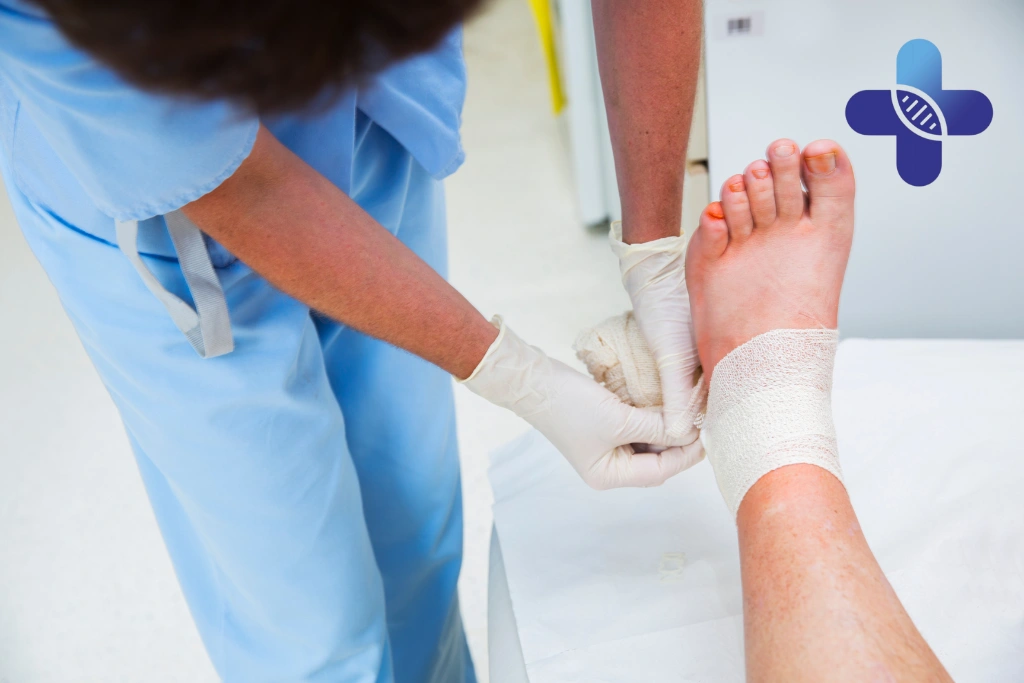
A minor, shallow cut that has been cleaned properly may begin improving with routine wound care. Medical assessment becomes more important when the wound is deep, heavily contaminated, painful, or difficult to clean.
A GP may examine the depth of the cut, look for retained material, assess circulation and movement, and check for signs of infection.
The doctor may also review tetanus vaccination history and determine whether medication, wound closure, further cleaning, imaging, or hospital referral is appropriate.
Seek an assessment when:
- Bleeding does not stop with firm pressure.
- Material appears embedded in the wound.
- The cut is deep or has widely separated edges.
- Pain or swelling continues to increase.
- Numbness or reduced movement develops.
- The wound is located near the eye, face, hand, or joint.
- The injury occurred together with a strong impact.
- The traveler has a medical condition that affects healing.
A general practitioner can provide an initial evaluation, but serious injuries may require surgical, orthopedic, or hospital-based treatment.
When Hospital Care Is More Appropriate
A routine clinic consultation should not delay emergency assessment for a serious injury.
Go to an emergency department or seek urgent assistance when there is:
- Uncontrolled or heavy bleeding
- Loss of consciousness
- Significant head, neck, or spinal injury
- Severe pain with suspected fracture
- Loss of sensation or movement
- A very deep or extensive wound
- Rapidly spreading swelling or redness
- Severe weakness, confusion, or breathing difficulty
Travelers involved in a collision or fall on the way to or from the beach may also need to review motorbike accident Jimbaran Bali, particularly when the coral cut is only one part of a larger injury.
Protecting the Wound During Recovery
Keep the wound clean and covered according to the instructions provided by a clinician.
Avoid soaking it in a swimming pool, bathtub, ocean, or other body of water until the skin has closed sufficiently. The CDC specifically recommends avoiding coastal water when an open wound is present.
Do not apply unverified substances, beach remedies, or harsh chemicals to the injury. These may irritate damaged tissue and make it harder to assess.
Check the wound each day for changes in color, swelling, pain, discharge, and movement. Seek medical advice rather than waiting when the condition begins to deteriorate.
Medical Assessment in Jimbaran
Travelers who need coral cut treatment in Jimbaran Bali can contact Life Everyouth Bali to ask about a general practitioner consultation.
The clinic is located at:
Jl. Uluwatu II No.10X Jimbaran, Kec. Kuta Sel. Kabupaten Badung, Bali 80361
Bring information about when the injury occurred, where it happened, how long it remained in seawater, the first aid already performed, allergies, regular medication, and tetanus vaccination history if known.
Operating hours, doctor availability, wound-care fees, medication, and additional procedures should be confirmed directly before visiting.
Contact a General Practitioner in Bali
A coral wound that remains painful, contains debris, shows signs of infection, or affects movement may need professional assessment.
Travelers staying in Jimbaran can contact the clinic regarding its general practitioner in Bali service.
For assistance through WhatsApp, contact +62 858-8788-8911.
Include the patient’s name, age, current location, wound location, when the injury occurred, and whether bleeding, swelling, discharge, fever, numbness, or restricted movement is present.
Conclusion – Coral Cut Treatment Jimbaran Bali: Wound Care Guide
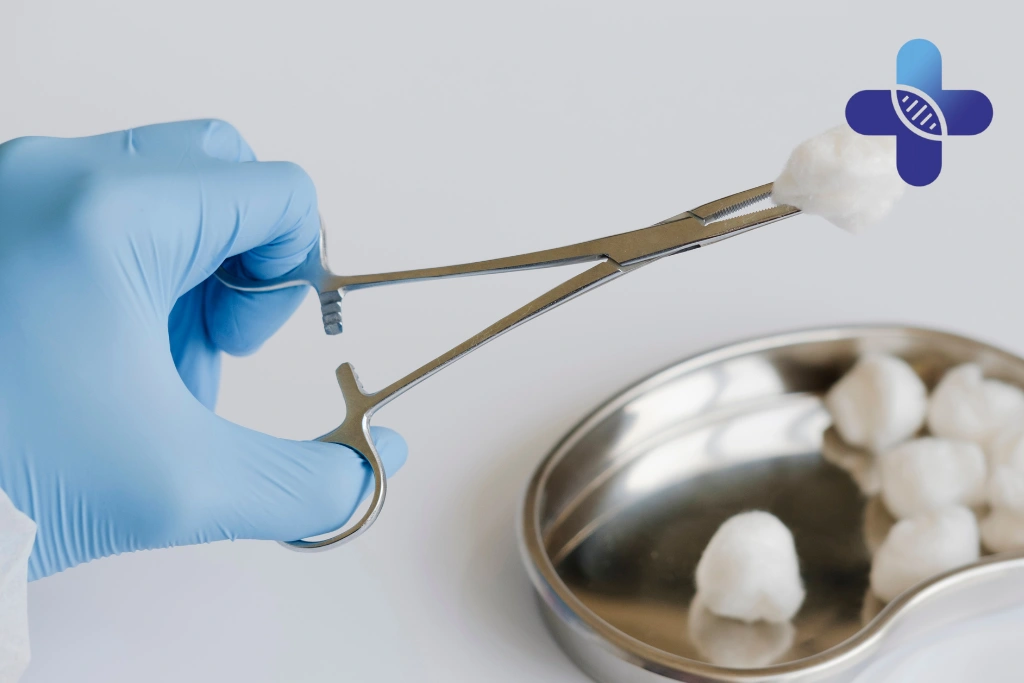
A coral cut should be cleaned promptly, covered with a clean dressing, and kept away from further seawater exposure while it heals.
Small injuries may improve with proper wound care, but retained debris, persistent bleeding, increasing pain, spreading redness, swelling, or discharge require medical assessment.
Travelers should seek urgent hospital care when the injury is deep, bleeding heavily, associated with loss of movement, or accompanied by a serious head, neck, or spinal injury.
Frequently Asked Questions (FAQs) – Coral Cut Treatment Jimbaran Bali: Wound Care Guide
Is a coral cut dangerous?
A shallow coral cut may remain minor when cleaned properly, but marine wounds can contain bacteria or foreign material. The risk depends on the wound’s depth, contamination, location, and the patient’s health.
Should I wash a coral cut with fresh water?
The wound should be cleaned carefully to remove visible dirt and loose debris. Avoid vigorous scrubbing or digging for deeply embedded fragments. A clinician should examine material that cannot be removed safely.
Can I swim after getting a coral cut?
It is safer to avoid returning to the ocean while the wound remains open. The CDC advises people with open wounds to stay out of saltwater and brackish water when possible.
How do I know whether coral is still inside the wound?
Persistent sharp pain, visible material, a gritty feeling, swelling, or delayed healing may suggest retained debris. A physical examination, and occasionally additional investigation, may be needed.
Does every coral cut need antibiotics?
No. Antibiotics are not automatically required for every wound. A doctor decides based on signs of infection, wound depth, contamination, medical history, and examination findings.
Does a coral cut require a tetanus injection?
That depends on the wound and the patient’s vaccination history. A doctor can review when the last tetanus vaccination was given and whether additional protection is recommended.
What are the signs of an infected coral wound?
Increasing pain, redness, warmth, swelling, pus, unpleasant odor, fever, or redness spreading from the wound may indicate infection and should be medically assessed.
Can a Medical Clinic in Jimbaran clean a coral cut?
A qualified clinic may assess and clean the wound, look for infection or retained material, review tetanus status, and determine whether further treatment or hospital referral is needed.
Where can I get a coral cut checked in Jimbaran?
The clinic is located at Jl. Uluwatu II No.10X, Jimbaran, Kec. Kuta Sel., Kabupaten Badung, Bali 80361. Confirm operating hours and availability before attending.
How can I contact the clinic?
Contact the clinic through WhatsApp at +62 858-8788-8911. Use the WhatsApp chat button in this article and include a brief description of the injury and any warning signs.
