
Managing diabetes at home is a routine most people know well — but Bali’s heat, local food, and travel schedule can quietly shift that routine. Understanding what to watch for can help travelers and expats keep their diabetes management Bali routine on track, and know when it’s time to bring in an internist in Bali for extra support.
Managing Diabetes While Living or Traveling in Bali

A reader who manages diabetes confidently at home notices their blood sugar behaving differently a few days into a Bali trip — maybe higher after meals, maybe lower after a day of sightseeing.
Readers searching for diabetes management bali guidance usually want practical, reassuring direction on what’s normal, what to adjust, and when to get help — not a list of worst-case scenarios.
How Bali’s Climate and Diet Can Affect Blood Sugar
Heat and humidity can affect how insulin is absorbed and how quickly the body dehydrates, both of which can influence blood sugar readings.
Local diet often includes more white rice, fried foods, and sweetened drinks than a reader’s usual meals at home, which can raise blood sugar if portions and frequency aren’t adjusted.
This is a shift to plan around, not a hazard to fear — Balinese food is still very much on the table with some awareness of portion size and pairing.
Common Challenges Travelers With Diabetes Face
Medication storage is one of the bigger ones — insulin and some oral medications need to stay below a certain temperature, which is harder in Bali’s heat without a fridge or cool bag.
Meal timing is another: flights, tours, and irregular schedules can delay meals and affect glucose levels. Activity changes matter too — more walking, swimming, or scooter use, or conversely long travel days with little movement, can shift blood sugar in either direction.
For readers managing diabetes alongside another ongoing condition, chronic disease management while living abroad covers that broader picture. Small, consistent adjustments here usually keep things manageable.
Signs Blood Sugar Isn’t Being Managed Well While Abroad
Symptoms Worth Paying Attention To
- fatigue that doesn’t improve with rest or sleep
- excessive thirst or a noticeably dry mouth
- blurred vision that comes and goes
- cuts, blisters, or skin irritation that heal more slowly than usual
These signs don’t confirm a specific complication, but a pattern that persists or worsens is worth having checked rather than waiting until you’re back home.
Keeping Monitoring and Medication on Track
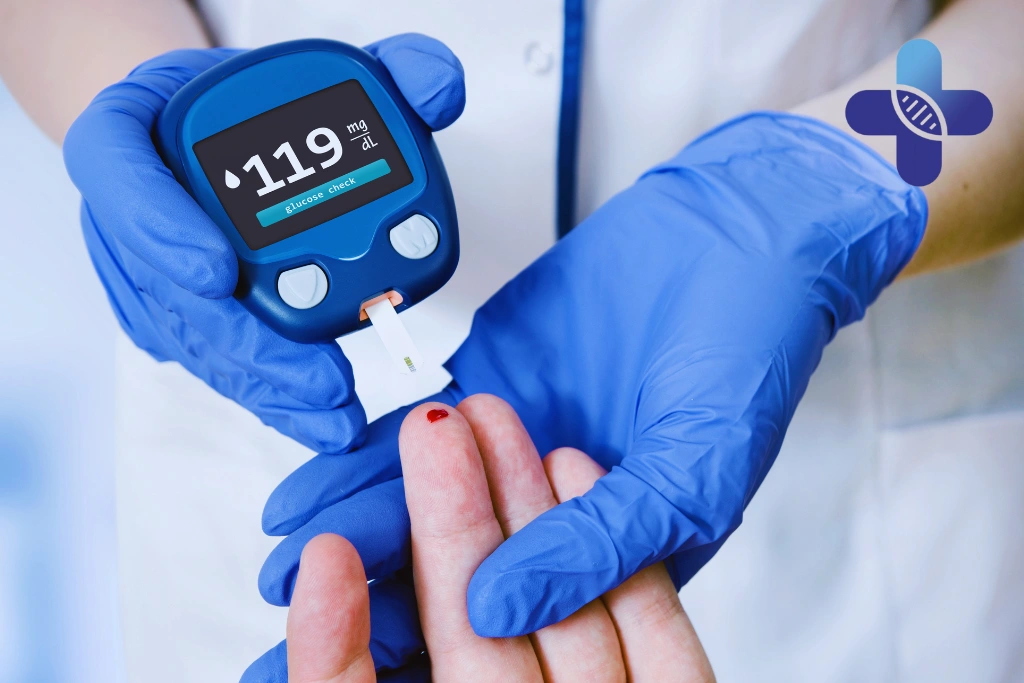
Keep a consistent testing schedule even when travel days feel unpredictable, and carry medication and testing supplies in hand luggage rather than checked bags.
Use an insulated bag or cool pouch for insulin in hot weather. A simple log or app note of readings during the first week or two in a new climate also helps spot patterns early.
When to Involve an Internist in Bali
Occasional fluctuation is common and not automatically concerning. A pattern of consistently high or low readings, symptoms that don’t settle, or uncertainty about adjusting a routine safely are good reasons to involve a doctor rather than guessing.
A board-certified internist can review the full picture — history, current medication, and on-site blood work — rather than you trying to interpret it alone. For anything that feels urgent or happens outside clinic hours, Doctor On Call is the appropriate first step.
Accessing Internist Care in Sanur or Jimbaran
Life Everyouth Bali’s board-certified internist is available by appointment at the Sanur clinic (Jl. Danau Toba No.10b, Denpasar Selatan) and the Jimbaran clinic (Jl. Uluwatu II No.10X), both open 24 hours.
On-site blood work helps check how glucose is tracking, and most major travel insurance is accepted, with medical reports and invoices provided for claims. For readers juggling diabetes alongside other prescriptions, managing multiple medications safely while living in Bali is worth a read too.
Speak With an Internist in Bali
For blood sugar patterns that feel off, medication or monitoring questions, or a general check-in on diabetes management while in Bali, book directly with Life Everyouth Bali’s board-certified internist in Bali in Sanur or Jimbaran.
Conclusion – Managing Diabetes While Living or Traveling in Bali

Diabetes management bali residents rely on doesn’t have to be put on hold during a stay — it just benefits from a few practical adjustments to diet, medication storage, and monitoring in a new climate.
When blood sugar patterns feel unclear or symptoms persist, a consultation with an internist in Bali can help travelers and expats get back on track with confidence, rather than guessing at changes alone.
Frequently Asked Questions (FAQs) – Managing Diabetes While Living or Traveling in Bali
Can traveling to Bali affect blood sugar control?
Yes. Heat and humidity, changes to meal timing, and a different balance of foods can all influence blood sugar. Staying consistent with monitoring and medication timing helps minimize the impact.
How should insulin or diabetes medication be stored in Bali’s climate?
Insulin and some oral medications are sensitive to heat and should be kept cool, ideally in an insulated bag rather than left in direct heat. Carrying supplies in hand luggage is also recommended when flying.
What symptoms suggest diabetes isn’t being managed well while traveling?
Fatigue that doesn’t improve with rest, excessive thirst, blurred vision, and slow-healing cuts are worth paying attention to. These don’t confirm a specific problem on their own, but a pattern that persists is worth checking.
Can an internist in Bali help adjust a diabetes treatment plan temporarily?
Yes. Chronic disease management, including diabetes, is a core part of the internist’s service. A consultation reviews your history and current medication, along with on-site blood work.
Is it safe to eat local Balinese food with diabetes?
Generally yes, with some awareness of portion size and carbohydrate content — dishes with more rice or sweetened sauces affect blood sugar more than others. Pairing meals with protein or vegetables helps keep things balanced.
What should a first internist visit for diabetes management involve?
A new patient consultation typically runs 30-45 minutes, reviewing your diabetes history, current medication, and on-site diagnostic testing, so the internist has a clear picture before offering guidance.
How do I book an internist appointment in Bali?
Consultations are by appointment only, arranged via WhatsApp (+62 858 8788 8911). Staff speak English and Indonesian, at either the Sanur or Jimbaran clinic.
Does travel insurance cover an internist consultation for diabetes in Bali?
Most major travel insurance is accepted, and medical reports and invoices are provided so you can submit a claim. It’s worth checking your specific policy’s coverage for chronic condition consultations.
How much does an internist consultation for diabetes cost in Bali?
Fees vary depending on case complexity and which diagnostics are needed, so there’s no single fixed price. The clinic can outline costs when an appointment is booked.
What if diabetes-related symptoms feel urgent or happen outside a scheduled appointment?
For urgent or after-hours situations, Doctor On Call is the more appropriate first step rather than waiting for a scheduled internist appointment.
