
Many people experience ongoing fatigue, mild joint discomfort, or slower recovery without clearly understanding the cause. These symptoms are often subtle and easy to dismiss, especially for adults who remain active in Bali. However, in some cases, low-grade inflammation may play a role behind these persistent changes. For individuals trying to better understand available options, reviewing a stem cell guide in Bali can also provide broader insight into how regenerative approaches are structured within a medical framework.
Chronic Inflammation: The Silent Cause of Many Health Issues

Inflammation is a natural defense mechanism. It helps the body respond to injury, infection, and tissue stress. The concern arises when inflammation does not fully resolve and becomes long-lasting, which is when chronic inflammation symptoms may begin to appear in subtle ways.
What Is Chronic Inflammation?
To understand chronic inflammation symptoms, it helps to first distinguish between acute and chronic responses. Acute inflammation is protective and temporary. It may involve redness, warmth, or mild swelling after an injury, and it typically resolves once healing occurs.
Chronic inflammation, on the other hand, is lower in intensity but more persistent. It may not produce visible signs, yet it can continue at a low level in the body over time. At Life Everyouth Bali, patient education often begins by explaining that inflammation itself is not harmful—its duration and regulation are what matter.
When the immune response remains activated longer than necessary, subtle discomfort may gradually emerge.
Common Chronic Inflammation Symptoms
Many chronic inflammation symptoms are non-specific and can overlap with daily stress or aging. Common signs include:
- Persistent fatigue
- Joint stiffness
- Muscle soreness
- Brain fog
- Digestive discomfort
- Slow recovery after minor injuries
These symptoms do not automatically indicate serious disease. However, when they persist for weeks or months, they may reflect low-grade inflammation affecting tissue repair and immune balance. In some individuals, this overlap can contribute to patterns discussed in slow healing after 40, particularly among active adults.
Why Does Inflammation Become Chronic?
Chronic inflammation symptoms can develop from multiple interacting factors rather than a single cause.
Lifestyle stress, sleep disruption, and processed dietary patterns may influence immune regulation. Aging-related immune shifts can also contribute to a state sometimes described as “low-grade inflammation.”
Importantly, this is not about blame. Modern routines often involve high stress, irregular sleep, and environmental exposure that may affect immune balance. At a Medical Clinic Bali that evaluates inflammatory patterns, assessment typically focuses on identifying these contributors before considering further steps.
Inflammation and Aging

Inflammation and aging are closely connected. As we grow older, immune regulation may become less precise. This does not mean disease is inevitable, but it may explain why chronic inflammation symptoms become more noticeable after the age of 40.
This gradual shift is sometimes linked to reduced regenerative efficiency. Tissue repair may take longer, especially in joints or muscles exposed to repetitive strain. For individuals experiencing persistent discomfort, this may overlap with patterns seen in chronic joint pain in Bali, where inflammation and structural stress interact.
In active areas like Sanur, where long-stay residents maintain surf, yoga, or diving routines, these changes can feel more pronounced.
How Chronic Inflammation Affects Tissue Repair
Inflammation plays an essential role in early healing. However, when inflammatory signals remain active for too long, they can interfere with efficient tissue remodeling.
This may result in slower muscle recovery, lingering stiffness, or extended healing time after minor strain. Over time, persistent inflammation may affect the overall tissue repair process.
For some individuals seeking conservative management first, structured options such as non-surgical joint treatment in Bali may be explored before considering advanced regenerative approaches.
Can Chronic Inflammation Be Managed?
Chronic inflammation symptoms can often be influenced by foundational health strategies:
- Balanced nutrition emphasizing whole foods
- Consistent sleep patterns
- Regular but controlled physical activity
- Stress regulation practices
These remain the primary and evidence-aligned approach recommended in public health frameworks.
In recent years, regenerative medicine has also been increasingly discussed as an area of research focusing on supporting tissue repair and cellular balance, particularly in structured medical settings in Bali. At a Bali Medical Clinic offering regenerative evaluation, assessment typically begins with identifying whether inflammatory patterns, joint degeneration, or lifestyle factors are contributing to symptoms before discussing any advanced therapy.
If you are experiencing persistent symptoms that may be linked to chronic inflammation and would like to better understand available regenerative approaches, you can explore further information about stem cell therapy in Bali.
Conclusion – Chronic Inflammation Symptoms You Shouldn’t Ignore
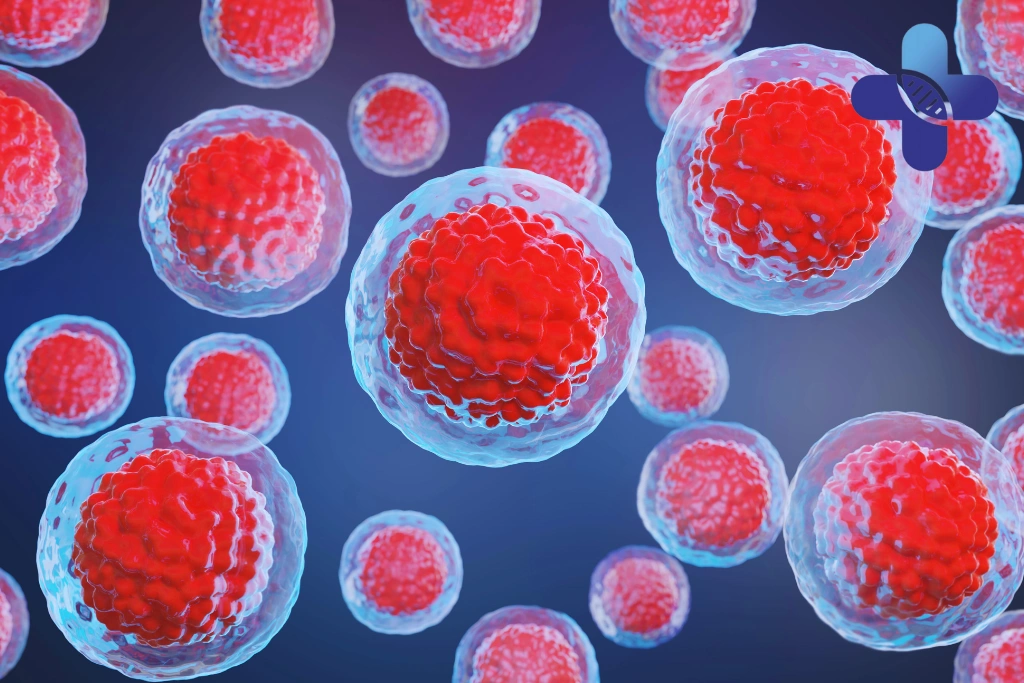
Inflammation is a natural and essential process. The challenge arises when it becomes persistent and subtle rather than acute and temporary.
Chronic inflammation symptoms often present as fatigue, joint stiffness, digestive discomfort, or slower recovery. These changes are frequently mild but may affect daily comfort over time.
Lifestyle optimization remains the foundation of management. At the same time, emerging regenerative approaches are being studied as supportive options within structured clinical settings. Proper evaluation helps determine whether symptoms reflect normal aging, lifestyle imbalance, or specific joint-related concerns.
Frequently Asked Question (FAQ) – Chronic Inflammation Symptoms You Shouldn’t Ignore
What are the most common chronic inflammation symptoms?
Common chronic inflammation symptoms include persistent fatigue, joint stiffness, muscle soreness, brain fog, and digestive discomfort. These signs are often subtle and may overlap with everyday stress.
Can inflammation exist without visible swelling?
Yes. Chronic inflammation is often low-grade and may not produce redness or swelling. Symptoms may instead appear as ongoing discomfort or fatigue.
Is chronic fatigue related to inflammation?
In some cases, persistent fatigue can be linked to low-grade inflammation affecting immune signaling and energy regulation.
Can stress increase inflammation?
Yes. Chronic stress may influence immune regulation and contribute to inflammatory imbalance over time.
Does inflammation increase with age?
Low-grade inflammation patterns may become more common with aging due to changes in immune regulation.
How long is considered “chronic” inflammation?
Inflammation is generally described as chronic when it persists for weeks, months, or longer rather than resolving quickly after injury or infection.
Can diet reduce inflammation?
Balanced, whole-food dietary patterns may support healthy immune regulation and reduce inflammatory triggers.
Is chronic inflammation dangerous?
Persistent inflammation may contribute to long-term tissue stress, but mild symptoms are common and not always linked to serious disease.
When should I seek medical evaluation?
If symptoms persist, worsen, or interfere with daily function, medical evaluation is advisable to identify underlying causes.
Where can I explore inflammatory condition assessment in Bali?
Individuals interested in structured evaluation can explore consultation options through Life Everyouth Bali, where assessment focuses on identifying inflammatory contributors before considering regenerative therapies.
