
Traveling in tropical destinations often involves outdoor activities, sun exposure, and social experiences. In some situations, these conditions may contribute to symptoms related to hangovers in Bali, especially when dehydration and alcohol consumption occur together.
Dehydration Symptoms Travelers Often Ignore in Bali
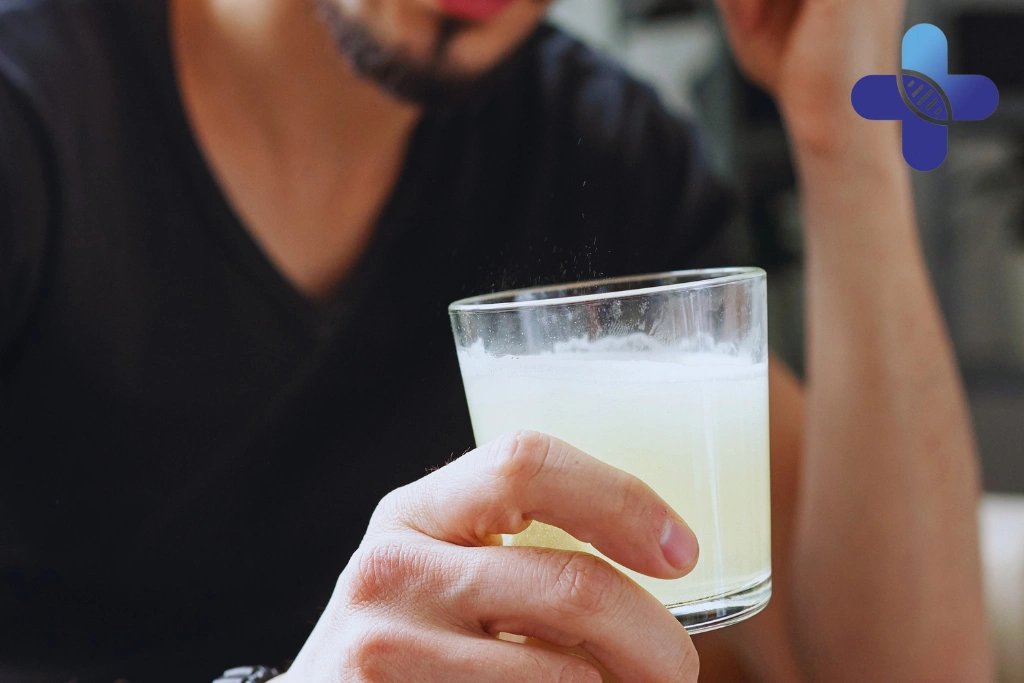
During a trip to Bali, many travelers spend time at the beach, join outdoor tours, or enjoy social activities under the tropical sun. Without realizing it, these conditions can lead to mild dehydration that is often overlooked.
Dehydration symptoms do not always feel serious at first, but they can affect energy levels and overall comfort during your stay in Bali.
Why Dehydration Is Common in Bali
Bali’s tropical climate plays a major role in increasing the risk of dehydration among travelers.
Warm temperatures and high humidity can cause the body to lose fluids more quickly through sweat. Activities such as walking tours in Ubud, relaxing in Sanur coastal areas, or dining outdoors in Jimbaran can further increase fluid loss.
Because of this, travelers may need more hydration than they are used to in their home environment.
Early Dehydration Symptoms Travelers May Ignore
Many early signs of dehydration are subtle and easy to dismiss as normal travel fatigue.
Mild Physical Signs
- Slight thirst
- Light dizziness
- Low energy
- Mild headache
- Dry mouth
These symptoms are often mistaken as simple tiredness after a long day of activities in Bali.
How Alcohol Can Worsen Dehydration
Alcohol can increase the risk of dehydration, especially when combined with Bali’s climate.
It acts as a diuretic, meaning it increases fluid loss through urination. After nightlife in areas like Canggu or Seminyak, travelers may experience more noticeable dehydration symptoms the next day.
This is one of the reasons why dehydration after alcohol consumption in Bali is commonly reported among visitors.
Dehydration During Beach and Outdoor Activities

Outdoor activities are a key part of the Bali experience, but they also contribute to fluid loss.
Spending time under direct sunlight, engaging in physical activities, or simply walking for long periods can increase hydration needs. Common scenarios include:
- Visiting beach clubs
- Snorkeling or swimming
- Exploring local walking tours
Without adequate water intake, these activities can gradually lead to dehydration.
Why Travelers Often Overlook These Symptoms
Many travelers do not immediately recognize dehydration because the symptoms can feel mild.
While enjoying a holiday in Bali, people tend to focus on activities rather than physical signals from their body. Symptoms like fatigue or headache are often attributed to travel schedules instead of hydration levels.
This is why understanding how to recognize dehydration on a Bali trip becomes important for maintaining well-being.
When Dehydration May Need Medical Attention
In most cases, mild dehydration improves with rest and increased fluid intake. However, certain symptoms may require further attention.
Signs That May Need Evaluation
- Persistent dizziness
- Difficulty drinking fluids
- Ongoing vomiting
- Significant weakness
These situations may require medical evaluation in Bali to assess hydration status and overall condition.
Clinics such as Life Everyouth Bali or other Medical Clinics in Bali may provide supportive evaluation for travelers experiencing these symptoms.
Travelers who want to better understand hydration recovery after activities in Bali can explore IV Drip Therapy Hangover Relief in Bali.
Conclusion – Dehydration Symptoms in Bali Travelers: Signs to Know

Dehydration is a common condition among travelers in Bali due to the tropical climate, outdoor activities, and alcohol consumption. Recognizing early symptoms can help maintain comfort and prevent more significant issues during your trip.
Frequently Asked Question (FAQ) – Dehydration Symptoms in Bali Travelers: Signs to Know
What are early signs of dehydration in Bali?
Early signs include thirst, fatigue, dizziness, and mild headache. Clinics like Life Everyouth Bali often help travelers identify these early symptoms.
Why is dehydration common in tropical destinations?
Heat and humidity increase fluid loss. A Medical Clinic Bali setting often sees travelers affected by this during outdoor activities.
Can alcohol cause dehydration in Bali?
Yes, alcohol increases fluid loss. Bali Medical Clinic providers frequently note this among nightlife visitors.
Is a headache a sign of dehydration?
Yes, headache can be a common symptom. A Medical Clinic in Bali may evaluate whether dehydration is contributing to it.
How much water should I drink in Bali?
Hydration needs vary, but generally more than usual is recommended. Life Everyouth Bali often advises consistent fluid intake throughout the day.
Can beach activities increase dehydration risk?
Yes, sun exposure and activity can increase fluid loss. Medical Clinic Bali professionals often highlight this risk.
How long does dehydration last?
Mild dehydration can improve within hours, but recovery depends on fluid intake. Bali Medical Clinic providers may assess more persistent cases.
When should I seek medical help in Bali?
If symptoms worsen or do not improve, visiting a Medical Clinic in Bali is recommended.
Can dehydration affect energy levels?
Yes, dehydration can lead to fatigue and reduced performance. Life Everyouth Bali often sees this in active travelers.
Where can travelers get hydration support in Bali?
Support is available in areas like Sanur and Jimbaran. Clinics such as Life Everyouth Bali or other Medical Clinics in Bali can assist travelers.
