
Travelers often hear about dengue fever in Bali, rainy season, and mosquitoes at the same time when planning or arriving on the island. This overlap can be confusing, especially for visitors who feel well but start noticing more mosquito bites or hearing warnings online. Understanding dengue season in Bali helps travelers stay informed and calm without jumping to conclusions or unnecessary worry.
Dengue Season in Bali: When Travelers Should Be More Aware
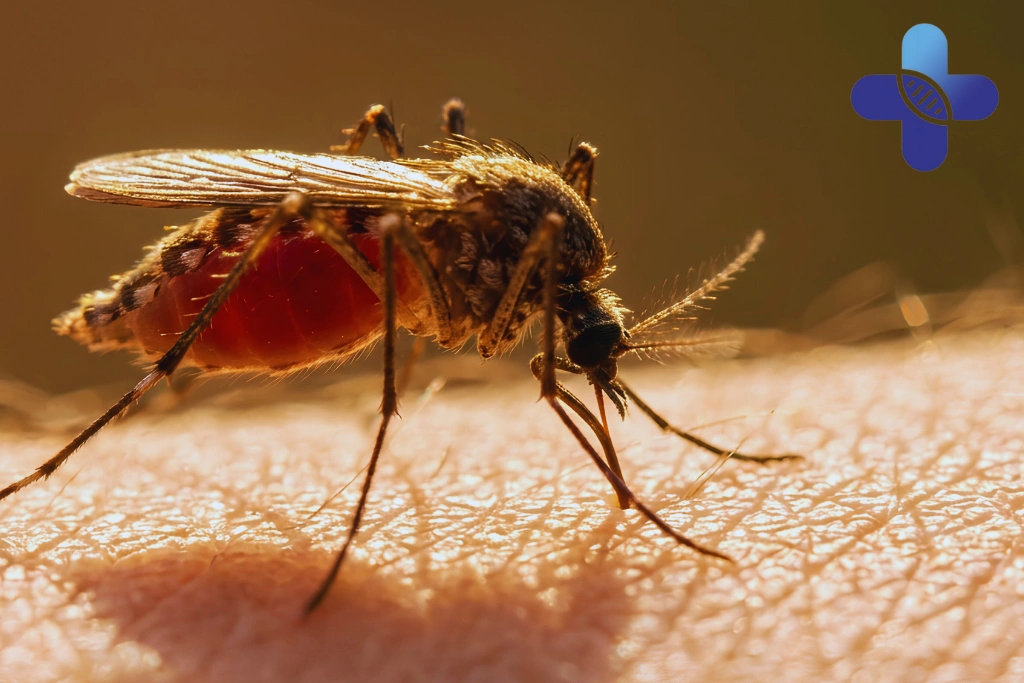
Dengue is a known tropical illness in Bali, but it does not occur evenly throughout the year. Instead, travelers often hear more about dengue during certain months when environmental conditions support higher mosquito activity. This article explains when dengue is most commonly discussed in Bali, why certain periods get more attention, and how travelers can think about risk in a balanced way.
When Is Dengue Most Common in Bali?
Dengue cases in Bali tend to follow seasonal patterns rather than appearing randomly throughout the year. Reports usually increase during periods when mosquito populations rise, which is why dengue season in Bali is often linked to specific months.
This does not mean dengue is constantly present or that every traveler is at risk. It simply reflects how climate and environment influence mosquito activity over time.
Which Months Are Considered Peak Dengue Periods?
Peak dengue periods in Bali usually align with the rainy season, when standing water becomes more common. These conditions make it easier for mosquitoes to breed, which can lead to higher transmission potential.
However, peak months do not mean constant danger. Risk varies by location, behavior, and exposure, and many travelers pass through these months without health issues.
Are There “Worst Months” to Visit Bali Because of Dengue?
There are no “forbidden” or unsafe months to visit Bali because of dengue. Travel continues year-round, and millions of visitors come during rainy periods without problems.
What matters more than timing is awareness. Understanding seasonal patterns helps travelers make sensible choices rather than avoiding travel altogether.
When Are Mosquitoes Usually the Worst in Bali?
Mosquitoes are often more noticeable in the early morning and evening, particularly after rainfall. Outdoor dining, gardens, and areas with vegetation can increase exposure.
Some locations feel worse simply because travelers spend more time outside. In walkable areas like Sanur, evening walks and cafés are common. In resort areas such as Jimbaran, landscaped grounds and open spaces can also attract mosquitoes. Increased mosquito presence does not automatically mean dengue risk, but it explains why travelers notice more bites.
How Do Travelers Reduce Dengue Risk in Bali?
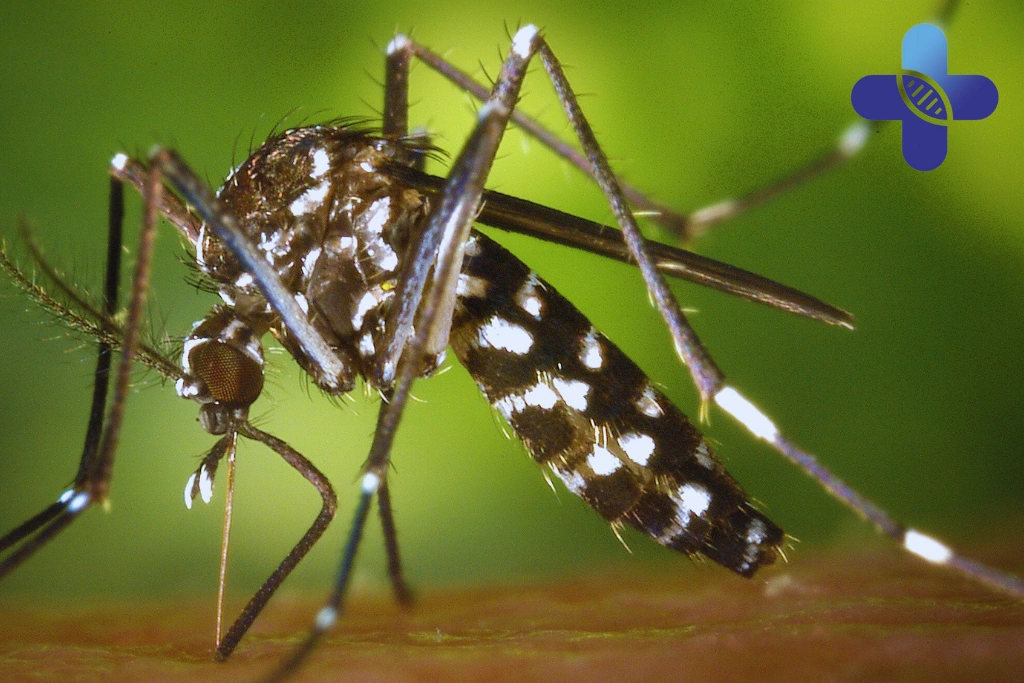
Dengue risk reduction focuses on everyday prevention rather than medical treatment. Simple habits often make a meaningful difference, such as:
- Wearing light, covering clothing during peak mosquito hours
- Being mindful of standing water around accommodation
- Using repellents consistently when outdoors
Healthcare providers, including teams at Life Everyouth Bali, emphasize prevention as part of routine travel awareness rather than something that should cause anxiety.
How Long After a Mosquito Bite Does Dengue Usually Appear?
Dengue does not cause symptoms immediately after a bite. There is typically a delay between exposure and feeling unwell, which is why travelers often cannot remember when they were bitten.
This timing gap explains much of the confusion travelers feel, especially when symptoms appear days after arriving or even after returning home. A Medical Clinic Bali often helps travelers understand this incubation concept without jumping to conclusions.
Why Dengue Season Is Often Confused With Flu Season in Bali
Dengue season in Bali often overlaps with periods when travelers also talk about flu season. Similar timing, travel fatigue, and early general discomfort can make these topics feel connected.
However, the progression and context are different. Understanding flu season in Bali as a separate seasonal pattern helps travelers avoid unnecessary assumptions and approach health decisions more calmly.
Doctor On Call Bali for Calm Decision Support
For travelers who feel uncertain but do not want to visit a clinic, Doctor On Call Bali provides medical guidance directly at hotels or villas. This service supports calm assessment, helps clarify whether symptoms are likely related to seasonal illness patterns, and offers practical next steps when needed through Life Everyouth Healthcare Bali.
Dengue Vaccination in Bali as a Preventive Option
For long-stay travelers or those spending extended time outdoors, dengue vaccination in Bali may be considered as part of a preventive health discussion. A Medical Clinic in Bali can help travelers understand suitability, timing, and individual context so prevention choices are informed rather than rushed.
Conclusion – Dengue Season in Bali: When Mosquito Risk Is Higher

Dengue season in Bali reflects environmental and seasonal patterns rather than constant risk. By understanding when dengue is more commonly discussed, why mosquito activity changes, and how prevention fits into everyday travel habits, visitors can approach their trip with confidence. Awareness—supported by reliable medical guidance when needed—helps travelers stay informed without unnecessary worry.
Frequently Asked Questions (FAQ) – Dengue Season in Bali: When Mosquito Risk Is Higher
Is dengue common all year in Bali?
Dengue can occur year-round in Bali, but cases are not evenly distributed throughout the year. Life Everyouth Bali often explains that dengue is more commonly discussed during certain months due to environmental patterns rather than constant risk.
Does the rainy season always mean higher dengue risk?
Rainy season can increase mosquito breeding, but it does not automatically mean dengue risk is high everywhere. A Medical Clinic Bali usually emphasizes awareness and prevention rather than assuming illness during rainy periods.
Can travelers completely avoid dengue in Bali?
No prevention strategy is absolute, but awareness and practical habits can significantly reduce risk. Life Everyouth Healthcare Bali focuses on realistic prevention without creating unnecessary anxiety for travelers.
Are mosquitoes worse in some areas of Bali than others?
Yes, mosquito presence can vary depending on vegetation, standing water, and outdoor activity. A Bali Medical Clinic often notes that areas with more gardens or outdoor spaces may feel more noticeable, especially in the evenings.
Is dengue season dangerous for tourists?
For most travelers, dengue season does not mean immediate danger. Life Everyouth Bali frames dengue season as a period for increased awareness rather than a reason to avoid travel or activities.
Why do people talk more about dengue at certain times of the year?
Dengue discussions usually increase when mosquito activity rises and when media coverage is more frequent. A Medical Clinic in Bali often explains that this shared timing amplifies awareness rather than indicating widespread illness
Can flu-like illness during the rainy season be dengue?
Flu-like illness can have many causes, especially during travel. Life Everyouth Healthcare Bali encourages travelers to observe symptom progression calmly rather than assuming dengue immediately.
How long after travel should dengue be considered?
Dengue symptoms typically do not appear immediately after exposure. A Medical Clinic Bali can help travelers understand timing and decide whether further evaluation is necessary.
Is dengue risk higher for long-stay travelers?
Longer stays may increase exposure simply because of time spent in the environment. Life Everyouth Bali often supports long-stay travelers with preventive guidance rather than focusing on risk alone.
When should travelers seek medical advice?
Medical advice is recommended when symptoms change, worsen, or cause concern. Life Everyouth Healthcare Bali supports calm decision-making so travelers know when reassurance is enough and when professional input is helpful.
