
Rabies in Bali remains a public health concern, particularly due to the presence of stray dogs and frequent interaction with animals such as monkeys in tourist areas.
While most encounters are harmless, bites and scratches can still happen—especially in places like Ubud Monkey Forest, beaches, or residential streets.
Because rabies is a serious infection, even a small bite should not be ignored without proper understanding.
Is Every Dog or Monkey Bite in Bali Dangerous?
Understanding Animal Bite Risks for Travelers
Interacting with animals like dogs and monkeys is common during a trip to Bali. Many travelers encounter them in popular areas such as Ubud, Canggu, or even near their accommodation.
In some situations, bites or scratches may occur, leading to understandable concern.
Not every bite means rabies. However, it is also not something that should be considered completely safe without proper evaluation.
This article will help you understand the real risks and when medical attention may be necessary.
Are All Animal Bites in Bali Dangerous?
Not every animal bite in Bali leads to rabies.
In fact, many bites may come from animals that are not infected. However, every bite is still considered a potential exposure.
The level of risk depends on:
- The condition of the wound
- The type of animal
- The environment where the bite occurred
Because it is not possible to confirm infection just by looking at the animal, caution is always recommended.
Understanding Rabies Risk in Bali
Rabies continues to be monitored in Bali, and prevention programs are ongoing.
Not all animals carry rabies, and many appear healthy. However, the virus cannot be identified based on appearance alone.
This means:
- A calm or “friendly” animal can still carry risk
- Early signs of rabies are often not visible
- Waiting for symptoms is not a safe approach
For travelers, understanding rabies risk in Bali is important for making quick decisions after an incident.
Dog Bite Risk in Bali
Dog encounters are common in Bali, especially in residential areas and tourist zones.
There are generally two types:
- Stray dogs
- Owned or community dogs
Even if a dog looks healthy or is familiar to locals, the risk cannot be completely ruled out.
This is why dog bite risk Bali should always be taken seriously, particularly if:
- The bite breaks the skin
- The dog’s vaccination status is unknown
- The bite occurs unexpectedly
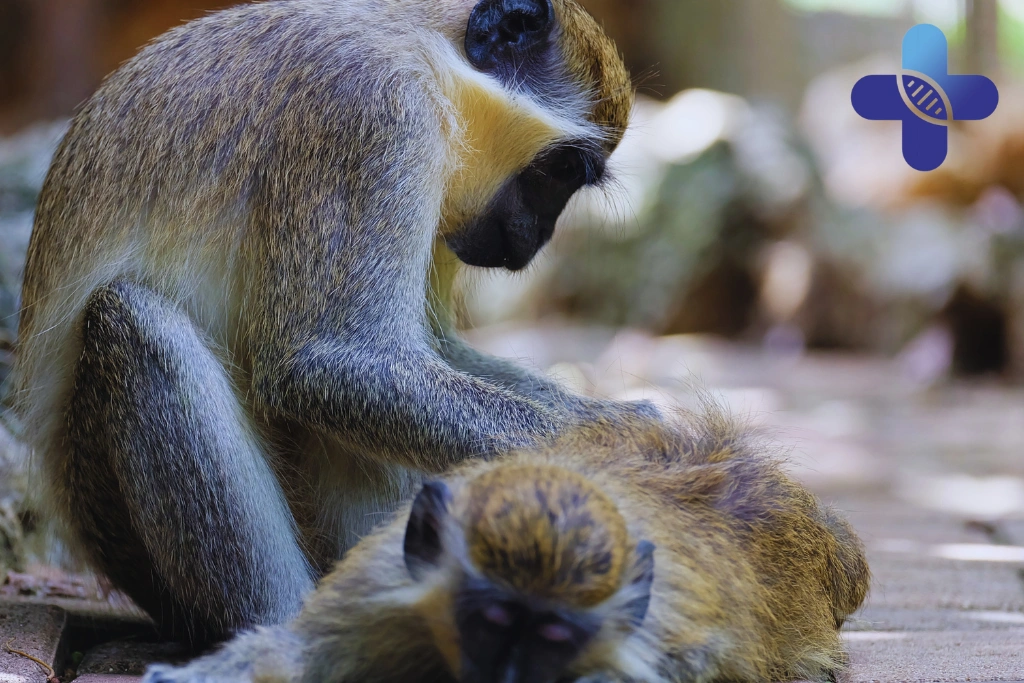
Monkey Bite Risk in Bali
Monkey bites are most commonly reported in areas like Ubud Monkey Forest and temple surroundings.
Monkeys can become aggressive if:
- They feel threatened
- Food is involved
- Visitors get too close
Even a small scratch or bite from a monkey carries risk.
Understanding monkey bite risk Bali is especially important for travelers visiting these attractions.
What Makes a Bite More Serious
Not all bites carry the same level of risk.
Some situations require more attention, including:
- Deep or bleeding wounds
- Bites on the face, neck, or hands
- Bites in children
- Wounds that are not cleaned immediately
These factors increase the likelihood of virus exposure and should not be ignored.
Why You Should Not Ignore Any Bite
One of the biggest risks is underestimating the situation.
Rabies does not always show symptoms immediately. In fact, symptoms may take days or weeks to appear.
By the time symptoms develop, treatment options are extremely limited.
Early evaluation is always safer than waiting.
This is why any animal bite Bali situation should be taken seriously, even if it seems minor.
When Travelers Should Seek Medical Attention
It is recommended to seek medical evaluation if:
- The skin is broken
- There is bleeding
- The bite comes from a stray or unknown animal
- You are unsure about the risk
- Symptoms appear after the bite
Medical professionals can assess the situation and determine whether treatment such as vaccination is needed.
Don’t Ignore an Animal Bite in Bali
Animal bites may seem minor, but they can carry risks that are not immediately visible.
Getting a proper medical evaluation helps ensure you receive the right treatment based on your situation.
Travelers who experience animal bites in Bali can learn more about available care through Rabies Vaccine & Bite Treatment in Bali.
Conclusion — Is Dog Bite Dangerous Bali? Monkey Bite Risk Guide

Not every dog or monkey bite in Bali leads to rabies, but it is never something that should be ignored.
Understanding the level of risk—and knowing when to seek medical care—can help travelers respond more confidently and safely.
In situations involving uncertainty, early evaluation is always the safest approach.
Frequently Asked Question (FAQ) — Is Dog Bite Dangerous Bali? Monkey Bite Risk Guide
Is every dog bite in Bali dangerous?
Not every dog bite leads to rabies, but it is still considered a potential risk. It is best to have the bite evaluated by a medical professional in Bali to determine the appropriate treatment.
Can a healthy-looking dog carry rabies?
Yes. Dogs infected with rabies may not show obvious symptoms in the early stages. This is why appearance alone cannot be used to assess safety.
Are monkey bites common in Bali?
Monkey bites can occur, especially in areas like Ubud Monkey Forest. While not extremely common, they do happen when monkeys feel threatened or interact closely with visitors.
Is a small bite or scratch risky?
Yes. Even small scratches or bites can carry risk if the skin is broken. Proper cleaning and medical evaluation are recommended.
What should I do immediately after a bite?
Wash the wound with soap and running water for at least 15 minutes, apply antiseptic, and seek medical attention as soon as possible.
Do I need a rabies vaccine after every bite?
Not always. The need for vaccination depends on the type of exposure. A medical assessment in Bali will determine whether treatment is necessary.
Can I wait and see if symptoms appear?
No. Waiting is not recommended, as rabies symptoms appear late and are difficult to treat. Early evaluation is much safer.
Are children more at risk from animal bites?
Yes. Children are generally at higher risk due to smaller body size and difficulty recognizing danger. Immediate medical care is important.
Where should I go after a bite in Bali?
You should visit a medical clinic in Bali that can assess animal bites and provide appropriate treatment. It’s best to go as soon as possible.
How can I learn more about rabies treatment in Bali?
You can explore available services such as Rabies Vaccine & Bite Treatment in Bali to understand your options and get proper care.
