
Many travelers notice a moment of uncertainty: the wound is small, but it doesn’t quite feel right. These early wound warning signs in Bali are commonly seen among common wounds in Bali, where heat, humidity, and constant movement subtly affect how the skin responds—making it harder for travelers to judge whether a change is still normal or worth a closer look.
You can read our previous article on small cuts becoming painful in Bali to understand why minor wounds may start to feel sore or swollen during travel.
Early Warning Signs Travelers Shouldn’t Ignore When Dealing With Wounds in Bali
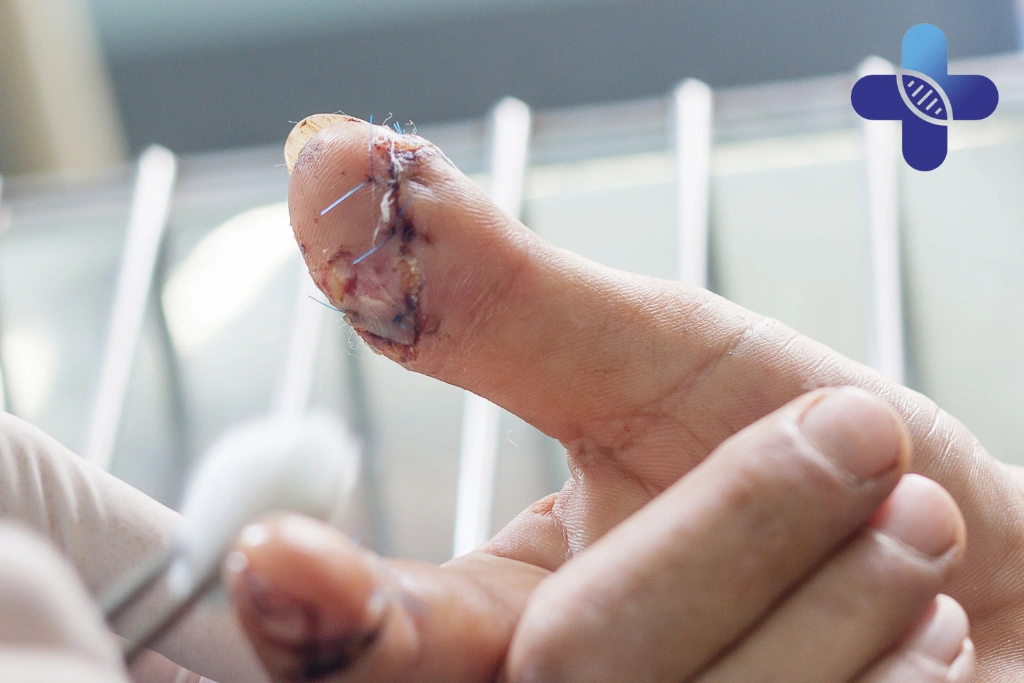
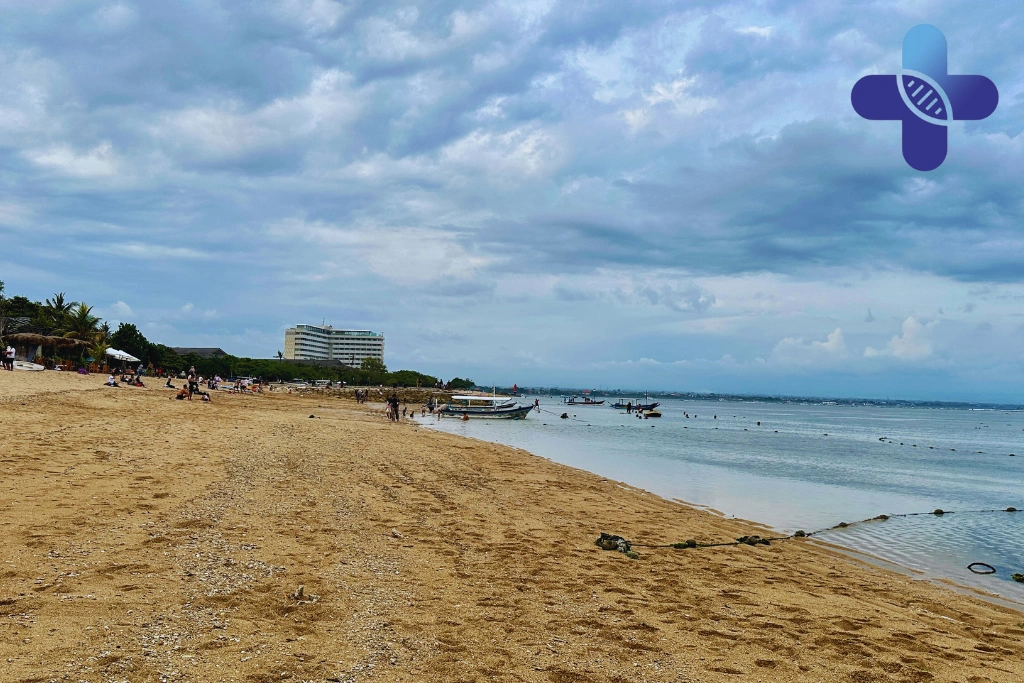
While traveling in Bali, small wounds often behave differently than expected. For travelers walking daily in areas like Sanur or spending relaxed time around resorts and dining areas in Jimbaran, it can be difficult to tell when a change is simply part of healing—or when it deserves more attention.
This article is not about diagnosing problems. It’s about helping travelers recognize early wound warning signs in Bali so decisions feel calmer and more informed.
Why Early Changes in Wounds Are Often Hard to Judge While Traveling
For many travelers, early wound warning signs in Bali are easy to miss because travel itself is distracting. Schedules, activities, and new surroundings naturally pull attention away from small physical changes.
Travel Distraction and Routine Changes
When daily routines shift, wounds aren’t checked as consistently as they might be at home. A Medical Clinic Bali often notes that travelers realize changes later simply because they were busy enjoying their trip.
Tropical Climate Alters Skin Response
Heat and humidity can make wounds look redder or feel warmer without signaling a problem. In tropical environments, the skin’s response can appear more dramatic even when healing is still progressing.
Common Early Warning Signs Travelers May Notice
Some early wound warning signs in Bali are subtle and develop gradually. Noticing them doesn’t mean something is wrong—it simply supports better awareness.
Travelers may observe:
- Redness that slowly expands beyond the initial area
- Increasing tenderness or sensitivity
- A wound staying moist longer than expected
- The surface not closing or drying gradually
Clinicians at Life Everyouth Bali often explain that these are changes, not diagnoses. What matters most is how they evolve over time.
Why These Signs Don’t Always Mean Something Serious

Not every early change is a cause for concern. Many early wound warning signs in Bali reflect normal adaptation to heat, moisture, and activity rather than infection or complications.
From a public-health perspective, observation is different from alarm. A Medical Clinic in Bali may reassure travelers that mild redness or moisture can still fall within normal healing—especially during active travel.
When a Small Wound Is No Longer “Just Minor”
At a certain point, size matters less than progress. With early wound warning signs in Bali, the key question becomes whether the wound is improving, staying the same, or slowly changing.
Signs That a Wound May Deserve Closer Attention
It can be helpful to pause and reassess if you notice:
- No visible improvement after several days
- Discomfort starting to affect walking or daily plans
- A wound repeatedly reopening or staying moist
- Changes that create uncertainty rather than reassurance
These moments don’t mean the wound is serious. As often explained at Life Everyouth Bali, they simply mark a point where clarification may feel helpful.
Why Early Attention Often Makes Care Simpler
Paying attention early often makes decisions easier. For travelers noticing early wound warning signs in Bali, timely clarification can prevent unnecessary guesswork.
From a preventive perspective, a Medical Clinic Bali may emphasize that early attention is about simplicity—not severity. Understanding what’s happening sooner often keeps care straightforward and travel plans intact.
If a wound feels uncertain or isn’t improving as expected, gentle clarification through wound care in bali can help distinguish what’s normal from what may need a closer look—without urgency or pressure.
Conclusion – Early Wound Warning Signs in Bali Travelers Shouldn’t Ignore
Early wound changes are not always dramatic, especially while traveling in Bali. Recognizing early wound warning signs in Bali is less about fear and more about clarity. Many travelers choose to seek guidance not because they’re worried—but because they want their journey to remain comfortable and uninterrupted.
You may also want to read our next article on self-treated wounds in Bali, which explains why wounds sometimes don’t improve as expected despite basic care.
Frequently Asked Questions (FAQ) – Early Wound Warning Signs in Bali Travelers Shouldn’t Ignore
What are early warning signs in small wounds?
Early signs include subtle changes such as increasing redness, tenderness, or moisture. For early wound warning signs in Bali, these often develop gradually and are best assessed by observing patterns rather than isolated moments.
Are early changes always a sign of infection?
No. Many early changes reflect how the skin adapts to heat and humidity. Clinics like Life Everyouth Bali often explain that infection is only one of many possibilities—and not the most common.
How long should minor wounds normally improve?
Many small wounds show gradual improvement within a few days. In tropical environments like Bali, healing may take longer without indicating a problem.
Why is it harder to judge wounds while traveling?
Travel disrupts routines and reduces regular self-checks. A Medical Clinic in Bali may note that distraction is one of the main reasons travelers feel unsure about wound progress.
Does Bali’s climate affect wound symptoms?
Yes. Heat and humidity can make wounds look redder or stay moist longer. These environmental effects are common with early wound warning signs in Bali.
When does a wound stop being considered minor?
When progress stalls or daily comfort is affected, the label “minor” becomes less useful. At this point, clarification can be helpful even without severe symptoms.
Is waiting a few days always okay?
Often yes, especially if the wound is stable. Waiting becomes less helpful if changes trend in an uncertain direction.
Can early attention prevent complications?
Early attention often simplifies care by addressing uncertainty sooner. Many travelers consult a Medical Clinic Bali for reassurance rather than treatment.
Should travelers change activities when noticing signs?
Light adjustments—such as reducing friction or moisture—may help. Full activity restriction is rarely needed unless discomfort increases.
Where can travelers get wound advice in Bali?
Clinics such as Life Everyouth Bali regularly assist travelers seeking guidance about wound changes in a tropical setting.
