
Many travelers arrive in Bali without any falls or obvious accidents, yet notice that everyday skin injuries in Bali seem easier to occur, with skin cracking, rubbing, or opening during daily routines. These experiences are part of common wounds in Bali, where heat, humidity, and everyday movement quietly affect how skin holds up over time.
You can read our previous article on small skin redness in Bali to understand why mild redness often appears during travel in a tropical climate.
Why Everyday Activities in Bali Can Easily Break the Skin Barrier
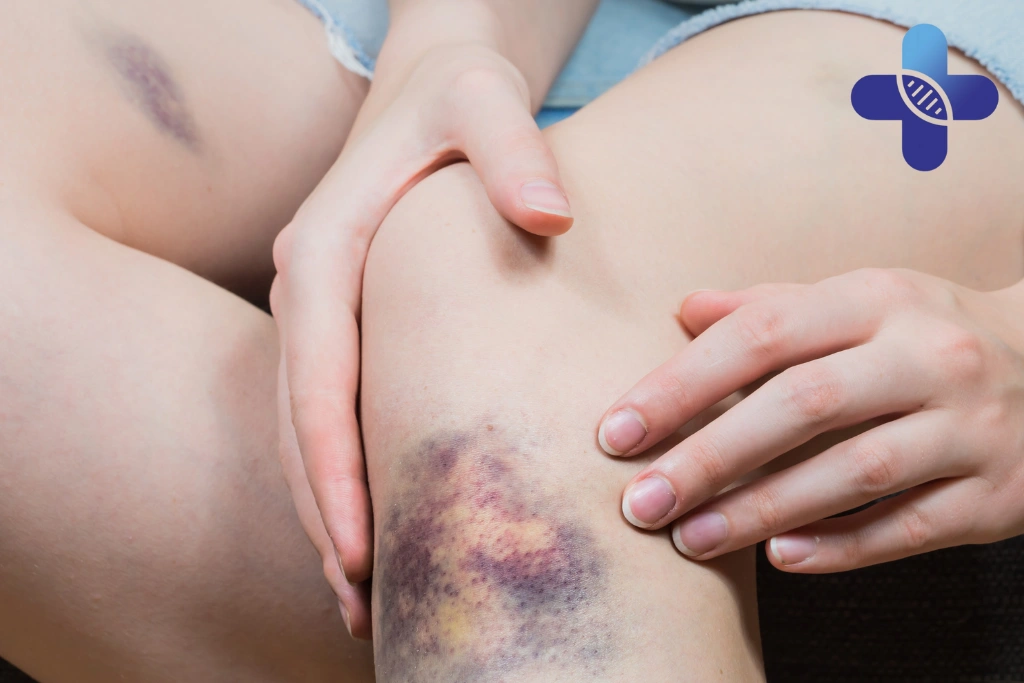
For visitors spending time on the island, everyday skin injuries in Bali often come from routine moments rather than sudden mishaps. Walking between cafés, sitting outdoors, and moving frequently in warm weather can all influence skin integrity. At a Bali Medical Clinic, providers often explain that this is about repeated exposure, not serious injury.
Understanding this shift helps travelers recognize patterns without turning normal travel experiences into health concerns.
What We Mean by “Everyday Activities” While Traveling
When discussing everyday skin injuries in Bali, this usually refers to normal travel habits rather than risky behavior. Daily activities include walking long distances, sitting outdoors, moving between locations, and spending hours in warm environments.
In walkable areas like Sanur, these routines are part of the appeal. A Life Everyouth Bali team may often note that repeated low-level exposure, rather than a single event, is what gradually affects the skin barrier.
How Repetitive Movement and Friction Affect Skin
A key contributor to everyday skin injuries in Bali is repeated movement combined with friction. Shoes, sandals, chair edges, and clothing seams can all rub against the same areas throughout the day.
Friction Builds Gradually
Small amounts of friction may feel insignificant at first. Over time, however, repeated rubbing can thin the outer skin layer and make it more prone to small openings.
Why Movement Matters
Walking, standing, and shifting positions increase contact between skin and surfaces. At a Bali Medical Clinic, it’s often explained that this cumulative effect is why skin can break even without obvious trauma.
Why Tropical Weather Makes Skin More Vulnerable
Tropical conditions play a major role in everyday skin injuries in Bali. Heat increases sweat production, while humidity keeps moisture on the skin for longer periods.
This combination can soften the skin barrier and reduce its resilience. In resort-focused areas such as Jimbaran, travelers may spend long hours outdoors, which a Life Everyouth Bali clinician might describe as constant low-level stress on the skin.
Skin Changes That Are Common and Usually Harmless
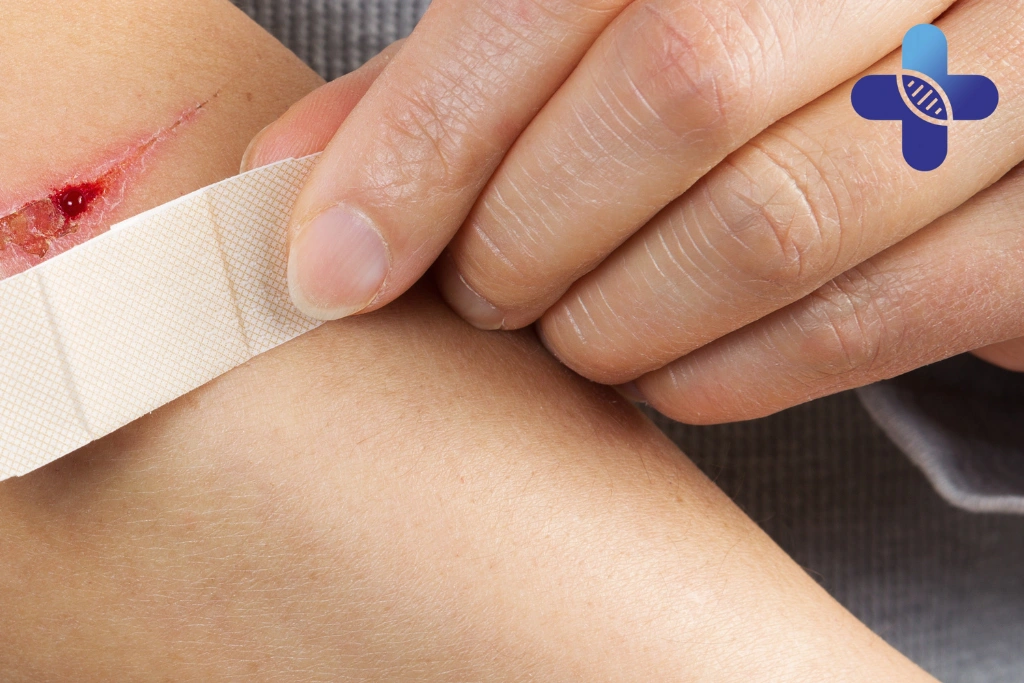
Not every skin change signals a problem. Many everyday skin injuries in Bali are mild and settle on their own with time.
Common, usually harmless changes include:
- Mild cracking or dryness in high-friction areas
- Slight soreness without spreading redness
- Small openings that gradually improve
According to observations shared at a Bali Medical Clinic, these patterns often reflect environmental adaptation rather than injury.
When Repeated Skin Breaks Are Worth Noticing
Paying attention does not mean worrying. With everyday skin injuries in Bali, noticing repetition can be helpful when patterns persist.
You may want to observe more closely if you notice:
- Skin cracking in the same area repeatedly
- Ongoing soreness that doesn’t settle
- Small openings that don’t fully close
In these situations, travelers sometimes seek clarification from Life Everyouth Bali to better understand how daily exposure is affecting their skin.
If repeated skin changes feel uncertain or disruptive, calm guidance through wound care in bali can help clarify what’s normal during daily life in a tropical setting—without urgency or pressure.
Conclusion – Everyday Skin Injuries in Bali Caused by Daily Activities

Everyday activities in Bali can affect the skin more than travelers expect, especially when combined with heat, humidity, and frequent movement. In most cases, these changes are a normal response to a new environment rather than a medical issue. Observing patterns calmly allows travelers to adapt and enjoy their stay with confidence.
You may also want to read our next article on minor skin wounds in Bali, which explains how small breaks in the skin can develop and change over time.
Frequently Asked Questions (FAQ) – Everyday Skin Injuries in Bali Caused by Daily Activities
Can normal daily activities damage skin while traveling?
Yes. Everyday skin injuries in Bali often come from walking, sitting outdoors, and repeated movement rather than accidents. Over time, these small stresses can affect the skin barrier.
Why does skin feel more fragile in Bali?
Heat and humidity soften the skin and increase friction. A Bali Medical Clinic may explain that this makes skin more sensitive to everyday contact.
Does walking a lot increase skin breakdown?
Frequent walking increases friction and pressure on the same skin areas. This is one of the most common contributors to everyday skin injuries in Bali.
Is friction a common cause of skin irritation?
Yes. Repeated rubbing from footwear, chairs, or clothing can gradually weaken the skin. Clinics like Life Everyouth Bali often see this pattern among active travelers.
Are elderly travelers more prone to skin breaks?
Older skin is naturally thinner and less elastic. This makes elderly travelers more susceptible to everyday skin injuries in Bali, even during gentle routines.
Does humidity weaken the skin barrier?
Humidity keeps skin moist, which can reduce its protective strength. This makes small breaks more likely during daily activities.
How can travelers protect their skin during daily activities?
Simple measures such as reducing friction, keeping skin clean and dry, and taking breaks can help. A Bali Medical Clinic can offer practical guidance if needed.
When should repeated skin breaks be checked?
If the same area keeps opening or discomfort persists, seeking clarification can be helpful. Many travelers do this for reassurance rather than treatment.
Are these changes temporary?
In most cases, yes. As the body adapts or routines change, everyday skin injuries in Bali often become less frequent.
Where can travelers ask for skin-related advice in Bali?
Clinics such as Life Everyouth Bali regularly provide guidance for travelers who want clarity about skin changes during their stay.
