
After enjoying nightlife and social activities, some travelers may notice unexpected physical discomfort the next day. In many cases, this can be associated with hangover in bali, especially when alcohol consumption combines with heat and dehydration.
Why Do Travelers Feel Unwell After a Night Out in Bali?
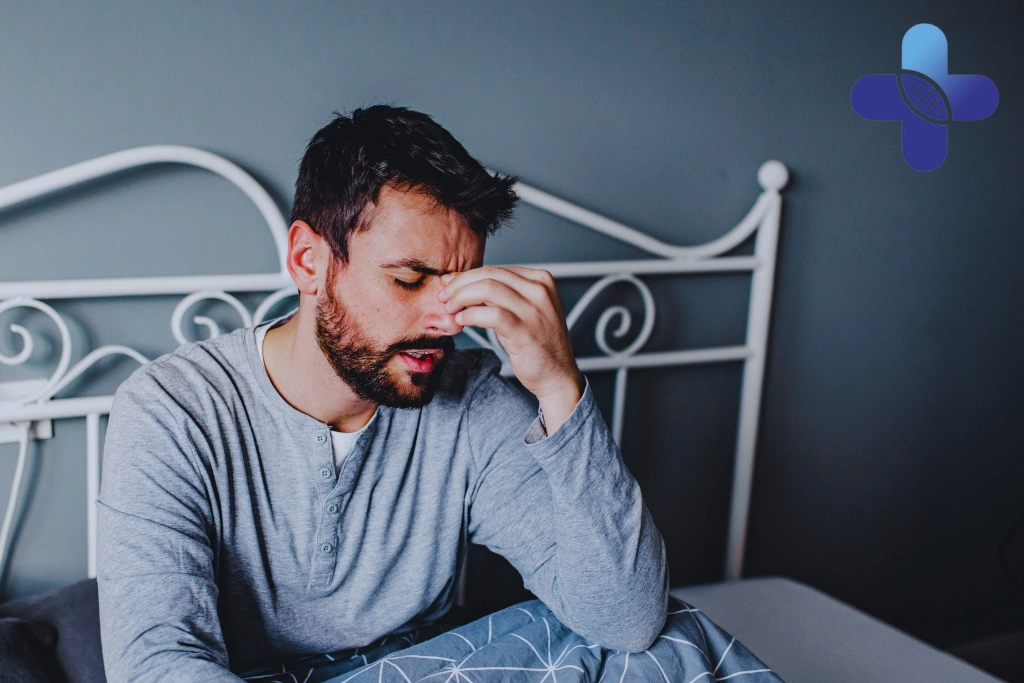
Many travelers come to Bali to enjoy its relaxed atmosphere, beach clubs, and vibrant nightlife. However, it is not uncommon to feel unwell the next day after a night out.
This condition may include fatigue, headache, or mild nausea, often influenced by a combination of travel-related factors rather than just alcohol alone.
Alcohol Affects the Body Differently During Travel
Alcohol can affect the body differently when you are traveling, especially in a destination like Bali.
Changes in routine, sleep patterns, and physical condition can alter how your body processes alcohol. Travelers may consume drinks while already feeling tired from flights or activities, which can intensify the effects.
As a result, what feels manageable at home may feel stronger during a night out in Bali.
Dehydration in Bali’s Tropical Climate
Bali’s tropical environment plays a significant role in how the body reacts after nightlife activities.
The combination of heat and humidity increases fluid loss, and alcohol can further contribute to dehydration. This can lead to symptoms such as:
- Increased thirst
- Dizziness
- Low energy
Whether staying in Sanur or enjoying beach clubs in Canggu, hydration becomes an important factor for overall comfort.
Lack of Sleep After Night Activities
Nightlife often involves staying up late, which can disrupt normal sleep patterns.
Sleep quality may also be reduced after alcohol consumption, making it harder for the body to fully recover. Many travelers continue with daytime activities the next morning, which can worsen feelings of fatigue and discomfort.
Changes in Diet and Routine
Traveling in Bali often comes with changes in eating habits and daily routines.
Meals may be skipped or delayed, and food choices may differ from what the body is used to. Combined with alcohol consumption, this can affect energy levels and overall well-being.
Even dining experiences in Jimbaran or late-night snacks after nightlife can contribute to these changes.
Common Symptoms Travelers May Experience
Travelers who feel unwell after a night out in Bali may notice symptoms such as:
- Headache
- Mild nausea
- Fatigue
- Dizziness
- Difficulty concentrating
These symptoms can vary from person to person depending on hydration, sleep, and overall condition.
When Feeling Unwell May Need Medical Attention
In most cases, these symptoms improve with rest and hydration. However, there are situations where further attention may be needed.
This may include:
- Persistent vomiting
- Inability to drink fluids
- Severe weakness
- Symptoms that do not improve
In such cases, the condition may require medical evaluation in Bali to ensure proper care.
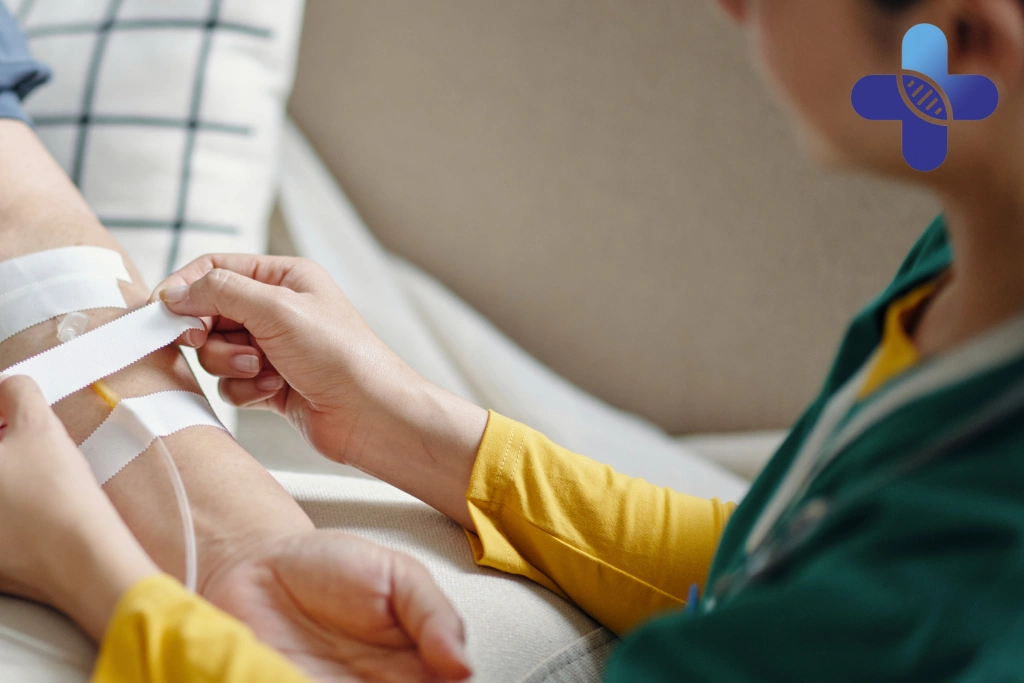
Travelers who want to better understand recovery options after a night out can explore IV Drip Therapy Hangover Relief in Bali.
Conclusion – Feel Unwell After Partying in Bali? Here’s Why

Feeling unwell after a night out in Bali is a common experience and is often influenced by alcohol, dehydration, and changes in routine. By understanding these factors, travelers can take simple steps to support their recovery and enjoy their stay more comfortably.
Frequently Asked Question (FAQ) – Feel Unwell After Partying in Bali? Here’s Why
Why do I feel sick after drinking in Bali?
This may be due to a combination of alcohol, dehydration, and travel fatigue. Clinics like Life Everyouth Bali often explain that tropical conditions can intensify these effects.
Is it normal to feel tired after nightlife in Bali?
Yes, it is quite common. Many travelers visiting a Medical Clinic in Bali report fatigue due to late nights and disrupted sleep patterns.
Can dehydration cause headache after partying?
Yes, dehydration is a common cause of headache. Bali Medical Clinic providers often note that heat and alcohol together increase this risk.
Why does alcohol feel stronger in Bali?
Alcohol may feel stronger due to dehydration, fatigue, and climate. A Medical Clinic Bali setting may help assess how your body is responding during travel.
How long does this feeling last?
Symptoms usually improve within several hours to a day. If symptoms persist, providers like Life Everyouth Bali may suggest further evaluation.
Is this the same as a hangover?
In many cases, yes. However, a Medical Clinic in Bali can help distinguish between hangover, dehydration, and other conditions.
What should I do if I feel unwell after a night out?
Rest, hydrate, and eat light meals. If symptoms persist, Bali Medical Clinic professionals may recommend further support.
When should I see a doctor?
If symptoms are severe or do not improve, it may be time to consult a Medical Clinic Bali provider for evaluation.
Can I prevent feeling unwell after partying?
Staying hydrated, eating properly, and moderating alcohol intake can help. Life Everyouth Bali often emphasizes prevention strategies for travelers.
Where can travelers get help in Bali?
Medical support is available in areas like Sanur and Jimbaran. Clinics such as Life Everyouth Bali or other Medical Clinics in Bali provide support for travelers.
