
Hepatitis B is one of the common diseases travelers and residents may encounter in Bali. As part of the list of common diseases in Bali, it shares risks with illnesses such as Dengue Fever, Rabies, Typhoid, Cholera, and Japanese Encephalitis, posing significant health concerns, particularly for those engaging in activities that involve exposure to bodily fluids. Life Everyouth Bali provides comprehensive medical support, including Hepatitis B vaccination, diagnosis, and treatment to ensure optimal health and prevention for both visitors and residents.
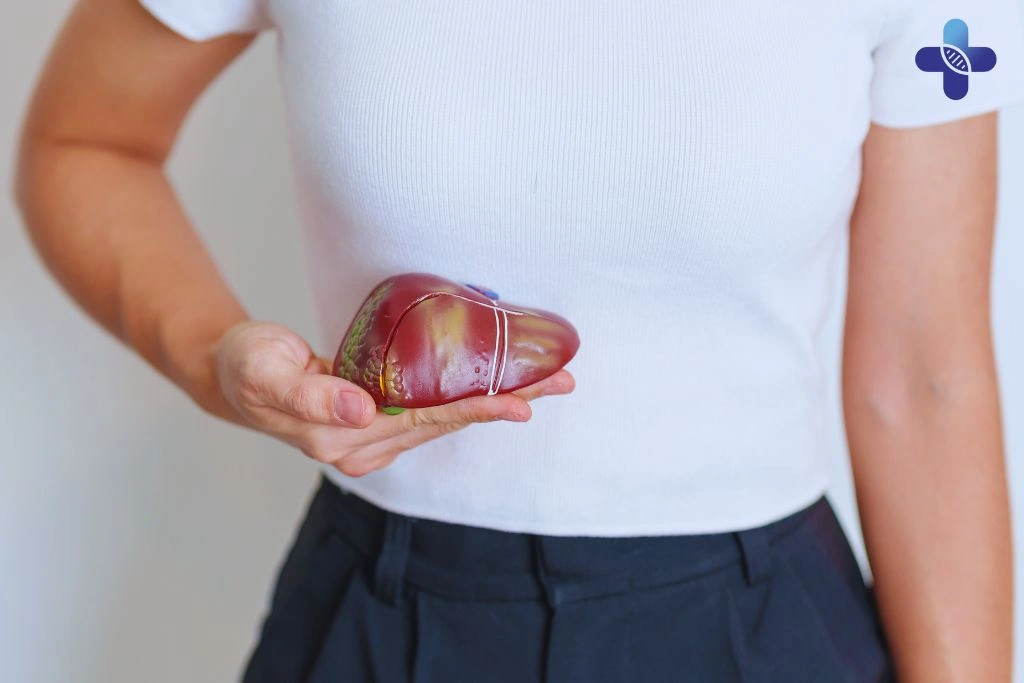
Hepatitis B in Bali: Causes, Symptoms, Prevention Strategies, and Treatment Options
Hepatitis B is a viral infection that affects the liver and is primarily transmitted through blood, unprotected sexual contact, and from mother to child during birth. While it remains a global health concern, proper vaccination and preventive measures can significantly reduce the risk of infection. Travelers and residents in Bali should be aware of transmission risks and take necessary precautions, including vaccination and regular health check-ups. Life Everyouth Bali provides Hepatitis B screening, vaccination, and medical support to help individuals stay protected and manage their health effectively.
Hepatitis B
Hepatitis B is a viral infection that affects the liver and can lead to chronic liver disease if left untreated. It is transmitted through contact with infected bodily fluids, making it a preventable but serious condition. Life Everyouth Bali emphasizes the importance of early detection and vaccination to reduce the risk of infection.
Symptoms of Hepatitis B
Fatigue
Hepatitis B can cause significant and persistent fatigue, making everyday activities feel exhausting. This tiredness may continue even after adequate rest and can affect overall quality of life.
Jaundice
Jaundice is a key sign of liver dysfunction associated with Hepatitis B. It causes the skin and the whites of the eyes to turn yellow due to a buildup of bilirubin in the bloodstream.
Nausea and Vomiting
Many people with Hepatitis B experience ongoing nausea that can interfere with daily comfort. In some cases, this nausea leads to vomiting and a noticeable loss of appetite.
Abdominal Pain
Pain or discomfort in the upper right side of the abdomen is a common symptom caused by liver inflammation. The severity of this pain can range from mild pressure to more persistent discomfort.
Dark Urine
Dark-colored urine is an important indicator of liver distress. It occurs when excess bilirubin is excreted through the urine due to impaired liver function.
Persistent Liver Inflammation
Long-term Hepatitis B infection can result in continuous inflammation of the liver. Without proper management, this ongoing inflammation can contribute to progressive liver damage.
Cirrhosis (Scarring of the Liver)
Chronic Hepatitis B may eventually lead to cirrhosis, a condition marked by permanent scarring of liver tissue. This scarring reduces the liver’s ability to function effectively and regenerate.
Increased Risk of Liver Cancer
Individuals with chronic Hepatitis B face a higher risk of developing liver cancer. This risk is linked to prolonged liver inflammation and repeated cellular damage over time.
Early diagnosis plays a critical role in preventing serious complications of Hepatitis B. Life Everyouth Bali provides rapid Hepatitis B testing to support timely treatment and appropriate long-term management.
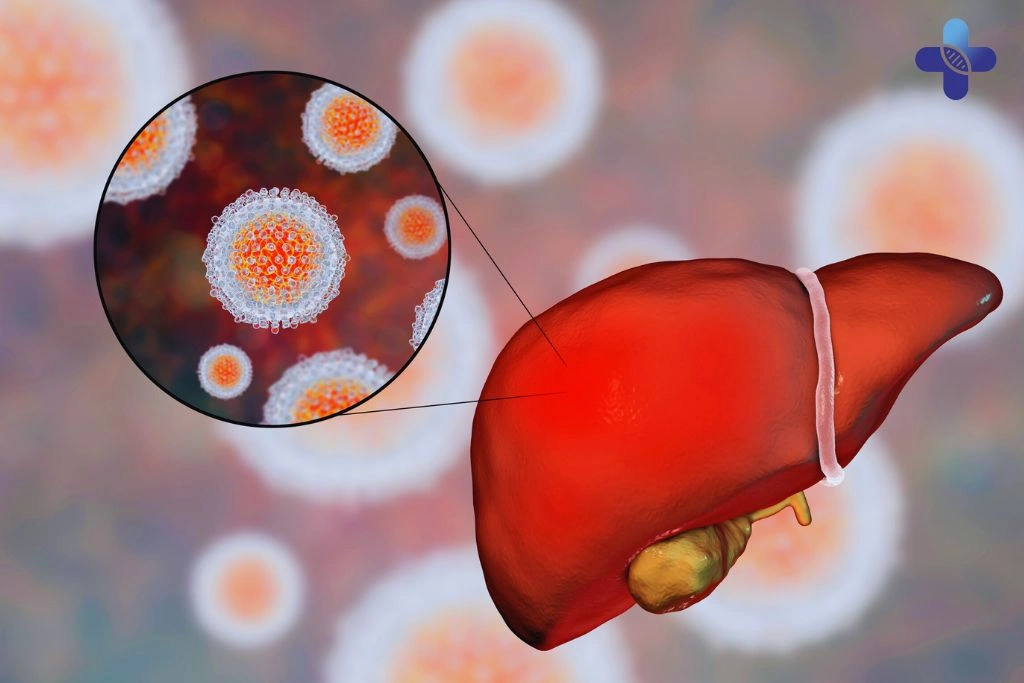
How Is Hepatitis B Transmitted?
Hepatitis B is transmitted through contact with infected blood, semen, or other bodily fluids. The virus enters the body through broken skin or mucous membranes, making certain activities higher risk than others.
Unprotected Sexual Contact
Engaging in unprotected sexual intercourse with an infected person significantly increases the risk of Hepatitis B transmission. Consistent condom use greatly reduces exposure to infected bodily fluids and lowers transmission risk.
Sharing Needles or Syringes
Using shared needles or syringes, particularly during intravenous drug use, is a major route of Hepatitis B transmission. Contaminated needles used in medical or non-medical settings can directly introduce the virus into the bloodstream.
Unsterile Tattoo or Piercing Equipment
Tattoos or piercings performed with non-sterile equipment can expose individuals to infected blood. This risk is higher in facilities that do not follow strict hygiene and sterilization standards.
Mother-to-Child Transmission
Hepatitis B can be transmitted from an infected mother to her baby during childbirth. Prompt vaccination and appropriate medical care at birth can effectively prevent this form of transmission.
To reduce transmission risks, Life Everyouth Bali encourages both travelers and residents to maintain proper hygiene and consider Hepatitis B vaccination before engaging in any high-risk activities.
Hepatitis B Prevention in Bali
Preventing Hepatitis B is especially important for travelers, long-term residents, and families living in Bali. Simple preventive measures combined with vaccination can significantly reduce the risk of infection.
Get Vaccinated
Vaccination is the most effective and reliable way to prevent Hepatitis B infection. Life Everyouth Bali provides safe and medically approved Hepatitis B vaccinations for travelers and long-term residents.
Practice Safe Hygiene
Maintaining good personal hygiene helps limit exposure to infected bodily fluids. Washing hands properly and avoiding contact with blood or open wounds reduces infection risk.
Avoid Sharing Personal Items
Personal items such as razors, toothbrushes, and nail clippers can carry microscopic traces of infected blood. Sharing these items increases the likelihood of virus transmission.
Use Protection During Intimate Contact
Practicing safe sex by using condoms helps prevent the spread of Hepatitis B through sexual fluids. This is particularly important for individuals with multiple partners or unknown partner health status.
Ensure Sterile Medical and Cosmetic Procedures
Before undergoing any medical, dental, tattoo, or cosmetic procedure, it is important to confirm that sterile equipment is used. Proper sterilization significantly lowers the risk of blood-borne infections.
Regular Screening and Testing
Early testing is essential if there is any concern about potential exposure to Hepatitis B. Life Everyouth Bali offers reliable Hepatitis B screening with prompt and confidential results to support early diagnosis and care.

Treatment Options for Hepatitis B in Bali
Although there is currently no cure for Hepatitis B, appropriate treatment can help control the virus and reduce the risk of serious liver complications. The treatment approach depends on the stage of infection and overall liver health, and Life Everyouth Bali provides comprehensive care tailored to individual needs.
Antiviral Medication
Antiviral medications are prescribed to help suppress viral replication and slow the progression of liver damage. These treatments can significantly reduce the risk of complications such as cirrhosis and liver cancer when taken consistently under medical supervision.
Regular Liver Function Monitoring
Ongoing monitoring of liver function is essential for individuals with Hepatitis B. Regular blood tests and follow-up consultations help detect changes early and guide timely adjustments to treatment plans.
Supportive Care for Symptom Relief
Supportive care focuses on managing symptoms and maintaining overall well-being. This may include dietary guidance, lifestyle modifications, and strategies to reduce liver strain and improve daily quality of life.
Tips for Staying Healthy in Bali
Maintaining good health while living in or visiting Bali requires awareness and preventive measures, especially for infectious diseases. Simple precautions combined with medical guidance can significantly reduce health risks.
Get Vaccinated Before Traveling
Vaccination remains the most effective way to prevent Hepatitis B infection. Life Everyouth Bali offers safe and reliable Hepatitis B vaccinations that provide long-term protection for travelers and long-term residents.
Avoid Direct Contact with Bodily Fluids
Reducing exposure to blood, saliva, and other bodily fluids plays a crucial role in preventing Hepatitis B transmission. Practicing proper hygiene and using protective measures helps minimize unnecessary risks.
Choose Reputable Medical Clinics
All medical procedures should be performed at certified and well-reviewed healthcare facilities. Clinics such as Life Everyouth Bali prioritize strict hygiene standards, patient safety, and professional medical care.
Stay Informed About Common Diseases in Bali
Understanding common health risks in Bali, including Hepatitis B, Dengue Fever, and Typhoid, allows travelers and residents to take proactive preventive steps. Life Everyouth Bali provides up-to-date medical advice, vaccinations, and treatment options to support a safe and healthy stay on the island.
Book your Hepatitis B STD testing services in Bali with Life Everyouth Bali today for fast, confidential results and professional medical care you can trust.
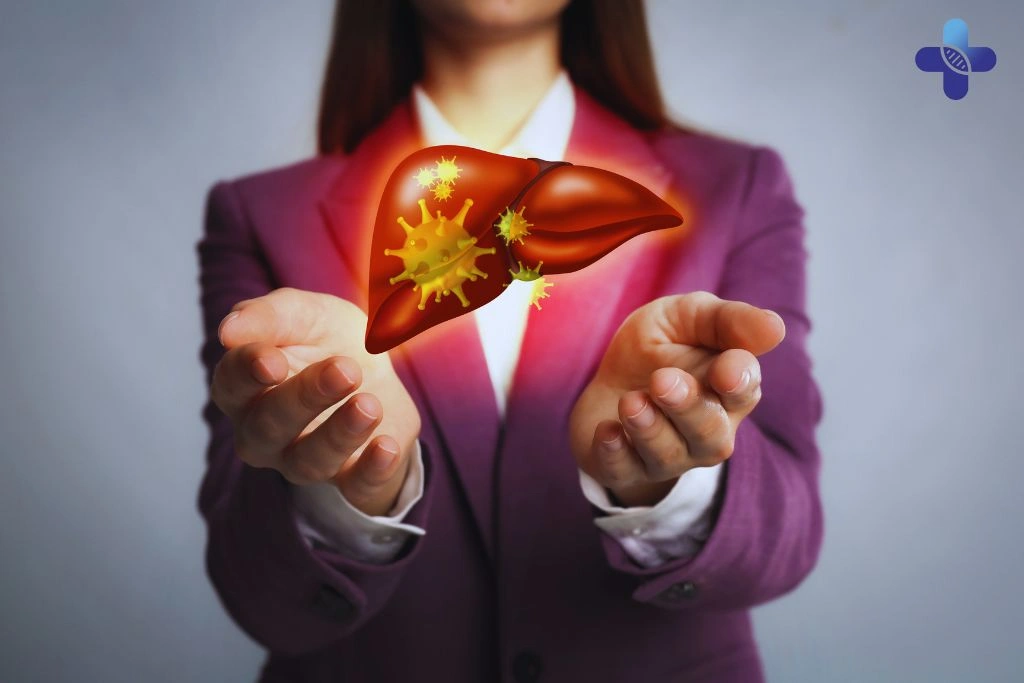
Conclusion of Hepatitis B in Bali: Prevention & Treatment
Hepatitis B is a serious yet highly preventable disease, and taking proactive health measures is essential for anyone living in or visiting Bali. With timely vaccination, early testing, and proper medical management, the risk of long-term liver complications can be significantly reduced. Life Everyouth Bali provides comprehensive Hepatitis B services, including prevention, diagnosis, and treatment, to support travelers and long-term residents alike. Prioritizing prevention and early detection remains the most effective way to maintain long-term health and peace of mind while staying in Bali.
Frequently Asked Questions (FAQs) of Hepatitis B in Bali: Prevention & Treatment
What is Hepatitis B, and how does it affect the body?
Hepatitis B is a viral infection that primarily attacks the liver, causing inflammation that can lead to serious complications such as chronic liver disease, cirrhosis, and liver cancer. The virus spreads through infected blood and bodily fluids, including unprotected sexual contact, sharing contaminated needles, and medical procedures using unsterilized equipment. While some individuals recover naturally, others may develop chronic Hepatitis B, requiring long-term medical management. Life Everyouth Bali offers Hepatitis B vaccinations, early detection tests, and supportive treatment to help prevent serious health risks associated with this virus.
How can I prevent Hepatitis B while traveling in Bali?
The most effective way to prevent Hepatitis B is through vaccination, which is available at Life Everyouth Bali. The vaccine provides long-term immunity and is recommended for all travelers visiting regions where the virus is present. Additionally, practicing safe hygiene by avoiding unsterilized needles, razors, or tattooing equipment is crucial. Since the virus is also transmitted through bodily fluids, using protection during intimate contact significantly reduces the risk of infection. Travelers should also ensure any medical or dental procedures are performed in reputable clinics that adhere to strict hygiene standards.
What are the early warning signs of Hepatitis B?
Early symptoms of Hepatitis B can be mild or even undetectable, making regular screening essential. Common warning signs include fatigue, jaundice (yellowing of the skin and eyes), nausea, vomiting, abdominal pain, loss of appetite, and dark-colored urine. Some individuals may experience joint pain or flu-like symptoms, which can be mistaken for other illnesses. Since some cases of Hepatitis B show no immediate symptoms, it is important to undergo regular screening at Life Everyouth Bali to ensure early detection and timely medical intervention.
How is Hepatitis B diagnosed?
Hepatitis B is diagnosed through a blood test that detects the presence of the Hepatitis B surface antigen (HBsAg) and antibodies in the bloodstream. This test helps determine whether the infection is acute or chronic. At Life Everyouth Bali, we provide fast and accurate Hepatitis B testing, ensuring that patients receive the right diagnosis and medical guidance. Our clinic also offers liver function tests to monitor any potential liver damage and assess the need for treatment.
Can Hepatitis B be treated?
While there is no complete cure for Hepatitis B, antiviral medications can help manage symptoms, reduce liver inflammation, and slow the progression of the disease. Treatment varies depending on whether the infection is acute or chronic. At Life Everyouth Bali, we offer personalized treatment plans, including liver function monitoring, nutritional guidance, and antiviral therapy for patients with chronic Hepatitis B. Early medical intervention can prevent liver damage and improve long-term health outcomes.
How long does the Hepatitis B vaccine last?
A full Hepatitis B vaccination series provides long-term protection, often lasting a lifetime. However, in some cases, a booster dose may be needed to maintain immunity, especially for individuals at high risk of exposure. If you are unsure whether you need a booster shot, Life Everyouth Bali offers antibody testing to check your immunity levels and provide the necessary vaccinations if required.
Is Hepatitis B contagious through casual contact?
No, Hepatitis B is not transmitted through casual contact, such as hugging, sharing food, shaking hands, or using the same utensils. The virus spreads only through infected blood, semen, vaginal fluids, or other bodily fluids. This means that unprotected sexual contact, sharing needles, or exposure to contaminated medical tools pose the highest risk of transmission. Practicing safe health habits and ensuring proper hygiene can effectively prevent the spread of the virus.
Can I get a Hepatitis B test in Bali?
Yes, Life Everyouth Bali offers reliable Hepatitis B testing with quick results. Whether you need a routine health check-up, pre-travel screening, or suspect exposure, our clinic provides comprehensive Hepatitis B tests to help you stay informed about your health status. Our experienced medical team will guide you through the next steps based on your test results.
What should I do if I suspect exposure to Hepatitis B?
If you believe you have been exposed to Hepatitis B, it is crucial to seek immediate medical attention at Life Everyouth Bali. In some cases, post-exposure prophylaxis (PEP), which includes Hepatitis B immunoglobulin (HBIG) and the Hepatitis B vaccine, can be administered to reduce the risk of infection. The sooner you receive treatment, the better your chances of preventing long-term complications. Our medical team provides urgent testing, counseling, and personalized treatment options to ensure the best possible outcome.
Is Hepatitis B common in Bali?
While Hepatitis B is not widespread in Bali, there is still a risk of exposure, particularly for individuals who undergo medical treatments, dental procedures, tattooing, or engage in unprotected sexual activity. The best way to protect yourself is through vaccination at Life Everyouth Bali and by following safe health practices. Travelers should also be cautious when seeking medical or cosmetic procedures, ensuring they are performed in hygienic and reputable facilities.
