
Bali’s heat has a way of masking things. A pounding head or a dizzy spell can feel like simple sun fatigue — but for some travelers, it may be worth a closer look. Understanding high blood pressure symptoms bali travelers sometimes notice can help tell the difference, and know when it’s time to consult an internist in Bali.
High Blood Pressure Symptoms You Might Be Ignoring in Bali’s Heat
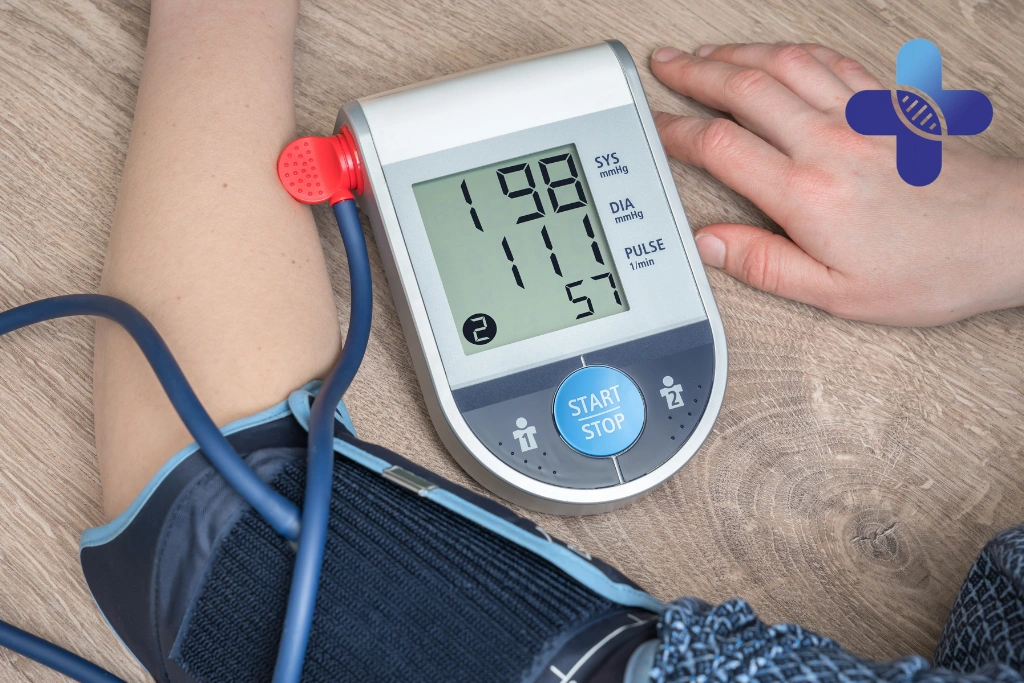
A headache that lingers longer than expected. A flushed face after a walk in the midday sun. A moment of dizziness getting up from a beach chair.
In Bali’s heat and humidity, it’s easy to assume these are simply part of adjusting to the climate. For some readers — particularly those with a personal or family history of hypertension — the same sensations can also be related to blood pressure.
This article is about telling the two apart, not assuming the worst.
How Heat and Humidity Can Affect Blood Pressure
Heat and humidity affect the body’s circulation and hydration status, which can influence how blood pressure feels day to day.
Some people notice blood pressure symptoms more in heat, while heat itself can also cause similar sensations — fatigue, light-headedness — independent of blood pressure. Climate is a variable worth factoring in, not a cause to fear.
Symptoms That Are Easy to Mistake for Heat Fatigue
Symptoms Worth Paying Attention To
- headaches, particularly ones that feel different from a typical sun headache or don’t ease with water and rest
- dizziness or lightheadedness, especially when standing up or after time in the heat
- a flushed face that feels different from ordinary sun flush — persistent or paired with other symptoms
- mild chest discomfort, even if brief or easy to dismiss
These symptoms have many possible explanations — heat, dehydration, travel fatigue, or blood pressure among them. A description alone can’t tell the difference; only a proper check can.
Who Should Be More Cautious About Blood Pressure in Bali
Those with a personal or family history of hypertension, older expats and long-stay travelers, and anyone managing other health conditions all have reason to be a little more attentive here.
The same goes for anyone already diagnosed with hypertension who’s now navigating a much hotter climate than they may be used to. For more on staying on top of an existing diagnosis, chronic disease management while living abroad covers that in depth.
When Blood Pressure Symptoms Need Prompt Evaluation

Symptoms that are recurring rather than one-off, or worsening over time, are worth having checked. The same goes for mild chest discomfort that persists or recurs — for more on that specific thread, chest discomfort and palpitations in Bali covers it separately.
Any of the above happening to someone with a known history of hypertension is also worth a prompt look. This is about getting evaluated, not panicking — for sudden, severe symptoms, Doctor On Call is the appropriate first step.
What Ongoing Blood Pressure Management Looks Like With an Internist
An internist reviews history and takes a proper blood pressure assessment as part of a broader consultation, using on-site diagnostics — blood work, ECG, urine analysis — where relevant.
For an existing or newly identified concern, that also means ongoing chronic disease management for hypertension, rather than a single isolated reading.
Accessing Internist Care in Sanur or Jimbaran
Life Everyouth Bali’s board-certified internist is available by appointment at the Sanur clinic (Jl. Danau Toba No.10b, Denpasar Selatan) and the Jimbaran clinic (Jl. Uluwatu II No.10X), both open 24 hours.
English and Indonesian speaking staff are on hand, and most major travel insurance is accepted, with medical reports and invoices provided for claims — practical whether you’re near Sanur Beach, Mertasari, and Sindhu, or Jimbaran, Ungasan, Pecatu, and Benoa.
Speak With an Internist in Bali
Readers noticing recurring headaches, dizziness, flushed skin, or mild chest discomfort in Bali’s heat — especially those with a personal or family history of hypertension — can book directly with Life Everyouth Bali’s board-certified internist in Bali in Sanur or Jimbaran for a proper check.
Conclusion – High Blood Pressure Symptoms You Might Be Ignoring in Bali’s Heat

Bali’s heat can make ordinary sensations harder to read. A headache, a dizzy spell, or a flushed face doesn’t automatically mean high blood pressure — but it doesn’t rule it out either.
For travelers and expats, especially those with a personal or family history of hypertension, a proper check with an internist in Bali is the clearest way to know what’s going on, and to build an ongoing plan if needed.
Frequently Asked Questions (FAQs) – High Blood Pressure Symptoms in Bali’s Heat
Can Bali’s heat make high blood pressure symptoms worse?
Heat and humidity can affect circulation and hydration, which may influence how blood pressure–related symptoms feel day to day. A proper evaluation is the only way to know what’s actually behind a specific symptom.
What blood pressure symptoms should not be ignored while traveling?
Recurring or worsening headaches, dizziness, a flushed face that doesn’t settle, and mild chest discomfort are worth paying attention to — particularly with a personal or family history of hypertension.
Should I get my blood pressure checked even if I feel fine in Bali?
Yes, particularly with a personal or family history of hypertension. Blood pressure changes aren’t always accompanied by noticeable symptoms, so a check-up during a longer stay can offer useful peace of mind.
Can dehydration in a hot climate affect blood pressure readings?
Hydration status can influence how the body responds to heat, and can be a relevant factor in how blood pressure–related symptoms present. This is part of why a proper consultation is useful.
How does an internist manage high blood pressure for someone staying in Bali long-term?
An internist provides ongoing chronic disease management for hypertension, including monitoring and on-site diagnostics, with adjustments to a treatment plan across a longer stay — not a single one-off reading.
How do I book an appointment with an internist in Bali for a blood pressure concern?
Appointments are made in advance via WhatsApp (+62 858 8788 8911), with English and Indonesian speaking staff available to help arrange a visit at either the Sanur or Jimbaran clinic.
What happens during a first consultation for blood pressure symptoms?
A new patient consultation typically runs 30-45 minutes, covering your history and symptoms, plus an assessment that can include on-site diagnostics like blood work, ECG, or urine analysis.
Does travel insurance cover an internist consultation in Bali?
Most major travel insurance is accepted, and medical reports and invoices can be provided afterward to support a claim. It’s worth checking your specific policy’s terms beforehand.
How much does a blood pressure consultation with an internist cost in Bali?
Fees vary depending on case complexity and what the consultation involves, so there isn’t a single fixed price. Details can be discussed when arranging an appointment.
What should I do about severe blood pressure symptoms outside clinic hours?
For sudden, severe symptoms, Doctor On Call is the appropriate first step for urgent or after-hours situations, rather than booking a specialist consultation.
