
Rabies remains a public health concern in Bali, particularly due to the presence of stray dogs and frequent interaction with animals such as monkeys in tourist areas. Cases of rabies in Bali continue to be reported, making awareness especially important for travelers.
While many encounters may seem harmless, bites and scratches can happen unexpectedly—especially in outdoor attractions, temples, or beaches. Even minor wounds can carry a risk if not treated properly.
Because rabies is almost always fatal once symptoms appear, understanding the correct treatment steps is essential for travelers in Bali.
Human Rabies Immunoglobulin (HRIG) in Bali: What Travelers Should Know
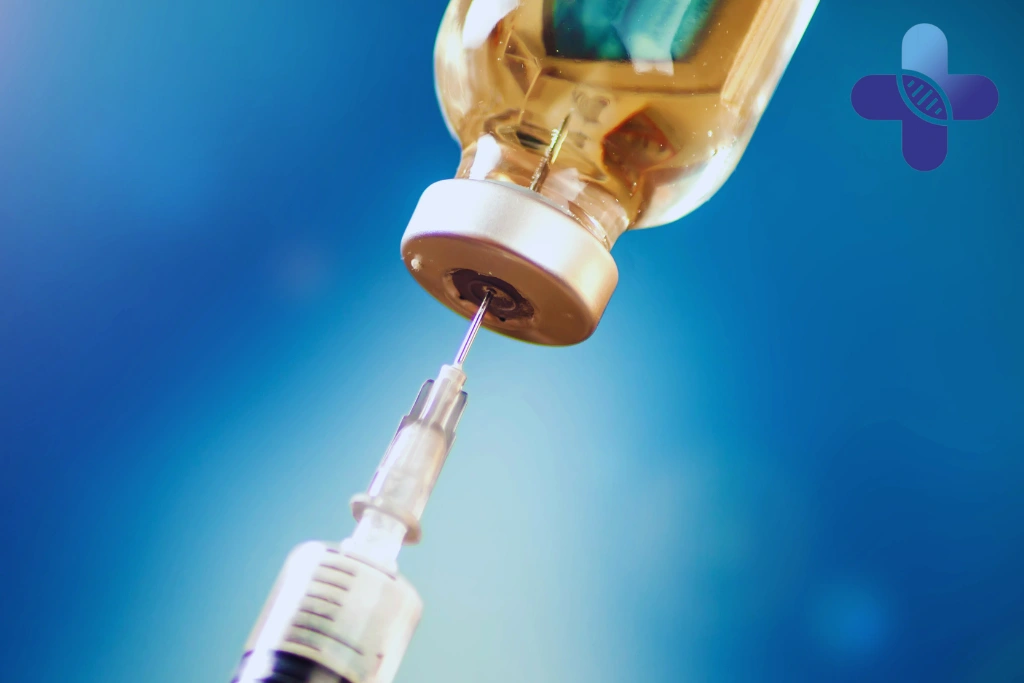
Urgent Rabies Protection Guide
Animal bites can happen at any time during your trip in Bali.
Whether it’s a monkey in Ubud or a stray dog near your hotel, even a small bite or scratch should never be ignored.
In certain high-risk cases, treatment involves not only the rabies vaccine but also Human Rabies Immunoglobulin (HRIG) for immediate protection.
This guide will help you understand when HRIG is needed, how it works, and what to do after a potential rabies exposure in Bali.
When an Animal Bite Becomes a Serious Risk
Many travelers assume that only severe or painful bites are dangerous.
In reality, rabies transmission depends on how the virus enters the body—not how large the wound looks.
You may be at risk if:
- The skin is broken, even slightly
- There is bleeding
- The wound is deep or hard to clean
- The bite is on the face, neck, or hands
Additionally, rabies can be transmitted when infected saliva comes into contact with open wounds or mucous membranes such as the eyes or mouth.
Without proper treatment, the virus can travel through the nervous system and eventually affect the brain.
This is why early and complete rabies post exposure treatment Bali is critical.
What Is Human Rabies Immunoglobulin (HRIG)
Human Rabies Immunoglobulin (HRIG) is a biological treatment that contains ready-made antibodies against the rabies virus.
It is used in high-risk exposure cases as part of rabies emergency treatment Bali.
Unlike the rabies vaccine, which takes time to stimulate your immune system, HRIG provides immediate passive protection.
This means:
- It starts working right away
- It helps neutralize the virus at the entry point
- It protects your body during the early stage of exposure
HRIG is especially important in the first days after a bite, before your body can respond to the vaccine.
When Is HRIG Needed After an Animal Bite
Medical professionals classify rabies exposure into three categories:
Category I (No Risk)
- Touching or feeding animals
- No skin break
➡️ No treatment needed
Category II (Moderate Risk)
- Minor scratches
- Superficial wounds without bleeding
➡️ Rabies vaccine is recommended
Category III (High Risk)
This includes:
- Deep bite wounds
- Bleeding injuries
- Bites on the face, head, neck, or hands
- Saliva exposure to open wounds
- Contact with eyes, nose, or mouth
➡️ HRIG + rabies vaccine required
In these cases, human rabies immunoglobulin Bali becomes essential.
Why HRIG Is Important in Severe Exposure

A common misconception is that the rabies vaccine alone is enough.
While the vaccine is crucial, it does not provide immediate protection. Your body needs time to build immunity.
During this period, the virus can still spread.
HRIG helps bridge this gap by:
- Providing instant antibodies
- Acting directly at the wound site
- Reducing early infection risk
For high-risk exposure, combining HRIG with the vaccine offers the best protection.
How HRIG Is Given
HRIG must be administered by trained medical professionals.
The process usually involves:
- Cleaning and assessing the wound
- Injecting HRIG directly into and around the wound
- Adjusting dosage based on body weight
If there are multiple wounds, the injection is distributed accordingly.
HRIG is typically given only once, at the start of treatment.
Availability of HRIG in Bali
Not all clinics in Bali provide HRIG due to its specific storage requirements and limited availability.
Travelers usually find HRIG treatment in:
- Sanur
- Jimbaran
- Major tourist areas
Clinics such as Life Everyouth Bali and other medical clinic Bali providers may offer complete rabies treatment, including HRIG.
Because availability is limited, it is important to seek care immediately after a high-risk bite.
What Travelers Should Do After a High-Risk Bite
Immediate action can significantly reduce your risk.
If you experience a bite or scratch:
- Wash the wound with soap and running water for at least 15 minutes
- Apply antiseptic if available
- Do not ignore even small wounds
- Seek medical attention immediately
- Get evaluated for rabies exposure category
- Follow the recommended treatment plan
Early treatment can prevent serious complications.
Don’t Wait After a High-Risk Animal Bite
Rabies is preventable—but only if treated early.
Even a minor bite can become serious without proper care. Getting evaluated quickly ensures you receive the right treatment, including HRIG if needed.
If you’ve experienced an animal bite during your stay in Bali, don’t delay. You can learn more about available options through our Rabies Vaccine & HRIG Treatment in Bali service.
Conclusion – Human Rabies Immunoglobulin Bali: Traveler Guide

Human Rabies Immunoglobulin (HRIG) is a critical part of rabies treatment for high-risk exposure.
It works together with the rabies vaccine to provide both immediate and long-term protection—especially in cases involving deep wounds, bleeding, or sensitive areas.
By understanding when HRIG is needed, travelers in Bali can respond quickly and make informed decisions after an animal bite.
In emergency situations, timely treatment can make all the difference.
Conclusion – HRIG in Bali: Rabies Immunoglobulin Guide for Travelers
What is human rabies immunoglobulin (HRIG)?
HRIG is a treatment that provides immediate antibodies against the rabies virus. It is used in high-risk exposure cases to give early protection before the vaccine starts working. This is an important part of rabies post-exposure treatment in Bali.
When is HRIG needed after a bite?
HRIG is recommended for Category III exposures, such as deep or bleeding wounds, bites on sensitive areas, or saliva contact with open wounds. If you’re unsure about your case, it’s best to get evaluated by a medical professional in Bali as soon as possible.
Is HRIG the same as the rabies vaccine?
No, they serve different purposes. HRIG provides immediate protection, while the rabies vaccine helps your body build long-term immunity. In high-risk cases, both are usually needed together for full protection.
How soon should HRIG be given?
HRIG should be given as soon as possible after exposure, ideally during your first medical visit. Early treatment is important to reduce the risk of the virus spreading.
Is HRIG necessary for all animal bites?
No, HRIG is only needed for high-risk exposures. However, many travelers are unsure about their risk level, so a proper medical assessment in Bali is strongly recommended after any bite or scratch.
Where can travelers get HRIG in Bali?
HRIG is available in selected medical clinics in Bali, particularly in areas like Sanur, Jimbaran, and other main tourist locations. Because not all clinics carry HRIG, it’s important to seek care quickly at a qualified provider.
Is HRIG painful?
You may feel some discomfort during the injection, especially around the wound area. However, the procedure is generally quick, and medical professionals aim to make it as comfortable as possible.
Can HRIG be given after a vaccine?
Yes, but it is most effective when given at the beginning of treatment. If there has been a delay, a doctor in Bali can still assess whether HRIG is appropriate for your situation.
Do children need HRIG after a bite?
Yes. Children follow the same treatment guidelines as adults for high-risk exposure. Prompt medical care is especially important for children to ensure proper protection.
How can travelers access HRIG treatment in Bali?
Travelers can visit a medical clinic in Bali that provides rabies post-exposure treatment. If you’ve had a bite or scratch, it’s best not to wait—seek medical attention immediately to determine if HRIG is needed.
