
Many travelers arrive in Bali with only minor cuts or scrapes that initially feel insignificant. After a few days, however, minor skin wounds in Bali may start to look or feel slightly different than expected. These experiences are commonly seen as part of common wounds in Bali, where tropical humidity, warmth, and daily movement can subtly change how small skin wounds behave.
You can read our previous article on everyday skin injuries in Bali to understand how routine activities can quietly affect the skin during travel.
When Minor Skin Wounds in Bali Start Showing Changes
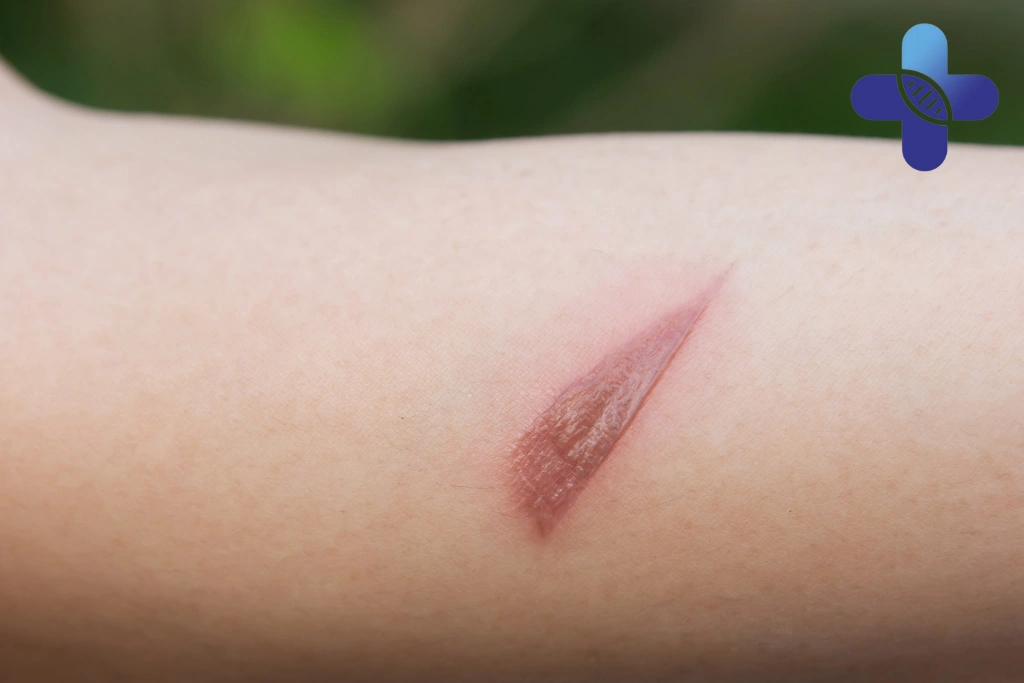
For visitors spending time in Bali, minor skin wounds in Bali often don’t follow the same healing pattern they’re used to at home. A cut that seemed ordinary at first may begin to look redder, feel more tender, or stay moist longer. Clinics such as a Medical Clinic Bali often explain that noticing these changes is part of becoming aware of how the tropical environment affects healing—not a sign of emergency.
What Counts as a “Minor Skin Wound” for Travelers
For most travelers, minor skin wounds in Bali include small cuts, scrapes, or superficial skin breaks that do not limit movement or cause significant pain. These often come from walking, footwear friction, or everyday activities rather than accidents.
In walkable areas like Sanur and resort-focused neighborhoods such as Jimbaran, these small wounds are common simply because travelers spend more time outdoors. At Life Everyouth Bali, such wounds are generally described as manageable and expected during active travel.
Common Changes Travelers Start to Notice
As days pass, travelers with minor skin wounds in Bali may begin to notice subtle changes. These changes usually appear gradually rather than suddenly.
Common observations include:
- The wound looks redder than before
- The area feels more tender to touch
- The skin surface stays moist longer than expected
A Medical Clinic in Bali often reassures travelers that these changes reflect skin adaptation to climate and activity rather than immediate medical concerns.
Why These Changes Can Happen in Tropical Environments
The tropical setting plays a major role in how minor skin wounds in Bali evolve. Heat increases blood flow to the skin, while humidity slows evaporation and drying.
Climate and Moisture Exposure
Constant warmth and moisture can delay the surface-closing phase of healing. This makes small wounds appear unchanged for longer, even when deeper healing is progressing.
Daily Activity and Movement
Walking, light exercise, and repetitive motion can place mild stress on healing skin. In areas like Sanur and Jimbaran, this level of daily movement is normal and often explains why changes appear more noticeable during travel, as explained by Life Everyouth Bali.
Changes That Are Often Still Within Normal Range

Not every change means something is wrong. Many minor skin wounds in Bali heal more slowly while still following a normal course.
It’s common for small wounds to remain slightly red, mildly tender, or slow to dry for several days. According to guidance often shared at a Medical Clinic Bali, gradual stability or improvement matters more than speed when healing in a tropical climate.
Changes That Are Reasonable to Pay Attention To
While most changes are harmless, paying attention to patterns can be helpful. For minor skin wounds in Bali, closer observation may be reasonable if:
- Redness slowly spreads beyond the wound
- Discomfort increases after several days
- The skin surface does not begin closing as expected
At this stage, some travelers seek clarification at a Medical Clinic in Bali not because the wound is serious, but to better understand whether healing is progressing normally in a tropical environment.
If a minor skin wound feels uncertain or changes aren’t settling, calm guidance through wound care in bali can help clarify what’s still normal and what may need a closer look—without urgency or pressure.
Conclusion – Minor Skin Wounds in Bali: When Small Changes Start to Appear

When minor skin wounds in Bali start showing changes, it’s often a reflection of climate, humidity, and daily activity rather than a medical issue. Observing these patterns helps travelers make informed decisions without panic. Paying attention is part of good travel health—not a sign that something is wrong.
You may also want to read our next article on small cuts becoming painful in Bali, which explains why minor wounds can start to feel more uncomfortable in a tropical climate.
Frequently Asked Questions (FAQ) – Minor Skin Wounds in Bali: When Small Changes Start to Appear
What is considered a minor skin wound while traveling?
Minor skin wounds include small cuts, scrapes, or superficial skin breaks that do not significantly affect movement or daily activities. In minor skin wounds in Bali, these are often related to walking, footwear, or routine outdoor exposure.
Why do small wounds change appearance in Bali?
Heat, humidity, and increased activity can all affect how wounds look and feel. Clinics like Life Everyouth Bali often explain that these environmental factors slow drying and increase skin sensitivity.
Is slow healing always a problem?
No. Many minor skin wounds in Bali heal more slowly without becoming problematic. Gradual improvement is usually more important than quick healing.
How long should minor wounds normally take to improve?
Minor wounds often show some improvement within several days, but tropical climates can extend this timeline. A Medical Clinic Bali may advise observing trends rather than exact timing.
Does humidity affect wound healing?
Yes. Humidity keeps skin moist longer, which can delay surface healing. This is a common reason wounds behave differently during travel.
When should travelers start paying attention to changes?
Attention becomes useful when changes increase rather than stabilize. Persistent redness, tenderness, or moisture may justify closer observation.
Are these changes common among tourists?
Very common. Clinics such as Life Everyouth Bali frequently see travelers with similar concerns during their stay.
Can daily activity delay healing?
Yes. Walking, standing, and repeated movement can stress healing skin, especially on the feet and lower legs.
When is medical advice reasonable for small wounds?
Medical advice can be helpful if a wound continues to worsen or causes uncertainty. Many travelers seek reassurance rather than treatment.
Where can travelers get wound guidance in Bali?
Travelers can consult clinics such as Life Everyouth Bali, which regularly provide guidance on minor skin wounds in a tropical travel context.
