
Monkey Forest Ubud health risks are usually related to close animal contact, especially when a monkey bite, scratch, or saliva exposure breaks the skin. For broader guidance on animal exposure, wound care, and prevention, travelers can review Rabies in Ubud before deciding whether medical care may be needed.
Monkey Forest Ubud Health Risks: What Tourists Should Know About Monkey Bites, Scratches, and Rabies Awareness
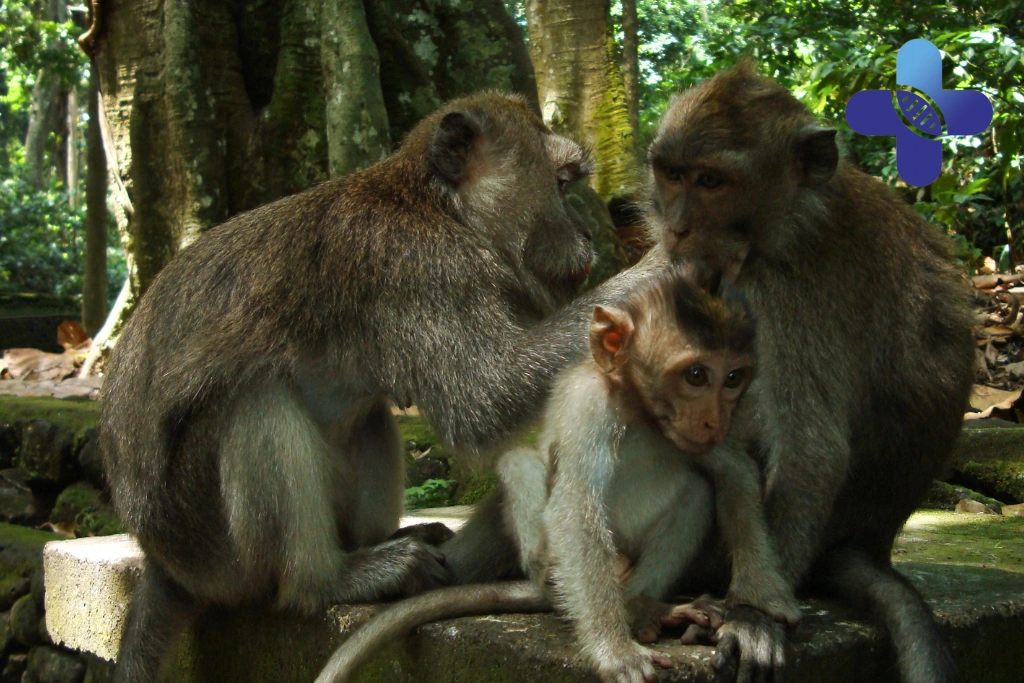
Monkey Forest Ubud is one of the most visited attractions in Ubud. Many travelers visit for the scenery, temples, and close views of monkeys in a forest setting.
Most visits are uneventful. Still, tourists should understand that close contact with monkeys can lead to scratches, bites, or saliva exposure. These situations should be handled carefully when the skin is broken or exposure details are unclear.
This guide explains the main health concerns related to monkey contact, what to do after a scratch or bite, and when rabies vaccine guidance may be needed.
Why Monkey Forest Ubud Health Risks Need Awareness
The main concern is not simply being near monkeys. The concern begins when contact leads to broken skin, saliva contact with a wound, or exposure near the eyes or mouth.
Monkeys may grab bags, food, sunglasses, or hands. A scratch can happen quickly, and some travelers only notice the mark after leaving the area.
WHO explains that rabies can spread through saliva, usually through bites, scratches, mucous membranes, or fresh skin wounds. This does not mean every monkey contact is dangerous, but broken skin should be taken seriously.
Common Monkey Contact Situations
Monkey contact may happen when travelers carry food, hold loose items, stand too close, or try to interact with monkeys directly. Some monkeys may climb, grab, scratch, or nip when they feel threatened or attracted to something a traveler is carrying.
A monkey touching clothing or sitting nearby is different from a bite or scratch. The medical concern increases when a scratch breaks the skin, a bite leaves puncture marks, or saliva may have touched an open area.
For more direct post-exposure guidance, travelers can read monkey scratch in Ubud.
When Monkey Contact Should Be Checked
A small scratch can look harmless, especially if it barely bleeds. But wound size alone is not enough to decide whether medical assessment is needed.
Monkey Contact That May Need Medical Guidance
Seek medical guidance if contact involved:
- a monkey bite that breaks the skin
- a scratch with bleeding or broken skin
- saliva touching a fresh wound
- contact near the eyes or mouth
- a wound on the face, hands, neck, or near joints
- uncertainty about whether the skin was broken
Kemenkes Indonesia advises washing bite or scratch wounds from rabies-transmitting animals such as dogs, cats, and monkeys with soap or detergent under running water for 15 minutes, then seeking further medical care.
What To Do After a Monkey Scratch or Bite
The first step is wound washing. Wash the area with soap and running water for 15 minutes when possible. Avoid applying unverified remedies or covering the wound with unclean material.
After washing, contact a medical provider for assessment. Wound washing is important first aid, but it does not replace medical review.
A clinician may need to assess whether rabies vaccine, HRIG, wound care, or follow-up guidance is needed based on the exposure details.
For vaccine-specific guidance after this type of visit, travelers can read rabies vaccine after Monkey Forest Ubud.
Why Small Scratches Should Not Be Dismissed
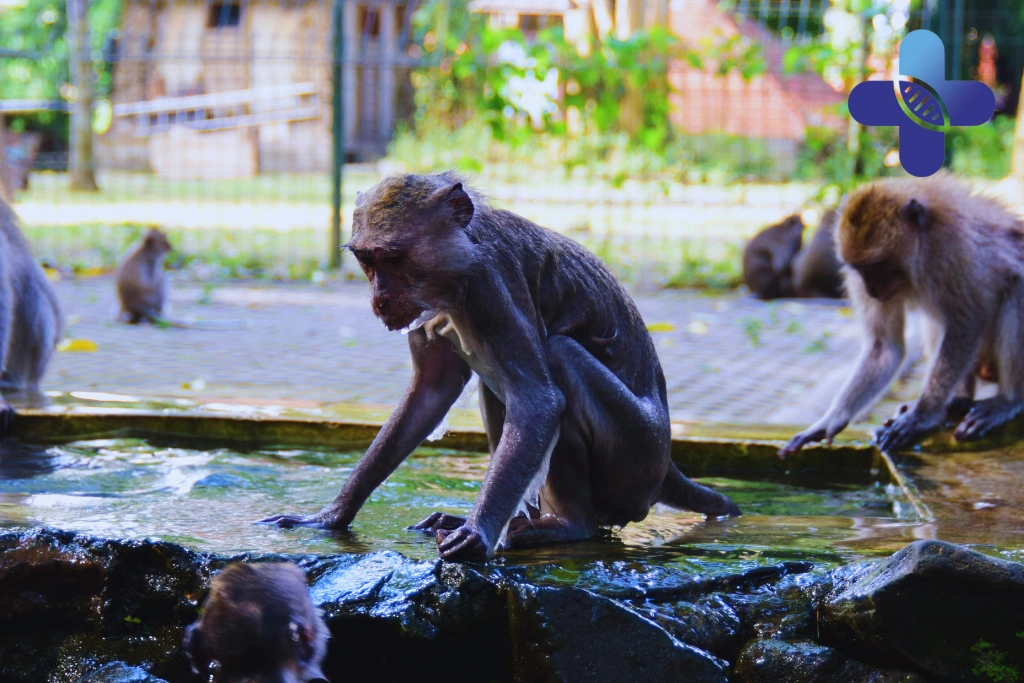
Many monkey scratches look minor at first. A traveler may see only a thin red line, a shallow mark, or a small spot of blood.
The important question is whether the skin barrier was broken. Saliva exposure may also be unclear, especially when the contact happened quickly.
Travelers should avoid deciding based only on wound size or pain. If the scratch broke the skin or saliva exposure cannot be ruled out, medical assessment is the safer next step.
Rabies Vaccine Guidance After Monkey Contact
Rabies vaccine may be recommended after certain monkey bites, scratches, or saliva exposures. The decision depends on the wound, saliva contact, previous rabies vaccination history, immune status, and whether the animal exposure can be assessed clearly.
CDC describes rabies post-exposure prophylaxis as including wound care, human rabies immune globulin, and a vaccine series, with recommendations differing by previous vaccination status and immune status.
Travelers should not wait for symptoms before asking for help. Rabies prevention should be considered after possible exposure and before symptoms appear.
Medical Support for Travelers in Ubud
Travelers staying in Ubud after monkey contact may need help deciding whether to visit a clinic, ask about Doctor On Call support, or request home service if available.
Life Everyouth Bali provides Rabies Vaccine in Bali support, including medical assessment after animal bites or scratches, rabies vaccine services, HRIG support, clinic access in Sanur, and possible Doctor On Call / home visit options for villas, hotels, or private residences.
For location-based vaccine guidance, travelers can also read about rabies vaccine near Ubud.
Need Rabies Vaccine Guidance After Monkey Forest Ubud?
If monkey contact during your Ubud visit led to a bite, scratch, or saliva contact with broken skin, avoid deciding based only on wound size or symptoms. Medical assessment can help determine whether wound care, rabies vaccine, HRIG, or follow-up guidance may be needed.
Life Everyouth Bali provides Rabies Vaccine in Bali support for travelers, with clinic access in Sanur and possible Doctor On Call or home service options for selected Ubud villa, hotel, or private residence stays.
Conclusion – Monkey Forest Ubud Health Risks Guide

Monkey Forest Ubud can be a memorable part of a Bali trip, but close monkey contact should be handled carefully if it causes a bite, scratch, or saliva exposure.
The first step is washing the wound with soap and running water. The next step is medical assessment if the skin was broken, saliva exposure was possible, or the wound is near the face, hands, eyes, or mouth.
Travelers who understand Monkey Forest Ubud health risks can respond calmly, avoid waiting for symptoms, and seek appropriate medical guidance when monkey contact becomes a health concern.
Frequently Asked Questions (FAQs) – Monkey Forest Ubud Health Risks Guide
Is Monkey Forest Ubud dangerous for tourists?
Most visits are uneventful. Health concern increases when monkey contact causes a bite, scratch, broken skin, or saliva exposure to a wound.
What should I do after a monkey scratch in Ubud?
Wash the scratch with soap and running water for 15 minutes when possible, then seek medical assessment if the skin was broken or saliva exposure is unclear.
Do I need a rabies vaccine after Monkey Forest Ubud?
A medical provider should assess the exposure if there was a bite, scratch, broken skin, or possible saliva contact. Rabies vaccine may be recommended depending on the case.
What if the monkey scratch is very small?
A small scratch can still matter if it breaks the skin. Wound size alone is not enough to decide whether medical guidance is needed.
Can monkey saliva be a rabies concern?
Monkey saliva may be a concern if it touches broken skin, a fresh wound, the eyes, or the mouth. Saliva on intact skin is different from saliva entering a wound.
Should I wait for symptoms after a monkey bite or scratch?
No. Rabies prevention should be considered before symptoms appear. CDC describes post-exposure prophylaxis as including wound care, HRIG, and a vaccine series.
Where can I get rabies vaccine guidance near Ubud?
Travelers in Ubud can contact a qualified Medical Clinic in Bali for assessment. Life Everyouth Bali provides Rabies Vaccine in Bali support with clinic access in Sanur and possible home service depending on location and availability.
Can a doctor come to my villa after Monkey Forest Ubud?
Home service may be available for selected villa, hotel, or private residence settings. Life Everyouth Clinic Bali provides Doctor On Call / home visit options as part of its rabies vaccine support.
What information should I prepare before contacting a clinic?
Prepare when the monkey contact happened, where the wound is located, whether the skin broke, whether saliva was involved, whether the wound was washed, and whether you had rabies vaccine before.
When should I book a Rabies Vaccine in Bali?
Consider Rabies Vaccine in Bali support if a monkey bite, scratch, or saliva exposure broke the skin, involved the eyes or mouth, or may require HRIG assessment.
