Many people look for natural ways to help their body recover from muscle soreness, minor injuries, or joint discomfort—especially while staying active in Bali. Whether it’s surfing, diving, hiking, or yoga in Sanur, maintaining mobility matters. Understanding how natural tissue repair therapy works can help set realistic expectations about healing and long-term tissue health. For those who want a broader overview of regenerative options, reviewing a stem cell guide in Bali may also provide additional context within a structured medical framework.
Is There a Natural Way to Support Tissue Repair?
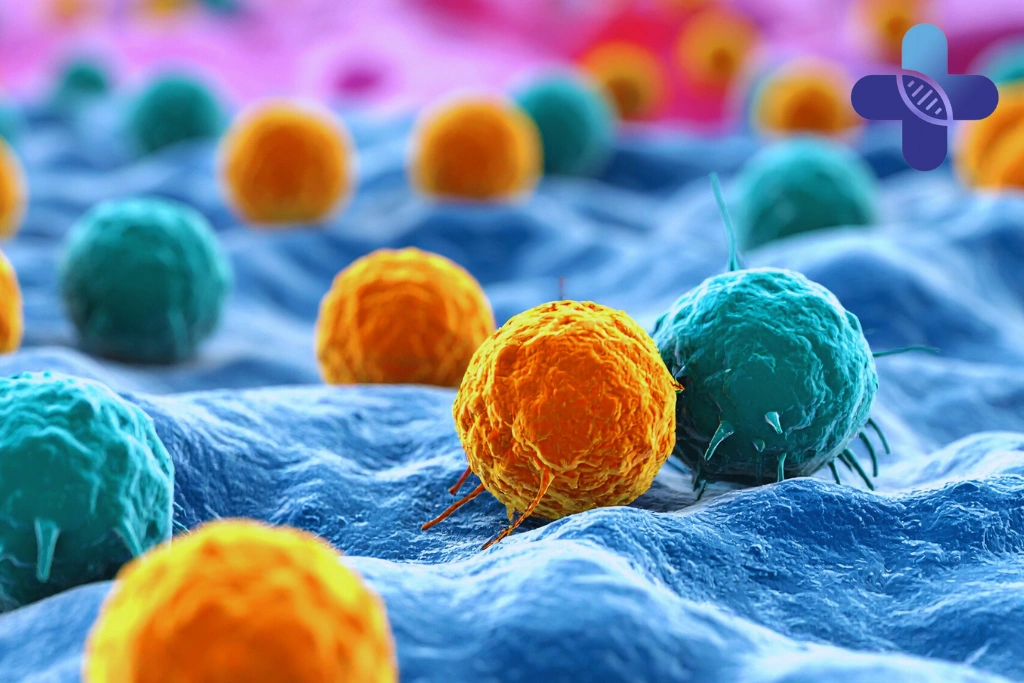
The body has a built-in ability to repair itself. However, this natural healing process can slow due to age, repeated strain, inflammation, or metabolic stress. Exploring natural tissue repair therapy means understanding how to support this biological system without ignoring medical guidance.
How the Body Naturally Repairs Tissue
To understand natural tissue repair therapy, it helps to know how the body heals. Tissue repair generally occurs in three overlapping phases.
First is the inflammatory phase. This is the body’s immediate response to injury. Blood flow increases, immune cells arrive, and signaling molecules initiate cleanup and protection.
Next comes the repair phase. During this stage, cells produce new structural proteins—especially collagen—to rebuild damaged tissue. Finally, the remodeling phase strengthens and reorganizes the tissue so it can function effectively again.
This natural healing process is efficient in younger years but may gradually change over time, especially with repetitive strain or age-related shifts.
Lifestyle Factors That Support Natural Healing
Natural tissue repair therapy often begins with foundational lifestyle support. These elements help optimize the body’s existing regenerative capacity:
- Adequate, restorative sleep
- Balanced nutrition
- Sufficient protein intake
- Micronutrient support (such as vitamins and minerals)
- Proper hydration
- Stress regulation
- Controlled and progressive movement
Sleep supports hormone regulation and cellular repair cycles. Balanced nutrition provides the building blocks for collagen production support and tissue regeneration support. Movement, when properly dosed, stimulates circulation and adaptive strengthening.
In clinical discussions at Life Everyouth Bali, lifestyle review is typically the first step before considering additional therapeutic options.
The Role of Inflammation in Tissue Repair
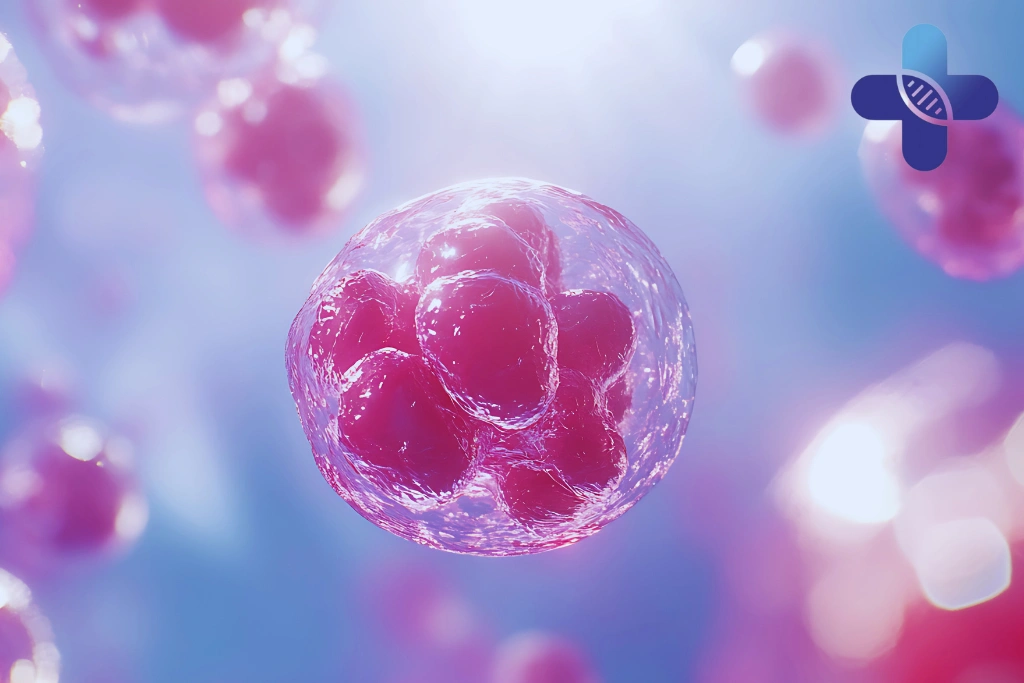
Inflammation is a necessary part of natural tissue repair therapy. Without it, healing cannot begin. However, balance is essential.
Short-term inflammation supports protection and regeneration. But persistent, low-grade inflammation may slow tissue remodeling. This pattern is often explored further in discussions about chronic inflammation symptoms, where prolonged inflammatory activity can interfere with optimal recovery.
At a Bali Medical Clinic focused on structured evaluation, identifying whether inflammation recovery is progressing normally or remaining prolonged is part of responsible assessment.
Why Healing May Slow Over Time
Natural tissue repair therapy may feel less efficient as we age. Cellular turnover can decline gradually, and collagen production may become less robust. These changes are often subtle but cumulative.
Adults over 40 may notice slower recovery after exercise or minor injuries. This experience is commonly discussed in the context of slow healing after 40, where aging and tissue repair mechanisms naturally shift.
Repeated joint stress—especially in active environments like Bali—can also highlight these changes. In some cases, early signs overlap with broader conversations around premature aging signs, particularly when fatigue or prolonged soreness appears earlier than expected.
When Natural Support May Not Be Enough
While natural tissue repair therapy is effective in many mild situations, there are limits. In cases of structural degeneration, persistent joint damage, or long-term inflammatory imbalance, lifestyle measures alone may not fully address the underlying issue.
This does not mean immediate advanced therapy is required. Rather, it means evaluation may be helpful. At a Medical Clinic Bali offering regenerative consultation, assessment typically determines whether conservative support is sufficient or whether further options should be discussed.
Persistent discomfort, limited mobility, or symptoms that do not improve over time may warrant professional guidance to clarify the next step.
Understanding Regenerative Health Approaches
A regenerative health approach focuses on supporting the body’s own repair mechanisms through structured evaluation. It does not replace healthy lifestyle habits but may complement them in selected cases.
In certain clinical settings in Bali, regenerative medicine Bali is explored as part of a broader framework of tissue support. This may include careful eligibility assessment for cell-based therapies, always guided by realistic expectations and safety considerations.
At a Medical Clinic Bali providing regenerative evaluation, consultation usually explores whether lifestyle optimization alone is appropriate or whether additional supportive strategies may be considered. Individual suitability is always prioritized over generalized assumptions.
If you are looking for ways to support tissue repair and would like to understand whether regenerative therapies may be appropriate for your condition, you can explore more information about stem cell therapy in Bali.
Conclusion – Natural Tissue Repair Therapy: What Supports Healing?
Natural tissue repair therapy is real and biologically grounded. The body is designed to heal itself through coordinated inflammatory and remodeling processes.
However, aging, chronic inflammation, and repeated strain can influence how efficiently healing occurs. Lifestyle optimization remains the foundation of tissue health.
Regenerative medicine is being explored as a supportive approach within structured medical evaluation. Before considering advanced options, proper assessment helps ensure that decisions are balanced, safe, and appropriate for individual needs.
Frequently Asked Question (FAQ) – Natural Tissue Repair Therapy: What Supports Healing?
What is natural tissue repair therapy?
Natural tissue repair therapy refers to supporting the body’s own healing mechanisms through sleep, nutrition, movement, and inflammation balance. It does not replace medical care when needed.
Can diet improve tissue healing?
Yes. Adequate protein and micronutrients help support collagen production and cellular repair processes, which are essential for recovery.
Does sleep affect recovery speed?
Sleep plays a critical role in hormone regulation and cellular regeneration. Poor sleep may delay tissue repair.
Why does healing slow with age?
Cellular turnover and collagen synthesis may gradually decline with age. This can contribute to slower recovery from strain or minor injury.
Can inflammation delay recovery?
Yes. While inflammation is necessary initially, prolonged low-grade inflammation may interfere with proper remodeling.
Are supplements necessary for tissue repair?
Supplements are not always required. A balanced diet is usually the foundation. Professional advice may help determine individual needs.
When should I seek medical evaluation?
If pain, swelling, or limited mobility persists for several weeks or worsens over time, medical assessment is advisable.
Can regenerative medicine support tissue repair?
Regenerative approaches are being explored as supportive strategies in certain cases. At Life Everyouth Bali, suitability is determined through structured consultation.
Is stem cell therapy natural?
Stem cell therapy is considered a regenerative medical approach. It aims to support natural repair mechanisms but requires proper evaluation and is not suitable for everyone.
Where can I explore regenerative therapy options in Bali?
Individuals interested in structured evaluation can explore regenerative consultation at a Bali Medical Clinic offering assessment-based stem cell services.
