
Many travelers and long-stay residents in Bali remain physically active well into their 40s, 50s, and beyond. Surfing, golf, diving, hiking, and yoga are part of everyday life. When knee or shoulder discomfort begins to interfere with movement, many people start searching for options that do not immediately involve surgery. In this context, reviewing a stem cell guide in Bali can help individuals better understand how regenerative approaches are positioned within a broader non-surgical treatment framework.
Non-Surgical Joint Treatment Options in Bali: What Are Your Choices?

For many individuals, surgery is not the first or only solution for joint discomfort. In cases of early to moderate degeneration, inflammatory flare-ups, or overuse injuries, a non-surgical joint treatment Bali approach may help manage symptoms while preserving function.
When Is Surgery Not the First Option?
In many joint conditions, especially in earlier stages, conservative care is often considered before invasive procedures. This is particularly true for mild osteoarthritis, repetitive strain injuries, or temporary inflammatory episodes.
Patients exploring non-surgical joint treatment Bali options are often those who:
- Have early-stage degeneration
- Experience intermittent flare-ups
- Want to delay or avoid surgical intervention
- Remain functionally active
At a Medical Clinic Bali setting, evaluation typically focuses on identifying whether structural damage is advanced or whether symptoms may still respond to conservative or minimally invasive approaches.
Physiotherapy and Movement-Based Therapy
Physiotherapy plays a foundational role in many non-surgical joint treatment Bali plans. Strengthening surrounding muscles can improve joint stability, while mobility exercises help maintain range of motion.
Movement-based therapy may include:
- Targeted muscle strengthening
- Postural correction
- Activity modification
- Gradual load progression
For active individuals in Bali, especially those staying in Sanur, physiotherapy can support continued mobility while minimizing strain. This approach aligns with broader osteoarthritis management principles and does not attempt to replace surgery when it is truly necessary.
Injection-Based Therapies
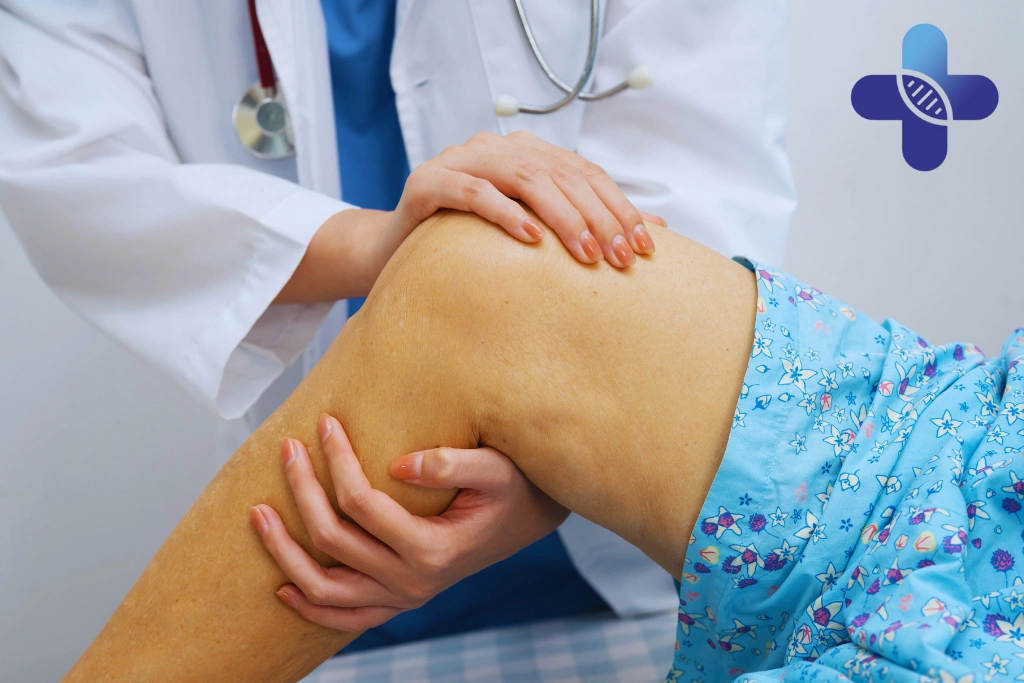
When symptoms persist despite physiotherapy, injection-based therapies may be discussed within a structured non-surgical joint treatment Bali pathway.
Corticosteroid Injections
Corticosteroids are typically used to reduce inflammation during acute flare-ups. Their goal is symptom control rather than structural regeneration.
Hyaluronic Acid
Hyaluronic acid injections aim to support joint lubrication and may be considered in certain osteoarthritis cases. Results vary depending on severity and overall joint health.
PRP (Platelet-Rich Plasma)
PRP injection Bali services are sometimes explored as part of joint degeneration therapy. PRP uses concentrated platelets derived from the patient’s own blood to support natural repair signaling. It is generally positioned as a biological support approach rather than a guaranteed solution.
For patients comparing options, understanding the differences between PRP and other regenerative techniques is important. This is discussed further in Stem Cell vs PRP considerations, especially when evaluating chronic joint inflammation.
Regenerative Medicine as an Emerging Approach
In recent years, regenerative medicine Bali has gained attention as an area focused on supporting the body’s own repair mechanisms. Within a non-surgical joint treatment Bali framework, regenerative approaches are typically considered after structured screening.
Regenerative concepts may involve:
- Supporting tissue repair signaling
- Evaluating cell-based therapy principles
- Assessing suitability based on severity and overall health
In some Medical Clinic Bali settings, regenerative therapies such as stem cell therapy in Bali are evaluated carefully, particularly for individuals with persistent symptoms that do not respond to conservative care. These approaches are not positioned as universal solutions, and eligibility is determined individually.
Choosing the Right Approach in Bali
Selecting the appropriate non-surgical joint treatment Bali option depends on several factors:
- Severity of joint degeneration
- Age and activity level
- Duration of symptoms
- Previous treatments
- Realistic expectations
For many patients staying in Bali, especially in calmer areas like Sanur, recovery planning is also part of the decision. Allowing time for structured physiotherapy or follow-up evaluation can support better outcomes.
At Life Everyouth Bali, assessment typically focuses on identifying whether conservative care, injection therapy, or regenerative options are more appropriate for the individual rather than applying a single approach to all joint conditions.
If you are exploring non-surgical joint treatment options in Bali and would like to understand whether regenerative therapy may be appropriate for your condition, you can review further details about structured stem cell therapy in Bali.
Conclusion – Non-Surgical Joint Treatment Bali: Your Options
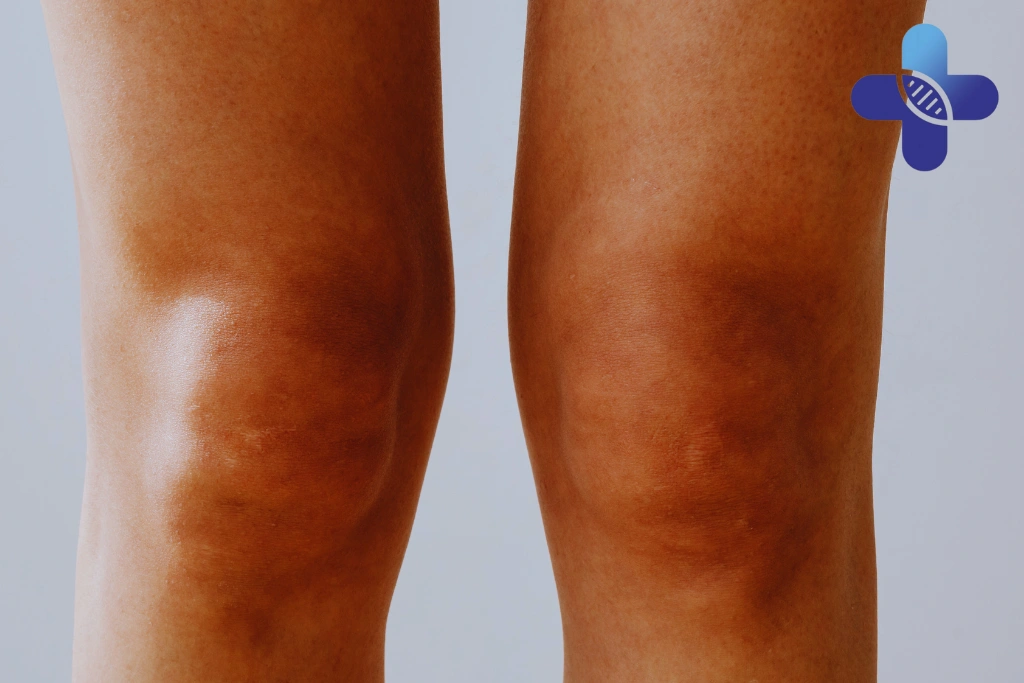
Non-surgical options for joint discomfort are widely available and often appropriate in early or moderate stages of degeneration. Physiotherapy, injection-based therapies, and regenerative approaches each have specific roles.
Not every joint issue requires surgery. Careful evaluation, realistic expectations, and individualized planning are key. In Bali, patients have access to multiple modern approaches, but the most suitable pathway depends on structured medical assessment and long-term joint health goals.
Frequently Asked Question (FAQ) – Non-Surgical Joint Treatment Bali: Your Options
Can knee pain improve without surgery?
Yes, especially in early or moderate stages. Physiotherapy, activity modification, and certain injection therapies may help manage symptoms and improve function.
How long should I try physiotherapy before considering other options?
This depends on severity and response. Many patients are monitored over several weeks to assess progress before exploring additional interventions.
Are joint injections safe?
When performed by trained professionals, injections are generally considered safe. However, they are selected based on medical evaluation and individual risk factors.
Is PRP considered regenerative medicine?
PRP is often categorized within regenerative medicine because it uses biological components from the patient’s own body to support repair signaling.
What is the difference between PRP and stem cell therapy?
PRP uses platelets to stimulate repair pathways, while stem cell therapy involves cell-based approaches that may support tissue regeneration. Suitability depends on structured evaluation.
Is non-surgical joint treatment suitable for severe arthritis?
In advanced degeneration, conservative care may provide limited relief. Surgical consultation may be appropriate in certain cases.
Can travelers receive joint treatment while staying in Bali?
Yes, many travelers explore physiotherapy or consultation during their stay. Planning recovery time is important.
How long should I stay in Bali for joint therapy?
This varies depending on the treatment plan. Physiotherapy may require multiple sessions, while consultation-based care may be shorter.
Is regenerative therapy widely available in Bali?
Regenerative services are available in selected medical settings. Evaluation determines whether a patient is suitable for such approaches.
Where can I explore advanced joint treatment options in Bali?
Individuals seeking structured evaluation can consult a Bali Medical Clinic offering assessment-based joint and regenerative therapy services tailored to individual needs.
