
Many travelers feel they have done “everything right” after a small injury—cleaning the area, applying ointment, and covering it carefully. Yet during a stay in Bali, self treated wounds Bali travelers experience are often part of common wounds in Bali, where climate, humidity, and daily activity can influence how these wounds behave, even when basic care is already in place.
You can also read our previous article on early wound warning signs in Bali to better understand which small changes in a wound are worth paying attention to while traveling.
Why Self-Treated Wounds Sometimes Get Worse While Traveling in Bali
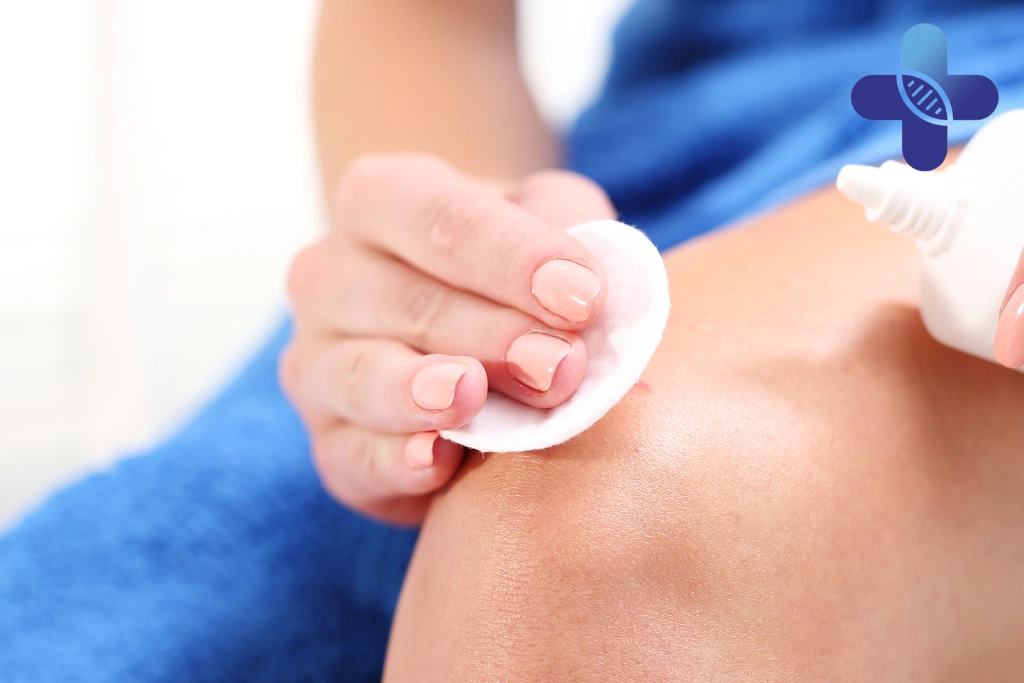
For visitors spending time in Bali, it can be frustrating when self treated wounds Bali don’t improve as expected. Warm weather, moisture, and an active travel routine can all affect how skin responds, especially for travelers who rely on self-care while moving between activities. Providers at a Medical Clinic in Bali often reassure travelers that this situation is common and not a personal mistake.
Understanding why this happens can help remove the feeling of “doing something wrong” and replace it with clearer expectations.
What Most Travelers Mean by “Self-Treatment”
When talking about self treated wounds Bali, most travelers mean simple, sensible steps—cleaning the wound, applying an over-the-counter cream, and covering it with a plaster or dressing. This approach is usually appropriate for minor injuries during travel.
At Life Everyouth Bali, clinicians often explain that self-treatment is a reasonable first step, especially for travelers staying in walkable areas like Sanur, where pharmacies are easy to access and minor cuts are common.
Common Reasons Self-Treated Wounds Don’t Improve
Even with good intentions, self treated wounds Bali may not always respond as expected. This is rarely due to negligence and more often related to travel conditions.
Some common factors include:
- Moisture becoming trapped under dressings in humid weather
- Repeated friction from walking, sandals, or daily movement
- An inconsistent routine caused by excursions or changing schedules
A Bali Medical Clinic often sees travelers who have cared for their wound correctly, but whose environment makes healing less predictable.
Why Tropical Climate Changes How Wounds Respond

The tropical environment plays a major role in how self treated wounds Bali behave. High humidity slows evaporation, meaning wounds stay moist longer and may not dry or close as quickly as expected.
In warmer coastal and resort areas such as Jimbaran, heat and sweat can further affect the skin barrier. According to guidance frequently shared at Life Everyouth Bali, these environmental factors can make wounds appear worse without indicating a serious problem.
When Self-Treatment Is Still Reasonable
In many cases, continuing basic care for self treated wounds Bali is perfectly reasonable. If the wound remains stable, shows no increasing discomfort, and gradually looks calmer, self-care may be enough.
A Medical Clinic in Bali often reassures travelers that mild redness or tenderness can be normal during active travel, particularly when the wound is small and daily hygiene is maintained.
When Getting Guidance Can Make a Difference
Sometimes, seeking clarification helps simplify recovery. For self treated wounds Bali that stop improving or begin to feel uncertain, professional input can provide reassurance and practical adjustments.
Travelers often consult a Medical Clinic Bali not because the wound is serious, but because they want to understand how healing works in a humid, tropical setting—and whether any changes to care are needed.
If a self-treated wound isn’t improving as expected, calm guidance through wound care in bali can help clarify next steps—without pressure or urgency.
Conclusion – Self Treated Wounds Bali: Why Healing Can Get Worse
Self-treatment is a sensible and common first response to minor injuries while traveling. In Bali’s tropical climate, however, self treated wounds Bali may behave differently due to humidity, heat, and daily activity. Understanding these factors helps travelers move forward with confidence rather than self-blame.
You may want to continue with our next article on delayed wound healing in Bali, which explains why some wounds take longer to improve in a tropical climate.
Frequently Asked Questions (FAQ) – Self Treated Wounds Bali: Why Healing Can Get Worse
Is it okay to treat wounds yourself while traveling?
Yes. For many self treated wounds Bali, basic cleaning and protection are appropriate initial steps. Self-care is often enough when wounds are small and stable.
Why don’t wounds improve even after cleaning?
In tropical climates, moisture and friction can slow healing even when wounds are clean. Clinics like Life Everyouth Bali often explain that this reflects environmental influence rather than poor care.
Can humidity affect self-treated wounds?
Humidity can keep wounds moist longer, which may delay surface healing. This is a common reason self treated wounds Bali feel slower to improve.
Are over-the-counter products enough in Bali?
Often, yes. Many travelers manage minor wounds with pharmacy products. A Medical Clinic in Bali may help if progress stalls or uncertainty arises.
How long should self-treatment show improvement?
Most minor wounds show gradual improvement within several days. If self treated wounds Bali remain unchanged or feel worse over time, clarification can be helpful.
Can daily activities undo wound care efforts?
Yes. Walking, sweating, and friction can counteract self-care efforts, especially on feet or lower legs. This is frequently seen among active travelers.
When should travelers stop self-treating wounds?
If discomfort increases, redness spreads, or healing seems stalled, professional guidance may help. Many travelers seek advice early for peace of mind.
Are these issues common among tourists?
Very common. Self treated wounds Bali are frequently discussed at travel clinics, especially among short-stay and long-stay visitors.
Does tropical travel require different wound care?
Sometimes. Adjustments such as dressing choice or moisture control may be needed. Life Everyouth Bali often provides guidance tailored to tropical conditions.
Where can travelers get advice if self-care isn’t working?
Travelers can consult clinics such as Life Everyouth Bali, which regularly assist visitors seeking clarity about minor wounds during their stay.
