
After a full day outdoors in Bali, many travelers experiencing skin irritation in Bali travel notice that a small scratch or area of open skin feels more uncomfortable than expected. It may sting slightly, feel warm, or look redder by the evening. These sensations are commonly seen as part of common wounds in Bali, where heat, humidity, and daily movement influence how exposed skin reacts.
You can read our previous article on minor travel injuries in Bali to better understand the small, everyday injuries travelers often overlook during their trip.
Why Scratches and Open Skin Feel More Irritated After a Day Outdoors in Bali
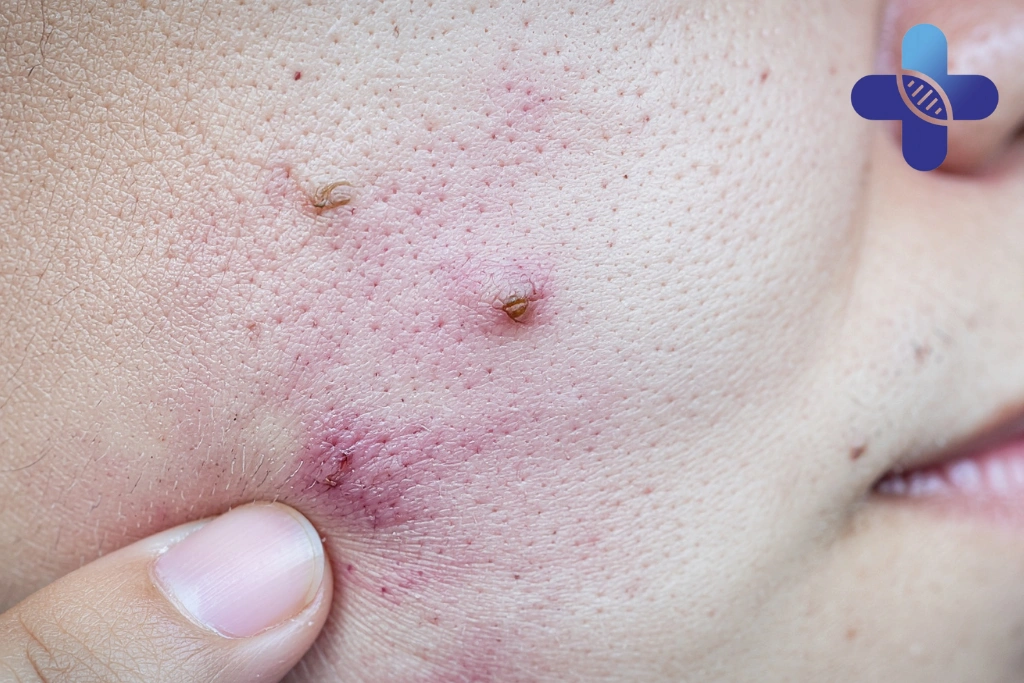
For many visitors, skin irritation in Bali travel feels different from what they are used to at home. Minor scratches that would normally fade into the background can feel more noticeable in a tropical setting. According to observations often shared at a Bali Medical Clinic, this reaction is usually linked to environmental exposure rather than a medical problem.
Understanding why this happens helps travelers stay calm, informed, and confident while enjoying their time in Bali.
What Travelers Commonly Experience With Open Skin
During skin irritation in Bali travel, travelers often describe a combination of mild stinging, warmth, or redness around small scratches. These sensations tend to appear after walking, sweating, or spending extended time outdoors.
In walkable coastal areas like Sanur, it’s common for travelers to spend hours moving between cafés, beaches, and shops. A Life Everyouth Bali provider may explain that this constant exposure makes skin sensations more noticeable, even when the injury itself is minor.
How Heat, Humidity, and Sweat Interact With Exposed Skin
Heat and humidity play a central role in skin irritation in Bali travel, especially when the skin barrier is already slightly broken.
Moisture and Skin Barrier Sensitivity
High humidity keeps the skin surface moist, slowing evaporation. When a scratch remains damp, the skin barrier can feel more sensitive and less comfortable than usual.
Sweat and Repeated Exposure
Sweat can collect around open skin and increase friction from clothing or footwear. Clinics such as a Bali Medical Clinic often note that this combination can intensify irritation without indicating infection.
Why This Doesn’t Always Mean Infection
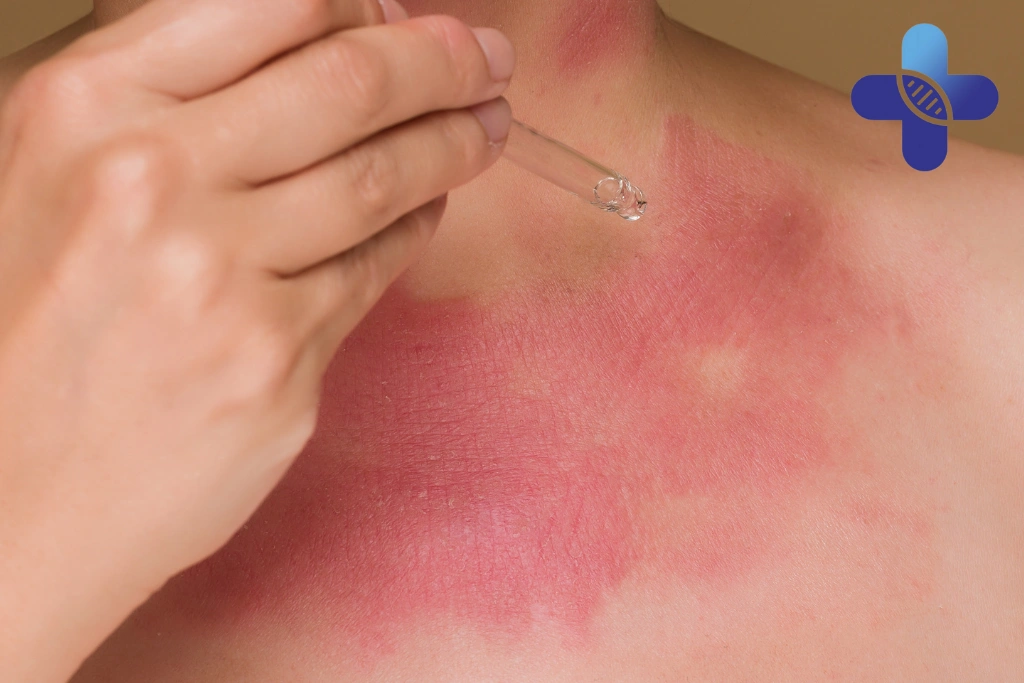
One of the most common concerns during skin irritation in Bali travel is whether discomfort signals infection. In most cases, mild irritation reflects how the skin adapts to tropical conditions rather than a medical issue.
Warmth, redness, and sensitivity can all occur as part of increased blood flow and moisture exposure. At Life Everyouth Bali, travelers are often reassured that these signs are normal as long as they do not steadily worsen or spread.
Situations That Can Increase Irritation During Travel
Certain everyday situations can amplify skin irritation in Bali travel, even when injuries are small.
Long walks, light but repetitive movement, tight straps, or breathable fabrics rubbing against the skin can all increase sensitivity. In areas like Jimbaran, where travelers enjoy outdoor dining and evening strolls, irritation may feel more noticeable simply due to prolonged exposure rather than injury severity.
A Bali Medical Clinic often emphasizes that these are lifestyle-related factors, not medical failures.
When Mild Irritation Deserves a Closer Look
While most skin irritation in Bali travel is harmless, paying attention to changes over time can be helpful.
You may want to observe more closely if you notice:
- Irritation that gradually worsens over several days
- Skin that feels persistently warm and tender
- Moisture that doesn’t begin to dry or settle
At this point, some travelers choose to seek clarification at a Life Everyouth Bali provider—not out of urgency, but to better understand how their skin is responding in a tropical environment.
If skin discomfort feels uncertain or doesn’t improve as expected, calm guidance through wound care in bali can help clarify what’s normal—without pressure or alarm.
Conclusion – Skin Irritation in Bali Travel: Why Scratches Feel Worse
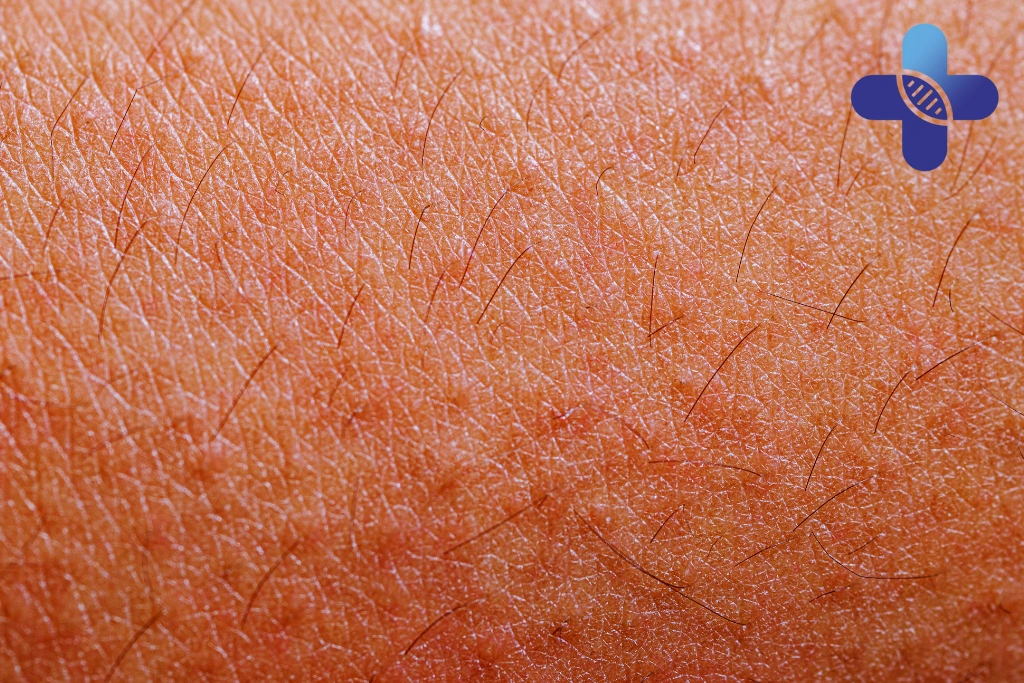
Scratches and open skin often feel more irritated in Bali due to heat, humidity, and an active outdoor lifestyle. In most cases, this irritation reflects normal skin adaptation rather than danger. By observing changes calmly, travelers can protect their comfort and continue enjoying their time in Bali with confidence.
You may also want to read our next article on open skin exposure to seawater and sand in Bali, which explains how beach environments can affect exposed skin during travel.
Frequently Asked Questions (FAQ) – Skin Irritation in Bali Travel: Why Scratches Feel Worse
Is skin irritation common when traveling in Bali?
Yes. Skin irritation in Bali travel is common because heat, humidity, and increased outdoor activity affect how exposed skin feels. Many travelers experience mild discomfort without it becoming a medical issue.
Why do small scratches feel more painful in hot weather?
Heat increases blood flow and sensitivity around the skin. According to explanations often shared at a Bali Medical Clinic, this can make minor scratches feel more noticeable without indicating harm.
Does sweat irritate open skin?
Sweat can keep the skin surface moist and increase friction, which may intensify irritation. This is a common factor in skin irritation in Bali travel, especially during active days.
How long is mild irritation considered normal?
Mild irritation often settles within a few days as the skin adapts. Gradual improvement is usually more important than how fast discomfort disappears.
Can clothing and friction worsen skin irritation?
Yes. Repeated rubbing from clothing, footwear, or straps can increase sensitivity. Life Everyouth Bali often advises travelers to notice patterns related to movement and friction.
Is redness always a sign of infection?
No. Redness can occur from heat, irritation, or increased circulation. In skin irritation in Bali travel, redness alone is not a reliable sign of infection.
Should travelers stop activities because of mild skin irritation?
Usually not. Many travelers continue normal activities while simply observing changes. Adjustments are helpful only if discomfort increases.
How can travelers reduce irritation naturally?
Keeping skin clean, dry when possible, and reducing friction can help. A Bali Medical Clinic may also suggest simple comfort-focused measures.
When should irritation be checked by a professional?
If irritation steadily worsens, spreads, or interferes with daily comfort, professional advice can provide reassurance and clarity.
Where can travelers get skin-related advice in Bali?
Clinics such as Life Everyouth Bali regularly help travelers understand skin reactions and healing expectations in Bali’s tropical climate.
