
Many adults begin noticing subtle physical changes after turning 40. Minor muscle soreness lingers longer, small cuts take extra time to close, and joint stiffness feels more noticeable after activity. In an active place like Bali, these shifts can stand out more clearly, especially for individuals who continue surfing, diving, hiking, or practicing yoga regularly. For those trying to better understand their options, reviewing a stem cell guide in Bali may also help clarify how regenerative approaches are structured within a broader health framework.
Why Recovery Gets Slower After 40 (And What’s Happening Inside Your Body)
Experiencing slow healing after 40 is usually part of a natural biological transition. It is not a sign that the body is failing. Instead, it reflects gradual changes in how cells communicate, how inflammation is regulated, and how tissues remodel after stress.
How the Body Repairs Itself in Younger Years
Before discussing slow healing after 40, it helps to understand how tissue repair works in earlier decades. In younger adults, injury or strain triggers a coordinated inflammatory response followed by cellular repair and remodeling.
Cells involved in regeneration signal collagen production and structural rebuilding. This efficiency helps explain why recovery feels quicker in your 20s or 30s. At Life Everyouth Bali, patient education often begins with explaining these basic regenerative processes before discussing age-related shifts.
When this system functions smoothly, healing follows a predictable pattern. Over time, however, the responsiveness of these pathways can gradually change.
What Changes After 40?
The experience of slow healing after 40 is commonly linked to subtle biological shifts rather than a specific disease. Cellular regeneration may become less responsive, meaning repair signals are not as strong or rapid as before.
Collagen production may also decline gradually. This affects connective tissue resilience, including tendons and cartilage. As a result, joint recovery time can extend slightly compared to younger years.
At a Medical Clinic Bali that evaluates age-related recovery concerns, consultations often explore whether slower tissue repair is part of expected aging or influenced by specific joint degeneration patterns.
The Role of Chronic Low-Grade Inflammation
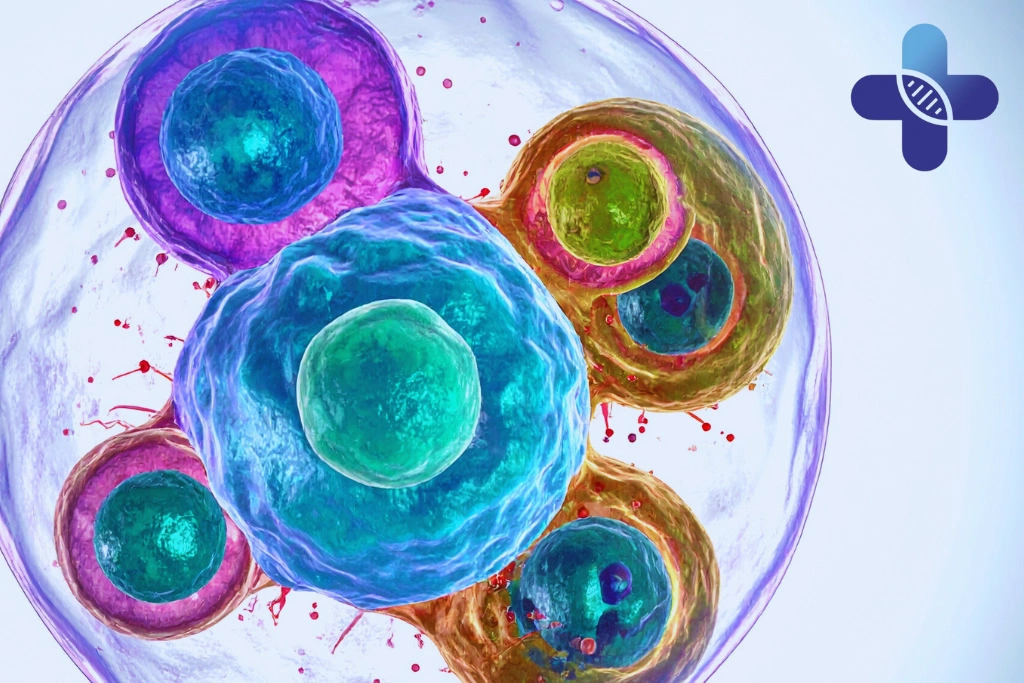
Another contributor to slow healing after 40 is low-grade, persistent inflammation. Inflammation itself is necessary for healing, but when it does not fully resolve, tissue recovery may feel incomplete.
This pattern is sometimes described in discussions about chronic inflammation symptoms, especially when fatigue, stiffness, or muscle soreness persist longer than expected. It does not automatically indicate serious illness, but it may influence how efficiently tissues remodel.
At Bali Medical Clinic settings focusing on structured assessment, identifying whether low-level inflammation is contributing to delayed recovery is often part of the evaluation process.
Why Active Lifestyles in Bali Can Reveal These Changes
In Bali, particularly in areas like Sanur where many long-stay residents maintain an active routine, slow healing after 40 may become more noticeable. Surfing strain, hiking uneven terrain, diving, and intensive yoga can highlight subtle regenerative shifts.
Physical activity remains essential for healthy aging. However, repetitive strain combined with reduced cellular responsiveness may extend muscle soreness or joint stiffness.
Life Everyouth Bali frequently sees active adults who feel “strong but slower to recover,” especially when compared to their younger years. These experiences sometimes overlap with broader discussions around premature aging signs, where fatigue and prolonged soreness are early indicators of shifting regenerative balance.
Can the Regenerative Process Be Supported?
While slow healing after 40 is common, supportive strategies can help maintain tissue resilience. Foundational elements include:
- Adequate restorative sleep
- Balanced protein and micronutrient intake
- Controlled, progressive exercise
- Stress management
- Hydration
These remain the primary approach recommended in public health guidance.
In some cases, individuals begin exploring structured regenerative evaluation. In recent years, regenerative medicine Bali has become an area of interest for those wanting to better understand how cellular repair mechanisms function in clinical settings.
At a Medical Clinic Bali focusing on regenerative assessment, the first step typically involves determining whether age-related decline alone explains slow healing after 40 or whether specific joint issues are present. This approach does not promise reversal of aging, nor does it replace healthy lifestyle practices.
For individuals seeking conservative options first, structured pathways such as non-surgical joint treatment in Bali are often considered before advanced therapies are discussed.
If you are noticing slower recovery after 40 and would like to explore whether regenerative approaches may be relevant to your condition, you can learn more about stem cell therapy in Bali.
Conclusion – Slow Healing After 40: What’s Happening in Your Body
Experiencing slow healing after 40 is common and usually reflects normal biological change. Cellular regeneration, collagen production, and inflammatory regulation gradually shift over time.
Optimizing sleep, nutrition, activity levels, and stress management remains the foundation for supporting tissue repair. Regenerative medicine continues to be explored as a supportive field focused on understanding how these cellular mechanisms function.
In active environments like Bali, especially around Sanur, recognizing these changes early allows individuals to make informed and balanced decisions about long-term mobility and recovery.
Frequently Asked Question (FAQ) – Slow Healing After 40: What’s Happening in Your Body
Is slow healing normal after 40?
Yes. Slow healing after 40 is typically related to gradual biological shifts in cellular repair and collagen production rather than a serious condition.
Why do muscle strains last longer with age?
As regenerative signaling changes, the remodeling phase of healing may take slightly longer, leading to extended soreness.
Does collagen production decrease after 40?
Collagen synthesis can gradually decline with age, which may affect skin elasticity and connective tissue strength.
Can inflammation increase with age?
Low-grade inflammation patterns may become more common over time, particularly when influenced by stress or metabolic imbalance.
Is slow recovery a sign of serious disease?
Not necessarily. In most cases, it reflects natural aging. Persistent or worsening symptoms, however, should be evaluated.
How can I support tissue repair naturally?
Prioritize sleep, balanced nutrition, progressive exercise, hydration, and stress management.
Can exercise improve recovery speed?
Yes, when appropriately dosed. Overtraining without rest may delay healing.
Is regenerative medicine only for older adults?
No. Regenerative evaluation may be explored by adults of various ages depending on individual needs. At Life Everyouth Bali, suitability is assessed individually.
How long should I wait before seeing a doctor?
If discomfort lasts several weeks or interferes with daily activity, medical assessment is advisable.
Where can I explore regenerative treatment options in Bali?
Individuals interested in structured evaluation can explore regenerative consultation options through a Bali Medical Clinic offering assessment-based stem cell services.
