
Exploring Bali’s vibrant food scene is exciting, but staying mindful of basic food and drink precautions — especially ice safety Bali — can help you avoid unnecessary stomach issues. Many travelers don’t realize how quickly hydration and cleanliness choices can influence their digestive comfort, which is why being aware of common risks like Bali Belly in Bali is essential. At Life Everyouth Bali, we encourage visitors to enjoy the island’s culinary adventures while keeping simple safety habits in mind to stay healthy throughout their trip.
Before diving deeper into Bali’s food scene, make sure you’re fully prepared by reading our essential Travel Health Kit Bali guide.
Loving Balinese Food but Feeling Unwell? Here’s How to Help Your Stomach Adapt
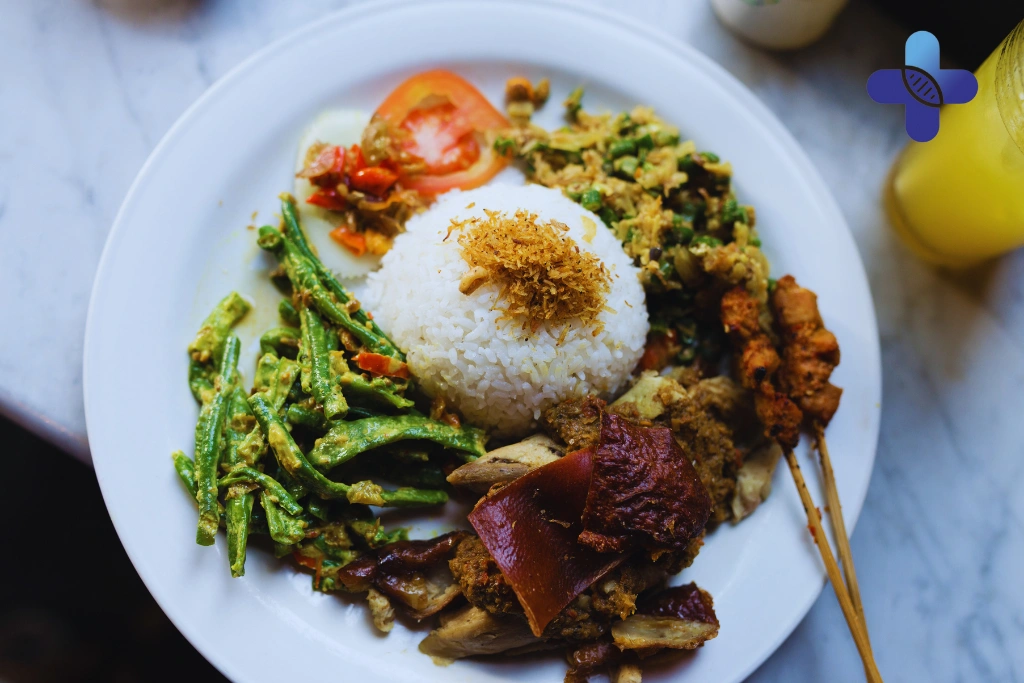
From sambal matah to ayam betutu, Bali’s food scene is vibrant, aromatic, and full of fiery flavors. But for many travelers, the first encounter with spicy food Bali can surprise the stomach more than the taste buds. At Life Everyouth Bali — a trusted Medical Clinic in Bali — we often meet tourists who love exploring local cuisine but aren’t yet used to the island’s strong spices.
If spicy dishes are making your stomach feel a little unsettled, this guide will help you understand why it happens and how to adapt safely while still enjoying every bite.
Why Spicy Food Affects Your Stomach
Capsaicin — the compound that creates heat in chili peppers — can increase stomach acid and stimulate digestive movement. For travelers who aren’t used to Southeast Asian spice levels, this can lead to temporary cramping, a warm sensation in the stomach, or mild nausea.
At Life Everyouth Bali, we frequently see these mild reactions in travelers adjusting to new flavors. While they’re usually harmless, the discomfort can still affect your travel experience if not managed properly.
What Makes Balinese Food So Spicy
Balinese dishes are built on bold seasoning and aromatic layers of spice. Base genep, sambal matah, bird’s eye chili, turmeric, shallots, and lemongrass come together to create flavors that are rich, deep, and sometimes unexpectedly intense.
These ingredients offer great health benefits, but for stomachs that aren’t familiar with them, the adjustment period can be challenging. At Life Everyouth Bali, we often reassure travelers that this reaction is normal — their digestive system simply needs time to adapt.
Understanding how Balinese spices work helps you enjoy the cuisine with more comfort and confidence.
How to Help Your Stomach Adapt to Local Spices

You don’t have to avoid Balinese cuisine digestion experiences. With a few practical steps, your stomach can adapt smoothly:
✔ Start with mild spice levels
Choose non-spicy or lightly spiced dishes before moving to sambal or ayam betutu.
✔ Stay hydrated
Water and coconut water help reduce irritation. Alcohol can worsen discomfort, so avoid it after spicy meals.
✔ Eat carbs with spicy dishes
Rice or noodles help neutralize capsaicin.
✔ Avoid eating spicy food on an empty stomach
This prevents unnecessary irritation and keeps your digestion stable.
At Life Everyouth Bali, we remind travelers that adapting to spicy food is part of the culinary journey — just do it gradually.
When Spicy Food Becomes Too Much for Your Stomach
If the flavor turns into discomfort, your body will let you know. Mild cramping, warmth in the stomach, nausea, or loose stools can happen when spicy food Bali becomes overwhelming. These symptoms are common and usually temporary.
However, if you feel dehydrated or the discomfort persists, it’s important to seek support from a trusted Medical Clinic Bali.
If spicy food leaves you feeling dehydrated or a bit off, you’re welcome to stop by Life Everyouth Bali for support. Our Bali Belly IV Drip gently rehydrates your body and helps you recover faster, so you can continue enjoying your time on the island.
Our clinics in Sanur and Jimbaran provide fast, traveler-focused care whenever you need it.
Conclusion Spicy Food Bali: Why It Upsets Your Stomach & How to Adapt

You don’t have to skip spicy dishes to enjoy Bali’s incredible food culture — you just need to pace yourself and listen to your body. With a little awareness and gradual adjustment, you can enjoy every flavor safely and comfortably. And whenever your stomach needs support, Life Everyouth Bali is here as a trusted partner in keeping you healthy throughout your adventure.
Ready for your next step in eating safely in Bali? Continue with our practical Ice Safety in Bali guide.
Frequently Asked Question (FAQ) Spicy Food Bali: Why It Upsets Your Stomach & How to Adapt
Why does spicy food cause stomach pain?
Spicy food can increase stomach acid and irritate sensitive digestive lining. Travelers often feel this more strongly when trying new spices in Bali.
Is Balinese food very spicy?
Some dishes are naturally hot due to bird’s eye chili and sambal. First-timers may find certain flavors more intense than expected.
Can I ask for less spicy food in Bali restaurants?
Yes, most restaurants are happy to adjust spice levels. Just mention “no chili” or “mild” when ordering.
What’s the best drink after eating spicy food?
Water and coconut water help cool the digestive system. They also support hydration in Bali’s warm climate.
Can spicy food cause diarrhea in Bali?
Yes, especially if your stomach isn’t used to local spices or if you eat too fast. The effect is usually temporary.
How can I help my body adapt to spicy food?
Start with milder dishes and increase heat gradually. Eating slowly and adding rice helps make the transition smoother.
When should I see a doctor after eating spicy food?
If symptoms like cramps, diarrhea, or dehydration persist, medical attention is recommended. Persistent discomfort may signal more than simple spice irritation.
What treatment helps with dehydration after spicy food?
A hydration therapy like the Bali Belly IV Drip at Life Everyouth Bali can restore fluids and electrolytes quickly. It helps your body recover so you can enjoy your trip comfortably.
Where can I get help for stomach irritation in Bali?
Life Everyouth Bali provides traveler-friendly medical care in Sanur and Jimbaran. Our team is experienced in managing digestive discomfort from food adjustments.
Can spicy food trigger Bali Belly?
Not directly, but irritation from spicy food can make your stomach more sensitive. This may lower tolerance to bacteria or poorly handled food.
