
Many patients exploring regenerative options in Bali often find themselves comparing two common approaches: PRP and stem cell therapy. When searching for non-surgical joint therapy, especially for chronic knee or shoulder discomfort, understanding the difference between these treatments becomes essential before making a decision. For those who want a clearer overview before choosing, reviewing a stem cell guide in Bali can also help explain how regenerative therapies are structured within a clinical framework.
Stem Cell vs PRP in Bali: Understanding the Key Differences
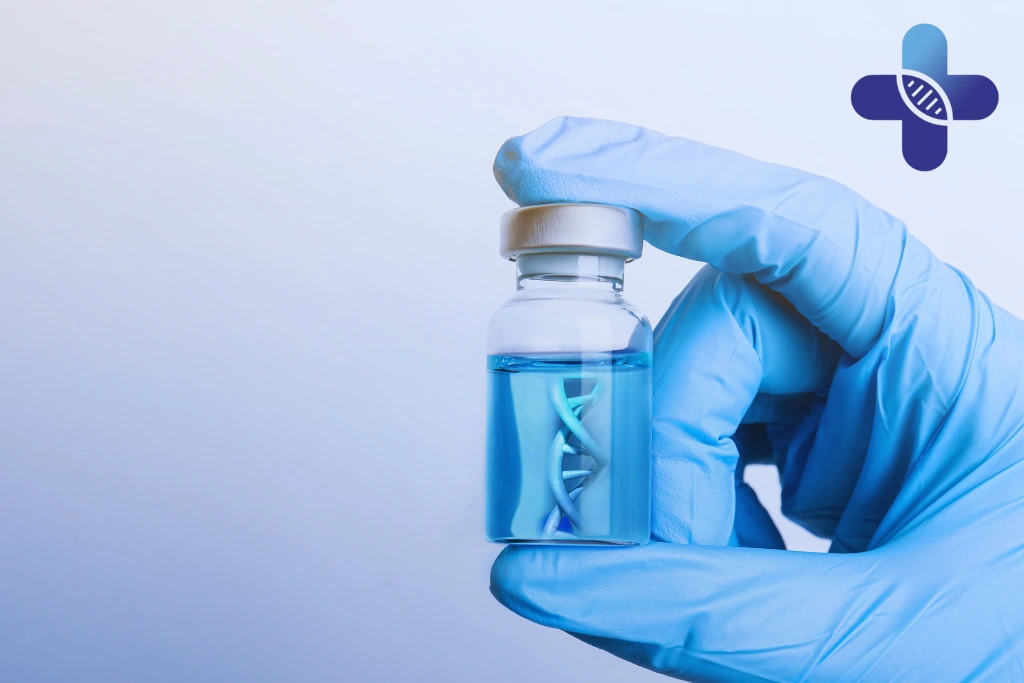
When discussing stem cell vs PRP Bali, it’s important to recognize that both therapies fall under regenerative medicine. However, they differ in biological mechanism, source material, and potential indications. Neither approach is universally superior; suitability depends on individual evaluation and condition severity.
What Is PRP Therapy?
In the context of stem cell vs PRP Bali, PRP (platelet-rich plasma) therapy is often considered a first-line regenerative injection option. PRP is derived from the patient’s own blood, processed to concentrate platelets that contain growth factors.
How PRP Is Prepared
A small blood sample is drawn and placed in a centrifuge to separate and concentrate platelets. The resulting plasma, rich in growth factors, is then prepared for injection.
How PRP Works in Tissue Repair
Platelets release growth factors that signal the body’s natural repair mechanisms. PRP does not introduce new cells but rather stimulates existing tissue to initiate healing responses.
At a Medical Clinic Bali offering regenerative evaluation, PRP injection Bali is often discussed as a conservative option for mild to moderate tissue irritation, particularly in early-stage joint issues.
What Is Stem Cell Therapy?
When comparing stem cell vs PRP Bali, stem cell therapy involves regenerative cells that may support tissue repair differently from platelet stimulation alone. Stem cells are known for their ability to differentiate and participate in cellular signaling.
The Role of Stem Cells in Regeneration
Stem cells are studied for their potential role in supporting cellular regeneration and modulating inflammatory environments. Unlike PRP, which primarily stimulates growth factor release, stem cell therapy introduces regenerative cells into targeted areas.
How It Differs Biologically from PRP
The main difference in stem cell vs PRP Bali lies in biological complexity. PRP relies on growth factor stimulation, while stem cell therapy is associated with cellular regenerative potential.
At Life Everyouth Bali, stem cell therapy discussions typically begin with structured eligibility screening rather than assuming it is appropriate for every case.
Stem Cell vs PRP — Side-by-Side Comparison

Below is a simplified comparison to clarify the differences in stem cell vs PRP Bali:
| Aspect | PRP | Stem Cell Therapy |
| Source | Patient’s blood platelets | Regenerative cells |
| Mechanism | Growth factor stimulation | Cellular regeneration potential |
| Typical Use | Mild to moderate injury | Degenerative or chronic conditions |
| Invasiveness | Minimally invasive injection | Structured injection procedure |
| Recovery Consideration | Usually short | Depends on evaluation and condition |
Both therapies are considered non-surgical joint therapy options. However, they are not interchangeable in every case. The severity of joint degeneration, duration of symptoms, and overall health profile influence which option may be considered.
Which Option May Be Considered in Bali?
When evaluating stem cell vs PRP Bali, several factors are typically reviewed:
- Severity of joint degeneration
- Duration of chronic knee pain
- Age-related regenerative capacity
- Previous treatment response
- Imaging findings
In Bali, particularly among active residents in Sanur, individuals frequently seek evaluation for persistent joint discomfort after trying conservative measures.
At a Bali Medical Clinic providing regenerative assessment, structured screening helps determine whether PRP injection Bali or stem cell therapy may be considered more appropriate for a specific condition. Evaluation is individualized rather than protocol-driven.
Patients exploring options for knee pain treatment in Bali often benefit from understanding these distinctions before proceeding.
Safety and Expectations
In discussions around stem cell vs PRP Bali, safety and realistic expectations are essential. Both approaches require proper medical assessment and sterile clinical environments.
Neither PRP nor stem cell therapy should be viewed as an instant fix. Response varies based on:
- Tissue condition
- Inflammatory environment
- Age-related regenerative decline
- Overall metabolic health
For individuals experiencing persistent discomfort linked to chronic joint pain in Bali, careful evaluation helps clarify whether regenerative approaches are appropriate.
Both therapies are typically considered after exploring conservative management options such as non-surgical joint treatment pathways. In some cases, patterns of delayed recovery may also overlap with discussions around slow healing after 40, particularly in active adults.
If you are considering regenerative treatment and would like to understand whether stem cell therapy may be relevant to your condition, you can explore more detailed information about stem cell therapy in Bali.
Conclusion – Stem Cell vs PRP in Bali: What’s the Difference?

Understanding stem cell vs PRP Bali requires recognizing that both therapies belong to regenerative medicine but serve different roles. PRP primarily stimulates growth factors, while stem cell therapy is associated with cellular regenerative potential.
Suitability depends on structured medical evaluation, not preference alone. The severity of joint degeneration, chronic inflammation, and patient-specific factors all influence decision-making.
Bali offers access to regenerative assessment in structured clinical settings, allowing patients to make informed, balanced decisions about non-surgical options.
Frequently Asked Question (FAQ) – Stem Cell vs PRP in Bali: What’s the Difference?
Is PRP the same as stem cell therapy?
No. PRP uses concentrated platelets from the patient’s blood to stimulate healing, while stem cell therapy involves regenerative cells with different biological properties.
Which is more suitable for knee pain?
It depends on severity. Mild irritation may respond to PRP, while more degenerative conditions may require broader evaluation. A Medical Clinic Bali typically assesses imaging and clinical findings before advising.
Is PRP cheaper than stem cell therapy?
Costs vary depending on individual treatment plans and clinical evaluation. Pricing should be discussed after proper assessment.
How many sessions are usually needed?
The number of sessions varies depending on condition severity and treatment response. There is no universal protocol.
Is stem cell therapy stronger than PRP?
They function differently rather than one being “stronger.” Suitability depends on biological needs and medical assessment.
Can PRP work for severe arthritis?
PRP may be considered in certain cases, but advanced degeneration may require broader evaluation.
Are both treatments available in Bali?
Yes, regenerative therapies including PRP and stem cell therapy are available in structured settings in Bali.
Is recovery time different?
PRP often has shorter immediate recovery, while stem cell therapy recovery considerations depend on individual evaluation.
Are these treatments safe for older adults?
Eligibility depends on overall health status and medical screening. Life Everyouth Bali emphasizes individualized evaluation for older patients.
Where can I explore regenerative therapy options in Bali?
Patients interested in structured regenerative consultation can explore options through a Bali Medical Clinic offering assessment-based stem cell therapy services.
