
Many travelers arrive in Bali with plans already set—snorkeling trips, beach swims, or relaxed afternoons by the ocean. When ear pain or discomfort starts, the timing can feel frustrating and confusing. The symptoms may be mild, but the question quickly becomes whether continuing water activities is safe or if rest is the smarter option. For many visitors, Swimming With Ear Infection in Bali becomes a practical decision, especially when symptoms are associated with an ear infection in Bali rather than a sudden medical emergency.
If you’re wondering whether symptoms may improve without treatment, you may want to read our previous article on ear infection heal on its own in Bali to understand what recovery can look like.
Swimming, Snorkeling, or Rest With Ear Infection in Bali: What’s the Safest Choice?
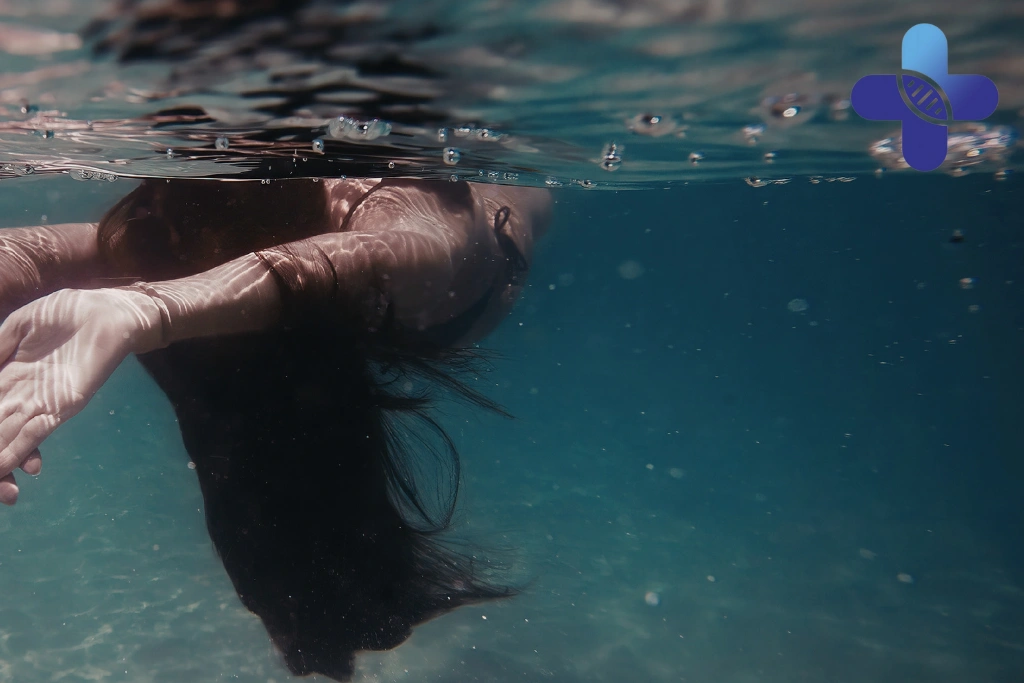
Balancing recovery with holiday plans is a common challenge for travelers in Bali. Public health guidance from WHO and Kemenkes generally emphasizes reducing irritation and moisture when the ear is inflamed, while allowing people to stay active when symptoms are clearly improving. Understanding how water exposure affects recovery can help travelers make calm, informed choices without feeling forced to cancel their entire trip.
Why Water Activities Can Affect Ear Infection Recovery
When the ear is already irritated, additional moisture can slow the natural healing process. In settings like Sanur and Jimbaran, where swimming and snorkeling are part of daily travel routines, this question comes up often at a Medical Clinic Bali.
What Happens When Ears Are Exposed to Water
Water entering the ear canal can keep the area damp, which may prolong irritation. Repeated exposure—especially in the ocean—can add friction and make symptoms last longer than expected.
Why Humidity Matters in Bali
Bali’s humid climate can make it harder for ears to dry fully between activities. This is why rest is sometimes recommended even when symptoms feel mild.
When travelers feel unsure about continuing activities, some choose Doctor On Call Bali to clarify whether it’s reasonable to swim or better to pause.
When Some Travelers Can Still Be Active
Not every ear infection or irritation requires full rest. At a Medical Clinic in Bali, doctors often look at overall symptom trends rather than one moment in time.
Mild Situations Travelers Often Describe
Some travelers notice that discomfort is already improving day by day. There may be no hearing changes, no increasing pain, and activities are kept short and gentle.
Keeping Water Exposure Limited
Brief, controlled exposure—such as avoiding deep snorkeling and limiting time in the water—may be acceptable when symptoms are clearly settling.
In these situations, travelers often use medical advice as decision support rather than a strict stop-or-go rule.
When Rest Is the Better Option During a Bali Trip
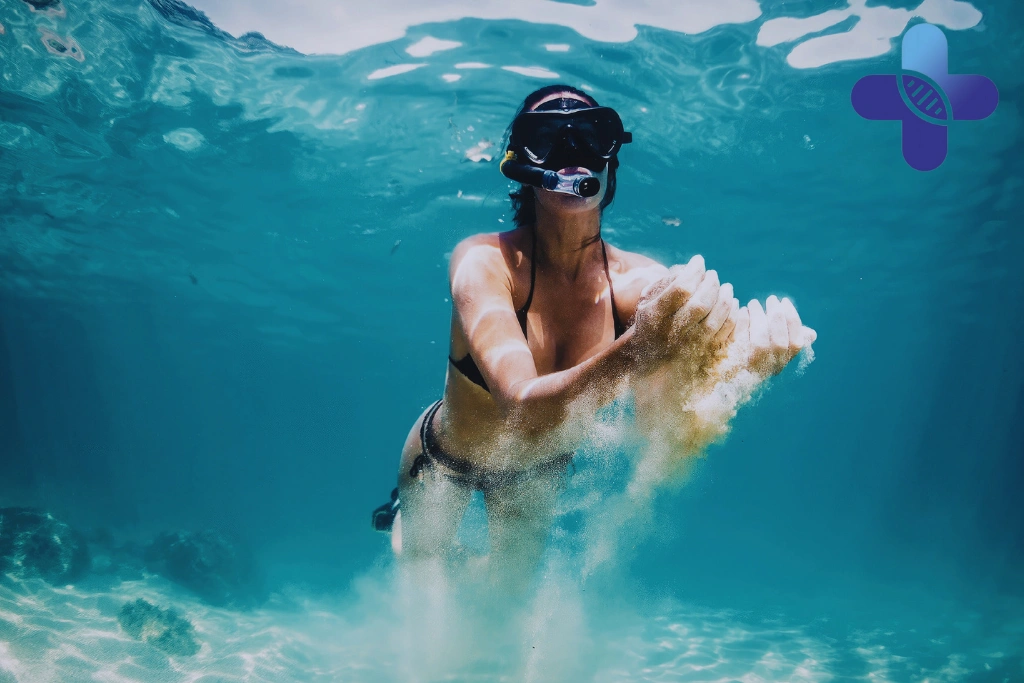
In other cases, continuing water activities may increase discomfort. In a Bali Medical Clinic, the following signs are commonly used as practical checkpoints:
- Ear pain is persistent or getting worse
- The ear feels blocked or sensitive to touch
- Hearing feels reduced or muffled
- Symptoms worsen after swimming
When these signs are present, short-term rest often helps prevent a longer recovery later.
How Travelers Balance Recovery and Holiday Plans
Many travelers adjust rather than cancel their plans entirely. Insights often shared by Life Everyouth Bali highlight flexible approaches that protect recovery without ending the holiday.
Some visitors replace ocean activities with light walks, cafés, or cultural spots, especially around calmer areas like Sanur. Others take a brief rest period and reassess after symptoms improve. This balance helps avoid turning a short irritation into a longer disruption.
Before You Decide to Get Back in the Water
If you’re unsure whether swimming or snorkeling is safe while recovering, a quick medical check can offer clarity. Some travelers choose Doctor On Call Bali for advice at their hotel or villa, helping them decide whether rest or limited activity is the safer option without unnecessary stress.
Conclusion – Swimming With Ear Infection in Bali: Is It Safe or Better to Rest?

Swimming with an ear infection in Bali isn’t always a simple yes-or-no decision. Mild symptoms that are clearly improving may allow limited activity, while persistent or worsening discomfort usually benefits from rest. Understanding how water exposure and humidity affect recovery helps travelers protect their health without feeling pressured to stop enjoying Bali altogether. With calm observation and informed choices, most visitors can recover while still making the most of their trip.
If you’re looking for ways to recover more efficiently, continue with our next article on ear infection treatment speed in Bali to learn what may help speed up healing.
Frequently Asked Question (FAQ) – Swimming With Ear Infection in Bali: Is It Safe or Better to Rest?
Is it safe to swim with an ear infection in Bali?
It depends on how the symptoms are progressing. At a Medical Clinic Bali, doctors often suggest limiting water exposure if pain or blockage is still present.
Can snorkeling make ear infections worse?
Yes, snorkeling can increase moisture and pressure in the ear. A Medical Clinic in Bali may recommend rest if symptoms worsen after snorkeling.
How long should travelers rest before swimming again?
Rest periods vary, but improvement over a few days is often a good sign. Guidance shared by Life Everyouth Bali emphasizes symptom trends rather than fixed timelines.
Is shallow water safer than snorkeling?
Shallow water usually involves less pressure, but moisture exposure still matters. A Bali Medical Clinic may advise caution even with light swimming.
Can children swim with ear infections?
Children are often more sensitive to ear discomfort. At a Medical Clinic Bali, parents are usually advised to prioritize rest until symptoms clearly improve.
Does ocean water slow ear infection healing?
Ocean water can keep the ear moist, which may slow recovery. This is commonly explained by a Medical Clinic in Bali in tropical settings.
Should travelers use earplugs?
Earplugs may reduce water entry but are not always sufficient. Life Everyouth Bali often suggests medical advice before relying on them.
Can short swims still cause problems?
Even brief swims can prolong irritation if the ear is inflamed. A Bali Medical Clinic may recommend avoiding water until symptoms settle.
When is it better to stop water activities completely?
If pain, hearing changes, or sensitivity increase, stopping is usually safer. Advice from Life Everyouth Bali focuses on preventing longer recovery.
Can Doctor On Call Bali advise whether swimming is safe?
Yes, Doctor On Call Bali can assess symptoms and advise whether rest or limited activity is appropriate during your stay.
