
Travelers experiencing persistent fever and digestive symptoms may require further medical evaluation. In some situations, these symptoms may be associated with conditions explained in typhoid in Bali, where laboratory testing plays an important role in confirming the diagnosis.
Medical Tests for Typhoid in Bali: What Travelers Should Expect
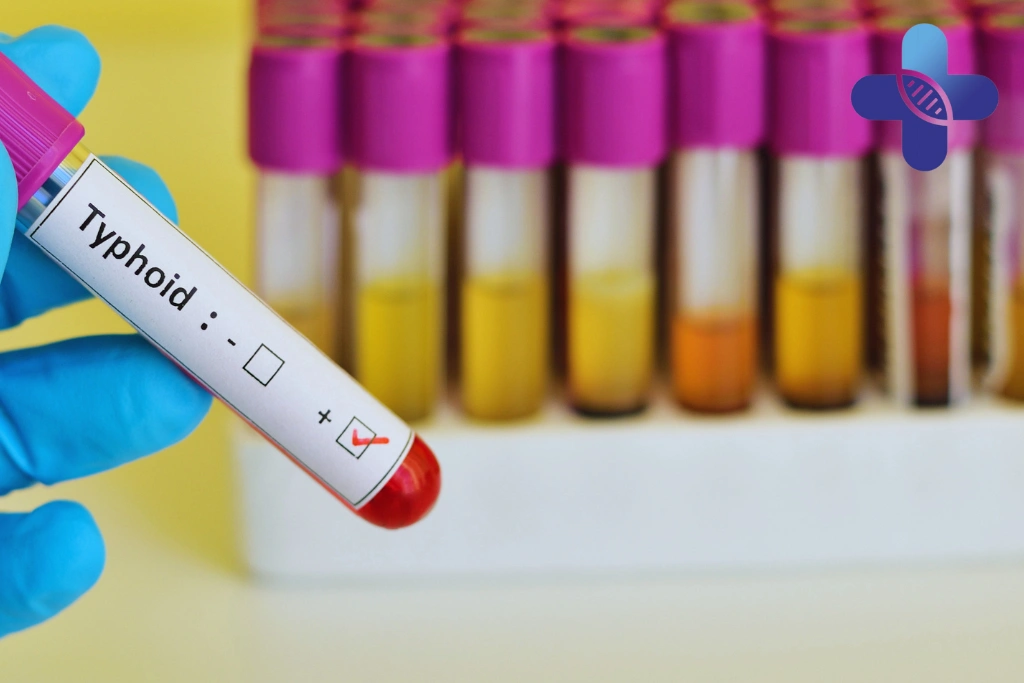
For travelers experiencing ongoing fever or digestive discomfort in Bali, medical testing may become an important step in understanding the cause. Typhoid tests in Bali are commonly considered when symptoms do not improve and require further evaluation.
These tests usually involve clinical assessment and laboratory analysis to help doctors identify possible infections. Understanding what to expect during the process can help travelers feel more prepared, whether they are staying in Sanur, Jimbaran, or other areas in Bali.
Why Medical Testing Is Important for Typhoid
Typhoid symptoms can sometimes resemble other common travel-related illnesses. Fever, fatigue, and digestive discomfort may overlap with various conditions, making it difficult to determine the exact cause without proper testing.
Medical testing helps clarify whether symptoms are related to bacterial infection or another condition. This allows doctors to make more informed decisions about next steps, rather than relying only on symptom observation.
For travelers in Bali, this is particularly important when symptoms persist or resemble patterns seen in persistent fever in Bali.
Common Types of Typhoid Tests in Bali
There are several types of typhoid tests in Bali that may be used depending on the clinical situation. These tests are typically recommended based on symptoms and medical evaluation.
Laboratory Tests That May Be Considered
- Blood tests to detect signs of infection
- Laboratory analysis to identify bacterial presence
- Additional tests depending on symptom patterns
These approaches are often part of laboratory testing for infection, helping provide a clearer picture of what may be affecting the body.
How Blood Tests Help Identify Infection
Blood tests are one of the most commonly used methods in evaluating suspected infections. They help identify how the body is responding and whether certain indicators suggest bacterial involvement.
Through a blood test for typhoid, doctors may look for changes in blood markers that are associated with infection. These indicators do not always confirm a diagnosis on their own, but they provide important supporting information.
Results are usually interpreted together with symptoms and clinical findings to guide further steps.
What Travelers Can Expect During the Testing Process
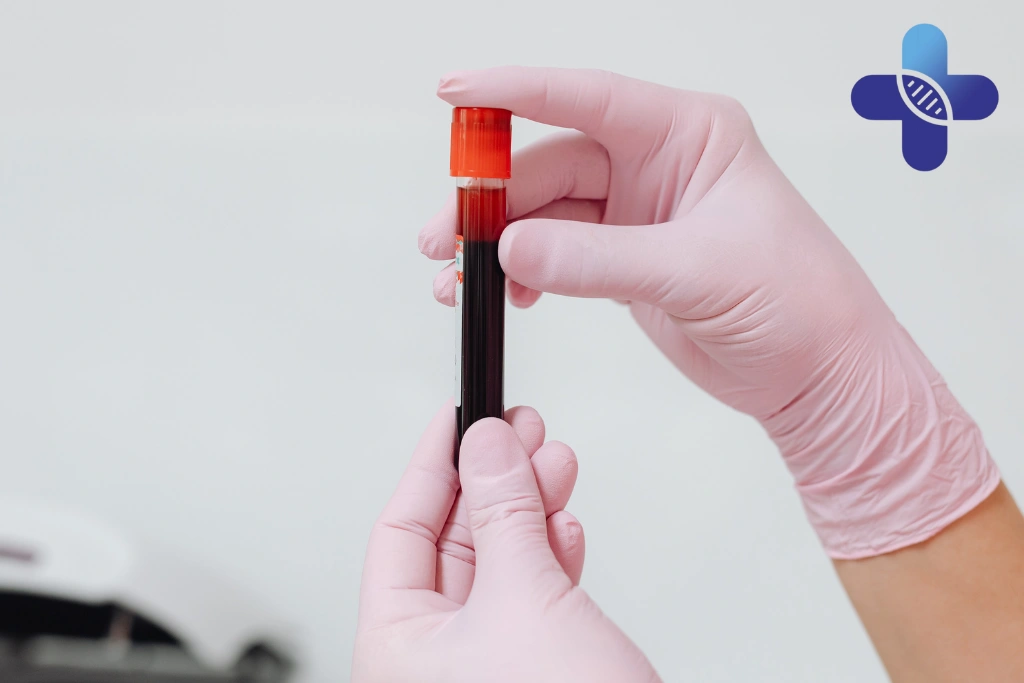
The testing process is generally straightforward and designed to be manageable for travelers. Understanding the steps can help reduce uncertainty.
Typical Process in a Medical Setting
- Initial consultation to review symptoms
- Blood sample collection
- Laboratory processing
- Communication of results
In areas such as Sanur or Jimbaran, many clinics provide structured evaluation processes. Facilities such as Life Everyouth Bali or other Bali Medical Clinic providers often guide patients through each step clearly.
How Long It Takes to Get Results
The time required to receive results may vary depending on the type of test performed. Some laboratory results may be available relatively quickly, while others may take longer for confirmation.
Factors such as the complexity of the test and laboratory processing time can influence this. In many cases, follow-up communication is important to ensure results are properly understood.
For travelers in Bali, planning for possible waiting time can help reduce uncertainty during the process.
When Doctors May Recommend Typhoid Testing
Doctors may consider typhoid tests in Bali when certain symptoms suggest the need for further evaluation. These decisions are based on clinical judgment rather than a single symptom alone.
Situations Where Testing May Be Considered
- Fever lasting more than a few days
- Digestive symptoms such as abdominal discomfort
- Persistent fatigue
- History of consuming potentially unsafe food or water
These situations may also overlap with conditions such as fever after eating in Bali, where symptoms develop following meals.
Importance of Professional Medical Evaluation
Self-diagnosis can be challenging, especially when symptoms overlap with multiple conditions. Seeking professional evaluation helps ensure that the right steps are taken.
Consulting a Medical Clinic in Bali allows doctors to assess symptoms in context and determine whether testing is necessary. Providers such as Life Everyouth Bali or other Medical Clinic Bali services may assist travelers in navigating the evaluation process safely.
This approach supports better decision-making and reduces uncertainty during travel.
Travelers who may require diagnostic testing for ongoing symptoms can consider accessing medical support such as Doctor On Call in Bali for convenient evaluation and guidance directly at their accommodation.
This service may help determine whether testing is appropriate and assist in coordinating further medical care while staying in Bali.
Conclusion – Typhoid Tests in Bali: What Travelers Should Expect

Typhoid tests in Bali play an important role in helping identify the cause of persistent symptoms. By understanding the types of tests available and what the process involves, travelers can feel more prepared when seeking medical evaluation and better manage their health during their stay in Bali.
Frequently Asked Question (FAQ) – Typhoid Tests in Bali: What Travelers Should Expect
What tests are used to diagnose typhoid in Bali?
Common tests include blood tests and laboratory analysis to detect signs of infection.
Is a blood test required for typhoid diagnosis?
A blood test is often considered as part of the evaluation, but it may be combined with other assessments.
How long does it take to get test results in Bali?
The time may vary depending on the type of test and laboratory processing.
Are typhoid tests available in Sanur or Jimbaran?
Yes, many clinics in Sanur and Jimbaran provide access to diagnostic testing services.
Do travelers need to visit a clinic for testing?
In most cases, testing is conducted through a clinic or coordinated medical service.
When should travelers get tested for typhoid?
Testing may be considered when symptoms such as prolonged fever or digestive issues persist.
Can symptoms alone confirm typhoid?
No, symptoms alone are not enough to confirm a diagnosis. Laboratory testing is usually required.
Are typhoid tests safe for travelers?
Yes, standard medical tests are generally safe and performed under professional supervision.
What should travelers expect during testing?
They can expect consultation, sample collection, and follow-up communication regarding results.
Can Doctor On Call services arrange testing in Bali?
Yes, services provided by Bali Medical Clinic or other Medical Clinic in Bali providers may assist in arranging testing and coordinating care based on individual needs.
