
What happens during an STD test in Bali is a common question for travelers who feel nervous about privacy, sample types, or results. Understanding the process can make STD testing in Sanur feel clearer and less intimidating.
What Happens During an STD Test in Bali? A Guide for Sanur Visitors
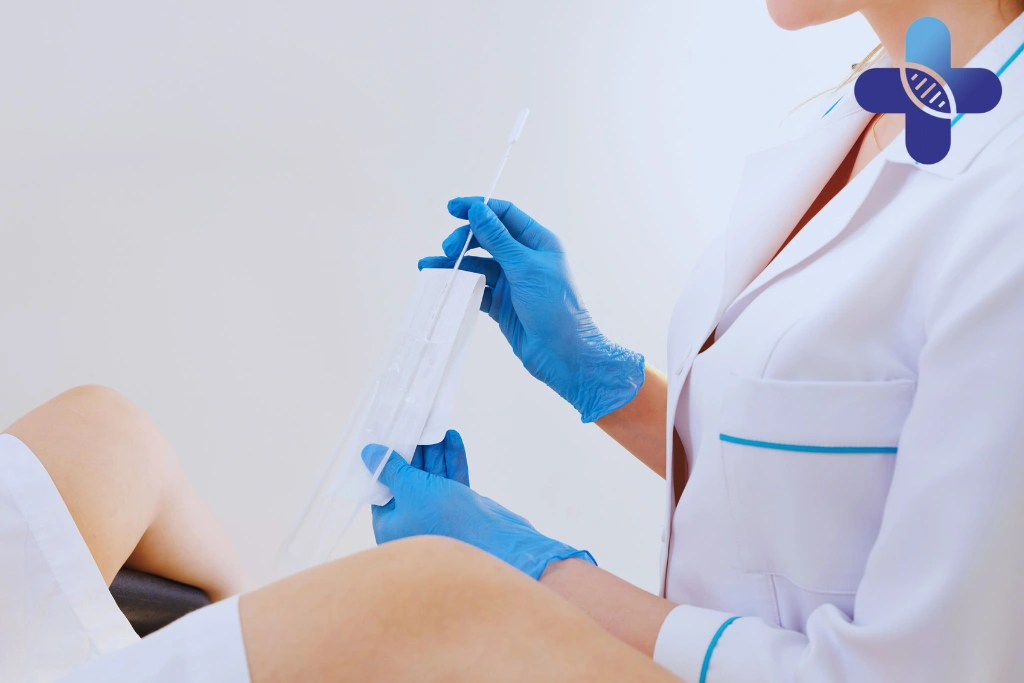
Many people feel nervous before STD testing because they do not know what will happen. They may worry about whether the consultation will be awkward, whether the test will hurt, or how results will be shared.
For people staying in Sanur, the concern can feel more sensitive because they are away from their usual doctor and may want discreet care.
In most cases, STD testing starts with a private medical conversation, then continues with test selection, sample collection, result explanation, and follow-up if needed.
The Visit Usually Starts With a Private Consultation
An STD test usually begins with a private consultation. The doctor may ask about symptoms, timing, type of sexual contact, condom use, partner status, and previous testing.
These questions are not meant to judge. They help the doctor decide which test may be suitable and whether follow-up testing is needed.
CDC explains that STI testing recommendations vary by infection and risk group, which is why consultation matters before choosing a test.
Questions a Doctor May Ask Before Testing
A doctor may ask for details that help connect symptoms, exposure, and timing. This makes the testing plan more accurate.
Details That Help Guide the Test
Before recommending a test, the doctor may ask about:
- When the possible exposure happened
- Whether condoms were used consistently
- Whether there was condom break or condom slip
- Whether symptoms are present
- The type of sexual contact
- Whether the partner has symptoms or a positive STI result
- Previous STI history or recent testing
If the main concern is recent exposure, when to get STD testing after unprotected sex in Sanur becomes relevant because testing too early may sometimes require follow-up later.
What Sample Types May Be Used?
STD testing may involve urine, blood, or swab samples depending on symptoms, exposure type, and the infections being considered.
Urine testing may be used for some infections affecting the urinary or genital tract. Blood testing may be used for infections such as HIV, syphilis, or hepatitis depending on clinical assessment. Swabs may be used when there are sores, discharge, throat exposure, rectal exposure, or symptoms in a specific area.
For people unsure about sample types, blood urine or swab STD test in Bali can help explain why one sample may not answer every sexual health question.
Does STD Testing Hurt?

Many STD tests are simple and quick. Urine and blood samples are usually straightforward, while swab testing may feel uncomfortable depending on the area being tested.
A respectful clinic should explain what is being done before it happens. Some people feel more embarrassed than physically uncomfortable, which is why privacy and communication matter.
If something feels unclear, it is reasonable to ask what the sample is for and whether another option is available.
What If You Have Symptoms?
Symptoms can influence which test is recommended. Burning urination, unusual discharge, genital sores, itching, pelvic pain, or bleeding after sex may lead the doctor to consider specific samples or examinations.
WHO notes that many STIs may have no symptoms. When symptoms are present, they may include vaginal or urethral discharge, genital ulcers, and lower abdominal pain.
When symptoms feel confusing, STD symptoms in Sanur travelers can help put discharge, sores, itching, burning urination, and pelvic discomfort into context.
What If You Have No Symptoms?
You can still discuss STD testing even if you feel normal. Testing may be considered after unprotected sex, condom failure, a new partner, unknown partner status, or partner symptoms.
The absence of symptoms can feel reassuring, but it does not always answer every question. Some STIs may stay silent, and testing decisions can depend on exposure history and timing.
This is why private consultation can be useful before deciding whether to test now, wait, or plan follow-up testing.
How Results and Follow-Up May Be Explained
After testing, the clinic should explain how results will be shared, what they mean, and whether follow-up is needed. If a result is positive, next steps may include treatment guidance, partner testing discussion, or referral depending on the infection.
Result handling should be clear before testing begins. Travelers may want to ask whether results are shared in person, by phone, by message, or through another clinic process.
If privacy is the main concern, confidential STD testing in Bali for Sanur visitors is important because result communication can matter as much as sample collection.
How to Prepare for an STD Test
Preparation is usually simple, but it helps to remember key details before the visit. Clear information helps the doctor choose the right test and timing.
Before the visit, try to remember:
- When the possible exposure happened
- What type of sexual contact occurred
- Whether condoms were used or failed
- Whether symptoms started and when
- Any medication taken recently
- Previous STI test results, if available
You do not need to explain more than what is medically relevant. Honest information simply makes the testing plan clearer.
Why Confidentiality Matters During Testing
Privacy is one of the main reasons people delay STD testing. A suitable clinic should handle sexual health concerns as private medical matters, with respectful communication and clear result procedures.
Confidential does not always mean anonymous. It is reasonable to ask how your information is handled and how follow-up will be communicated.
For people staying in Sanur, this can be especially important if they are traveling with friends, partners, or family members.
Common Mistakes to Avoid Before Testing
One common mistake is taking antibiotics or leftover medication “just in case.” This can make symptoms harder to interpret and may delay the right diagnosis.
Another mistake is assuming one test immediately after exposure answers everything. Depending on timing and the infection being considered, follow-up testing may still be needed.
Kemenkes Indonesia stated in June 2025 that Indonesia is expanding HIV and IMS services toward 2030 targets, including HIV 95-95-95 goals and elimination targets for syphilis and gonorrhea. This reinforces the importance of proper testing pathways and reducing stigma around sexual health.
Need Private STD Testing in Bali While Staying in Sanur?
Knowing what happens during testing can make the process feel less stressful. If you are staying in Sanur and need confidential testing after symptoms, exposure, a new partner, or ongoing anxiety, professional guidance can help.
Life Everyouth Bali provides confidential consultation and access to STD Testing in Bali for travelers, expats, and residents in Bali.
Conclusion – What Happens During an STD Test in Bali? Sanur Guide
What happens during an STD test in Bali usually includes private consultation, test selection, sample collection, result explanation, and follow-up guidance. The exact process depends on symptoms, timing, exposure, and medical assessment.
Testing does not have to feel overwhelming. A clear consultation can help you understand which sample may be needed, when testing is useful, and what to do after results.
For Sanur visitors who want discreet support, STD Testing in Bali through Life Everyouth Bali can provide private, medically guided care.
Frequently Asked Question (FAQ) – What Happens During an STD Test in Bali? Sanur Guide
What happens during an STD test in Bali?
STD testing usually starts with a private consultation. A doctor may ask about symptoms, exposure timing, condom use, partner status, and previous testing before recommending urine, blood, or swab testing.
What samples are used for STD testing?
Testing may involve urine, blood, or swab samples depending on the symptoms and infections being considered. A doctor can recommend the suitable sample type after consultation.
Does STD testing hurt?
Many STD tests are simple and quick. Blood draws may feel like a brief needle prick, and swabs may feel uncomfortable depending on the area, but the process is usually brief.
Can I get tested if I have no symptoms?
Yes. Some STIs may have no symptoms, so testing may still be considered after certain exposures, condom failure, or partner risks.
Is STD testing private in Bali?
STD testing should be handled as a private medical concern. Life Everyouth Bali or another trusted Medical Clinic in Bali may help provide confidential consultation and testing guidance.
How should I prepare for STD testing?
Try to remember when exposure happened, whether condoms were used, what symptoms appeared, and whether you took any medication recently. These details help the doctor choose appropriate tests.
What happens if my STD test is positive?
The clinic should explain the result and guide the next step. This may include treatment advice, follow-up testing, partner guidance, or referral depending on the infection.
Where can Sanur visitors access STD Testing in Bali?
People staying in Sanur can consider STD Testing in Bali through Life Everyouth Bali for private consultation, testing guidance, and follow-up based on symptoms or exposure risk.
