
When dealing with Bali Belly in Bali, knowing exactly what to eat with Bali Belly can make a major difference in how quickly your body recovers. Many travelers feel unsure about which foods will soothe the stomach and which ones might worsen symptoms, especially in Bali’s hot and humid climate. At Life Everyouth Bali, we help tourists choose safe, gentle foods and drinks that support recovery while preventing dehydration and further irritation.
Before continuing, you may want to read our previous article on IV therapy for Bali Belly to understand why IV hydration is often the fastest way for travelers to recover.
What to Eat and Drink with Bali Belly: Safe Choices Recommended by Life Everyouth Bali
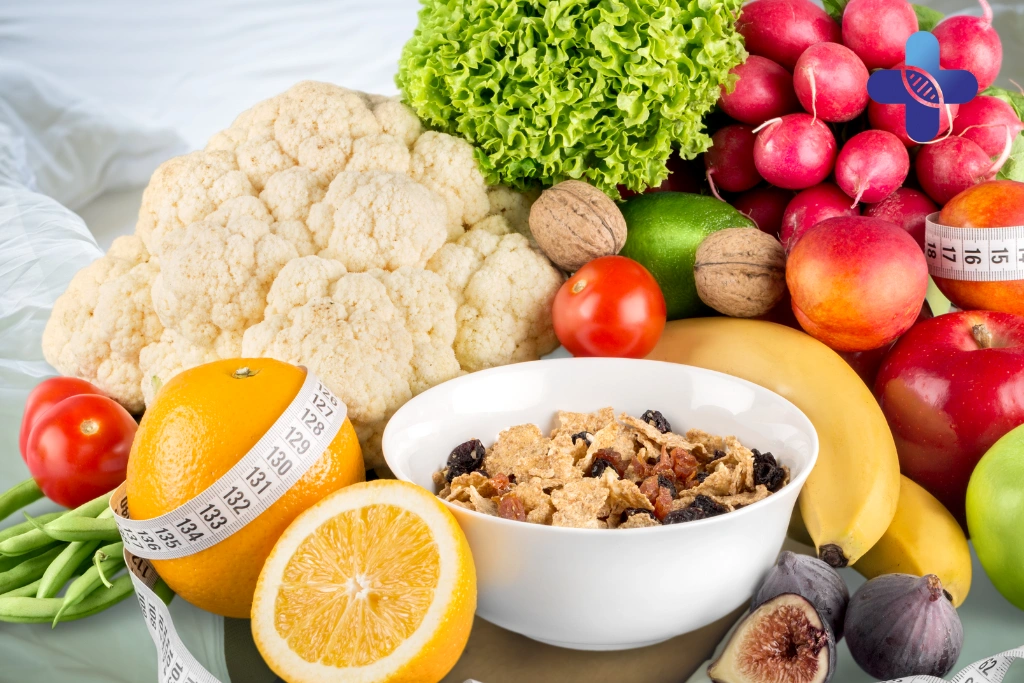
Bali Belly can leave travelers feeling weak, nauseous, and dehydrated, making food choices incredibly important for recovery. Eating the right meals helps calm the digestive system, restore energy, and prevent symptoms from getting worse. Hydration is equally essential, especially in Bali’s humid climate where fluid loss happens faster. If symptoms don’t improve or dehydration develops, Life Everyouth Bali is a trusted Medical Clinic in Bali providing safe and modern care for travelers across Sanur, Jimbaran, and surrounding areas.
Best Foods to Eat When You Have Bali Belly
Choosing gentle, stomach-friendly meals is crucial for giving your digestive system time to heal. At Life Everyouth Bali, our medical team advises a bland diet to help reduce irritation and encourage faster recovery. This guidance is especially important for visitors seeking advice from a reliable Bali Medical Clinic.
Plain Rice, Toast, and Crackers (BRAT-Inspired Diet)
Plain rice, toast, and crackers help calm the stomach because they’re easy to digest and gentle on the gut. At Life Everyouth Bali, our medical team often recommends these foods to travelers seeking safe Bali Belly foods from a trusted Medical Clinic in Bali.
Boiled Potatoes & Plain Noodles
Boiled potatoes and plain noodles provide steady energy without irritating your digestive system. These options are part of a stomach-friendly Bali Belly diet commonly suggested at Life Everyouth Bali.
Bananas for Electrolyte Support
Bananas naturally replenish potassium lost during diarrhea. They’re one of the top foods we recommend at Life Everyouth Bali for tourists looking for safe Bali Belly foods that support electrolyte recovery.
Hydration: The Most Important Part of Recovery
Staying hydrated is the cornerstone of Bali Belly recovery. As a leading Bali Medical Clinic, Life Everyouth Bali frequently treats tourists who become dehydrated due to vomiting, diarrhea, and Bali’s hot climate. Knowing what to drink with Bali Belly helps prevent dangerous fluid loss.
Oral Rehydration Solutions (ORS)
ORS replaces essential electrolytes and fluids quickly to prevent dehydration. It’s one of the most effective hydration methods recommended at Life Everyouth Bali, a trusted Bali Medical Clinic.
Coconut Water (Natural Electrolytes)
Coconut water offers natural electrolytes that support recovery without irritating the stomach. Many travelers choose it when asking what to drink with Bali Belly, and it’s often suggested by our clinicians at Life Everyouth Bali.
Broths & Clear Soups
Clear chicken or vegetable broths soothe the digestive system while restoring hydration. At Life Everyouth Bali, we recommend them as a gentle, warm option for visitors recovering from Bali Belly.
Foods and Drinks to Avoid During Bali Belly
Certain foods can worsen symptoms and prolong recovery. At Life Everyouth Bali, we often treat patients who unknowingly delayed healing by consuming irritants. Avoiding the following items is key to a safe Bali Belly diet.
Dairy, Spicy Food, and Fried Meals
These foods are difficult to digest and can worsen cramping or diarrhea. That’s why Life Everyouth Bali urges travelers to avoid them until full recovery when following a safe Bali Belly diet.
Coffee, Alcohol & Sugary Drinks
Caffeine, alcohol, and sugary drinks irritate the stomach and accelerate dehydration. Visitors are advised at Life Everyouth Bali to avoid these drinks and choose safer hydration options instead.
Fresh Salads & Raw Foods Outside Safe Establishments
Raw foods can harbor bacteria if they are not washed or prepared properly. As a reliable Medical Clinic Bali, Life Everyouth Bali recommends avoiding salads or uncooked food unless sourced from reputable venues.
When to Visit a Medical Clinic in Bali

Bali Belly usually improves within a few days, but some symptoms require professional evaluation. Life Everyouth Bali, a modern and reputable Bali Medical Clinic, is ready to help when recovery doesn’t go as expected.
Persistent Vomiting or Diarrhea
If vomiting or diarrhea continues for more than 48 hours, medical evaluation is needed. Many travelers visit Life Everyouth Bali for safe treatment when symptoms don’t improve.
Signs of Dehydration
Dry mouth, dizziness, and dark urine can indicate dehydration progressing. These symptoms are common reasons tourists seek help from our Medical Clinic in Bali.
Severe Stomach Pain or Fever
Severe stomach pain or fever may suggest infection beyond typical Bali Belly. At Life Everyouth Bali, we can provide accurate diagnostics and treatment to address these concerns.
Treatment Options at Life Everyouth Bali
As a trusted Medical Clinic in Bali, Life Everyouth Bali provides modern treatments to help travelers recover quickly and safely.
IV Hydration Therapy
IV hydration quickly replenishes fluids and electrolytes when oral intake isn’t possible. This therapy is one of the most commonly requested treatments at Life Everyouth Bali for dehydrated travelers.
Anti-nausea Medication
Anti-nausea medication helps reduce vomiting so patients can eat and drink more comfortably. Our team at Life Everyouth Bali provides safe prescriptions tailored to each traveler’s condition.
Diagnostic Tests for Food Poisoning vs. Bali Belly
Diagnostic testing helps determine whether symptoms are caused by Bali Belly or food poisoning. At Life Everyouth Bali, we offer accurate assessments so treatment can be personalized.
Prevention Tips for Tourists
A few simple precautions can significantly reduce your risk of Bali Belly. At Life Everyouth Bali, we encourage visitors to take preventive steps while enjoying their trip.
Safe Drinking Water Habits
Choosing sealed bottled water or filtered water reduces your risk of Bali Belly. Clinicians at Life Everyouth Bali also remind tourists to avoid ice or drinks from questionable sources.
Choosing Restaurants Carefully
Restaurants with good hygiene standards greatly reduce foodborne risks. Always choose clean, reputable establishments—something the medical team at Life Everyouth Bali strongly recommends.
If you’re feeling weak, dehydrated, or unable to keep fluids down, IV Drip therapy can help you recover much faster. At Life Everyouth Bali, our licensed medical team provides safe, hospital-grade IV Drip in Bali designed to replace fluids, electrolytes, and energy quickly so you can get back to enjoying your trip.
Conclusion What to Eat with Bali Belly: Safe Foods & Drinks

Most cases of Bali Belly improve with the right diet, proper hydration, and rest. Knowing what to eat with Bali Belly helps reduce irritation and supports faster recovery. However, if you become dehydrated, develop a fever, or can’t keep fluids down, Life Everyouth Bali is here to help with safe, fast, and professional care. As a trusted Medical Clinic in Bali, our team ensures you recover quickly so you can enjoy the rest of your time on the island.
Next, don’t miss our upcoming article on Bali Belly in children, where we explain symptoms, safe treatments, and when to seek medical help to keep young travelers safe during their time in Bali.
Frequently Asked Question (FAQ) What to Eat with Bali Belly: Safe Foods & Drinks
What is the safest food to eat when you have Bali Belly?
Plain rice, toast, crackers, bananas, and boiled potatoes are the safest options. These foods are gentle and help calm the digestive system. They are commonly recommended at Life Everyouth Bali.
Should I avoid dairy during Bali Belly?
Yes. Dairy products can worsen cramping and diarrhea because they’re harder to digest during illness. Our team at Life Everyouth Bali suggests avoiding them until symptoms fully resolve.
How much should I drink when sick with Bali Belly?
Small, frequent sips of ORS, water, coconut water, or broth are best. Staying hydrated prevents complications that require visiting a Medical Clinic in Bali like Life Everyouth Bali.
Is coconut water good for Bali Belly?
Yes, it provides natural electrolytes and is gentler than sugary drinks. Many patients at Life Everyouth Bali choose it as part of their recovery.
Can I drink sports drinks to hydrate?
Some sports drinks help, but choose ones low in sugar. If symptoms worsen, visit Life Everyouth Bali for assessment.
Should children follow the same diet?
Yes, but hydration is even more important. Children may need evaluation sooner at a Bali Medical Clinic such as Life Everyouth Bali.
How long should I stay on a bland diet?
Usually 24–48 hours, then gradually reintroduce normal foods. Follow your body’s signals and seek advice from Life Everyouth Bali if symptoms persist.
When should I visit a Medical Clinic in Bali?
Seek help if diarrhea lasts more than two days, dehydration signs appear, or vomiting doesn’t stop. Life Everyouth Bali provides safe and modern care for travelers.
Does diet help with food poisoning too?
Yes, similar bland foods support recovery, but food poisoning may require medical evaluation. Life Everyouth Bali can provide diagnostic tests.
Can I eat fruit while recovering from Bali Belly?
Stick to bananas first. Other fruits should be introduced slowly and only if your stomach tolerates them well. When unsure, seek advice at Life Everyouth Bali.
