
Many travelers in Bali reach a point where a small cut or scrape starts to feel “not quite right.” It may look slightly redder, feel warmer, or seem slower to improve than expected, prompting them to search for wound infection signs Bali visitors should be aware of. Within the broader pattern of common wounds in Bali, this uncertainty is one of the most frequent concerns travelers experience—especially in active areas like Sanur and Jimbaran where daily outdoor routines are common.
You may want to read our previous article on delayed wound healing in Bali to understand why some wounds take longer to improve in a tropical climate.
How to Tell If a Wound Is Getting Infected While Traveling in Bali
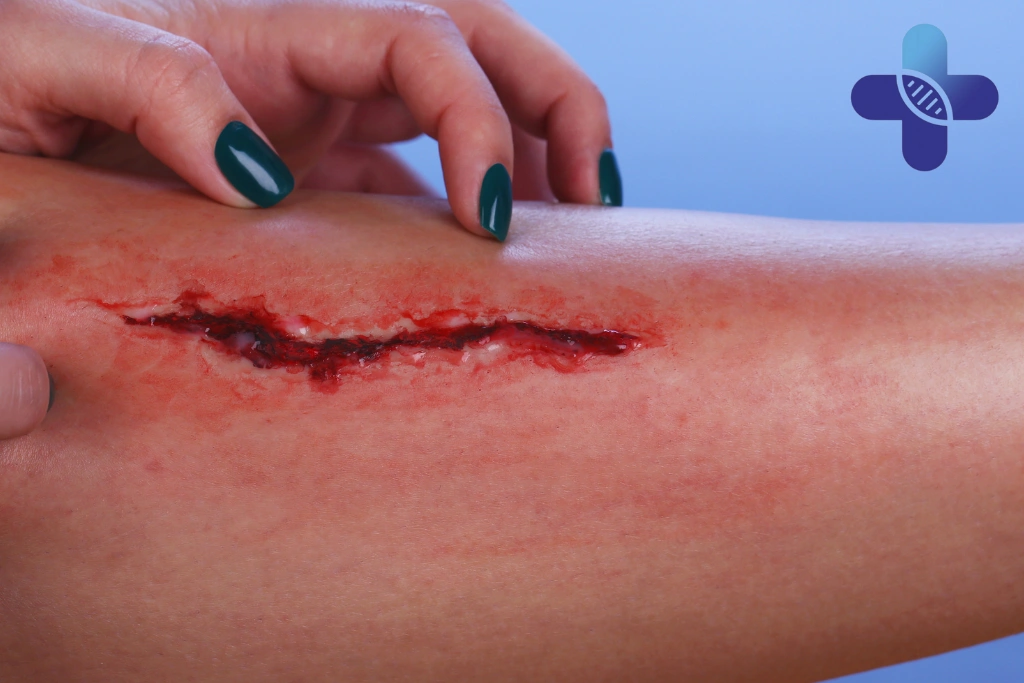
Recognizing possible wound infection signs Bali travelers should pay attention to is less about panic and more about observation. Tropical climate, movement, and humidity can make normal healing look different. The goal is not to self-diagnose, but to understand what changes are typical and which ones deserve closer attention.
Why It’s Hard to Judge Wounds While Traveling
When people look for wound infection signs Bali, they are often unsure because travel changes context. Heat increases circulation, humidity keeps skin moist, and long walks can irritate even minor wounds. These factors can mimic early warning signs without indicating infection.
In busy travel environments like Sanur’s beachfront paths or Jimbaran’s dining areas, small wounds are exposed to movement and friction throughout the day. A Medical Clinic Bali provider will often explain that tropical conditions can exaggerate normal healing responses.
Changes That Can Still Be Part of Normal Healing
Before assuming infection, it helps to understand which changes may still fall within normal healing. Many wound infection signs Bali searches begin when travelers notice redness or mild tenderness.
However, normal healing can include:
- Light redness directly around the wound
- Mild warmth in the first few days
- Slight clear fluid during early repair
Clinicians at Life Everyouth Bali frequently reassure travelers that these responses reflect the body’s natural defense and repair process, especially in humid climates.
Common Signs That May Suggest Infection
While many wounds heal without complications, some changes deserve closer attention. Recognizing possible wound infection signs Bali travelers encounter involves observing progression, not just appearance.
Signs that may suggest infection include:
- Redness spreading beyond the immediate wound edge
- Increasing pain or throbbing rather than gradual improvement
- Warmth that persists or intensifies
- Unusual discharge, especially thick or foul-smelling fluid
The key difference is progression. If symptoms steadily worsen instead of stabilizing, that pattern becomes more meaningful. A Medical Clinic in Bali typically focuses on how symptoms change over time rather than on one isolated sign.
Why Tropical Climate Can Make Infections Develop Faster
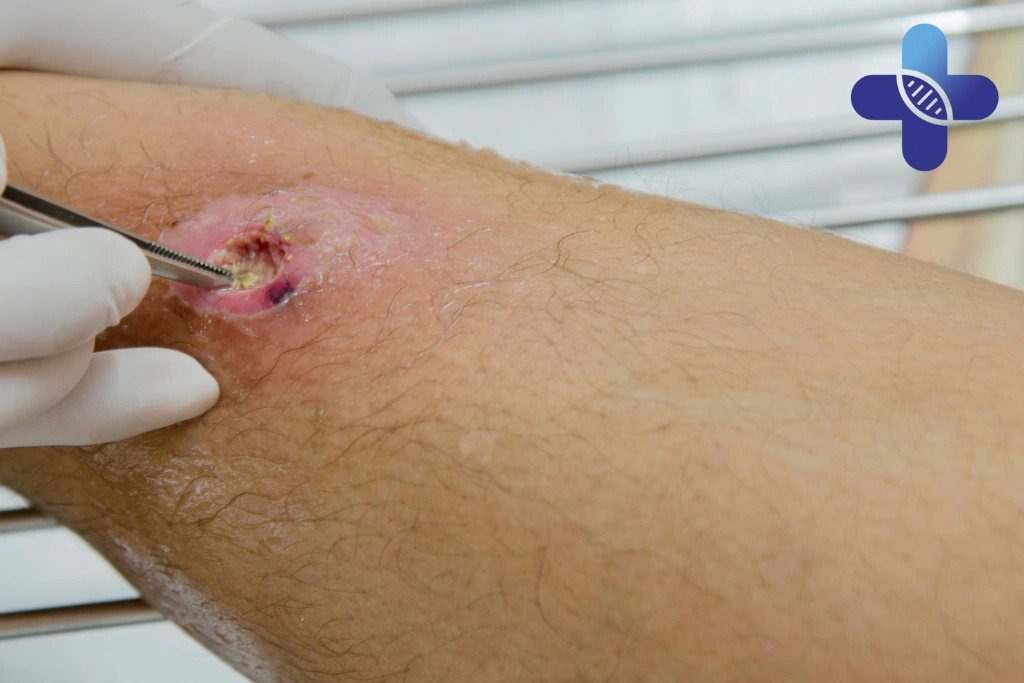
The reason wound infection signs Bali may appear more quickly in some cases is environmental. Warm temperatures and high humidity create conditions where bacteria can multiply more easily if the skin barrier remains open.
In coastal neighborhoods like Sanur and Jimbaran, constant exposure to sweat and movement can delay closure of minor wounds. According to observations often shared at Life Everyouth Bali, early attention to wound hygiene is especially helpful in tropical settings—not because infection is inevitable, but because prevention is simpler than treatment.
When It’s Reasonable to Get Medical Advice
Searching for wound infection signs Bali usually means a traveler is unsure rather than certain. Seeking medical advice does not mean the wound is serious; it simply provides clarity.
It may be reasonable to get professional input if:
- Symptoms are worsening after several days
- Pain begins limiting normal activities
- You feel uncertain despite basic care
A Medical Clinic Bali consultation is often brief and focused on reassurance. Many travelers choose this step to confirm healing is on track.
If you’re unsure whether your wound changes are normal, calm guidance through wound care in bali can provide clarity without pressure.
Conclusion – Wound Infection Signs Bali Travelers Should Know

Understanding possible wound infection signs in Bali helps travelers observe their bodies with confidence rather than fear. Most minor wounds improve steadily, even if healing feels slower in a tropical climate. Recognizing when changes are progressive instead of stable allows care to remain simple, timely, and reassuring.
You can also continue with our next article on small wounds that are no longer minor in Bali, which explains when gradual changes deserve closer attention.
Frequently Asked Questions (FAQ) – Wound Infection Signs Bali Travelers Should Know
How can travelers tell if a wound is infected?
Travelers should look for progression rather than isolated symptoms. If redness spreads, pain increases, or discharge becomes unusual, those changes may suggest infection. Observing patterns over several days is more reliable than reacting to a single moment.
Is redness always a sign of infection?
No. Mild redness directly around a wound is common during early healing. In tropical climates like Bali, warmth and increased circulation can make redness appear more pronounced without indicating infection.
Does pus always mean infection?
Not necessarily. Clear or slightly cloudy fluid can be part of normal healing. Thick, yellow, green, or foul-smelling discharge is more concerning and may justify professional evaluation.
Can tropical weather speed up wound infection?
Warm and humid environments can create favorable conditions for bacteria if a wound remains open. However, good hygiene and monitoring significantly reduce risk.
How fast can infections develop in Bali?
If infection occurs, changes may become noticeable within a few days. That said, many wounds heal normally despite the tropical climate.
Should travelers wait or seek advice early?
If symptoms are stable and gradually improving, observation is reasonable. If they worsen or create uncertainty, early advice can simplify management.
Are wound infections common among tourists?
Most minor travel-related wounds do not become infected. Concerns are common, but actual infection rates remain relatively low when basic care is followed.
Can early treatment prevent complications?
Yes. Addressing concerning changes early often keeps care simple and prevents progression. Early assessment does not mean over-treatment.
Should travelers stop activities if infection is suspected?
Reducing friction and allowing rest can help. Limiting strenuous activity temporarily may support healing while seeking clarification.
Where can travelers get wound infection checks in Bali?
Clinics such as Life Everyouth Bali regularly assist visitors who want reassurance about possible infection signs while staying in areas like Sanur or Jimbaran.
