
Living in Bali—whether you’re settling in Sanur, spending time in Jimbaran, or exploring different parts of the island—means your health planning should include sexual health, not only when symptoms appear. Because many STIs can be asymptomatic, routine screening and safer-sex practices are key preventive steps recommended in public health guidance. This article from Life Everyouth Bali helps you understand common STIs, early signs to watch for, and when STI testing in Bali may be appropriate so you can protect yourself and your partners with clear, confidential care.
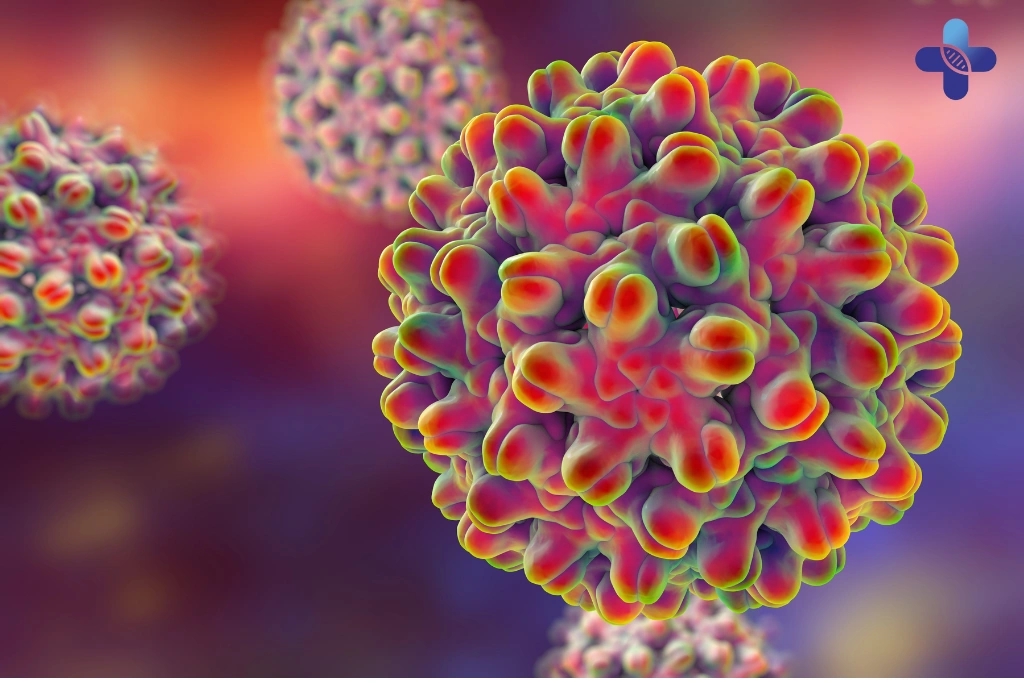
Protecting Your Health: What You Need to Know About STI in Bali
Sexually transmitted infections (STIs) are a global public health concern—and Bali is no exception. With a dynamic mix of residents, long-term expats, and international travelers, regular screening and responsible sexual behavior are essential to reducing transmission. In areas such as Sanur and Jimbaran, where many families and long-stay residents settle, access to reliable sexual health services plays an important preventive role.
This guide explains common STIs in Bali, how they spread, early signs to watch for, and when to seek medical evaluation. Prevention, early detection, and evidence-based treatment remain the most effective strategies for protecting both individual and community health.
Understanding STI in Bali
Sexually transmitted infections (STIs) are infections primarily transmitted through vaginal, anal, or oral sexual contact. Some infections can also spread through blood exposure or from mother to child. Common STIs include chlamydia, gonorrhoea, syphilis, HIV, hepatitis B, and genital herpes.
One of the biggest challenges in managing STI in Bali is that many infections are asymptomatic in the early stages. Individuals may feel completely well while unknowingly transmitting the infection. This is why regular screening is recommended for sexually active individuals, particularly those with new or multiple partners.
In residential communities such as Sanur, where many long-term residents and retirees live, proactive screening supports both personal health and public health responsibility.
Common STIs Found in Bali
STI patterns in Bali reflect global trends. Below are the most commonly diagnosed infections, their risks, and why early detection matters.
Chlamydia
Chlamydia is one of the most frequently diagnosed bacterial STIs. It often presents without symptoms, especially in women. If untreated, it can lead to pelvic inflammatory disease (PID), infertility, and pregnancy complications.
Because chlamydia spreads silently, routine screening is recommended for sexually active individuals under 25 and those with new partners.
Gonorrhoea
Gonorrhoea affects the genitals, rectum, and throat. Like chlamydia, it may not produce obvious symptoms. Untreated infection can result in chronic pelvic pain, infertility, and systemic complications.
Early antibiotic treatment is highly effective, but resistance patterns worldwide highlight the importance of proper medical supervision and follow-up testing.
Syphilis
Syphilis progresses in stages. It may begin with a painless sore that resolves on its own, which can lead individuals to believe the infection has disappeared. Without treatment, it can later affect the nervous system, heart, and other organs.
Routine blood testing remains the most reliable method of detection, especially for those with recent unprotected exposure.
Human Immunodeficiency Virus (HIV)
HIV attacks the immune system and may remain asymptomatic for years. Regular HIV testing is recommended for individuals with risk exposure, including unprotected intercourse or multiple partners.
Early detection allows prompt initiation of antiretroviral therapy, which significantly improves long-term outcomes and reduces transmission risk.

Acquired Immunodeficiency Syndrome (AIDS)
AIDS represents the advanced stage of untreated HIV infection. At this stage, the immune system is severely compromised, increasing vulnerability to opportunistic infections.
Early HIV diagnosis prevents progression to AIDS. This underscores the importance of routine screening in Bali’s mobile and diverse population.
Hepatitis B in Bali
Hepatitis B is a viral infection affecting the liver. It can be transmitted sexually or through blood contact. Chronic infection may lead to liver cirrhosis or cancer.
Vaccination is highly effective in preventing hepatitis B and is strongly recommended for individuals without prior immunity.
Genital Herpes in Bali
Genital herpes is caused by the herpes simplex virus (HSV). It may present with painful blisters or mild irritation, but some individuals remain asymptomatic.
Although there is no cure, antiviral medications help reduce outbreaks and transmission risk.
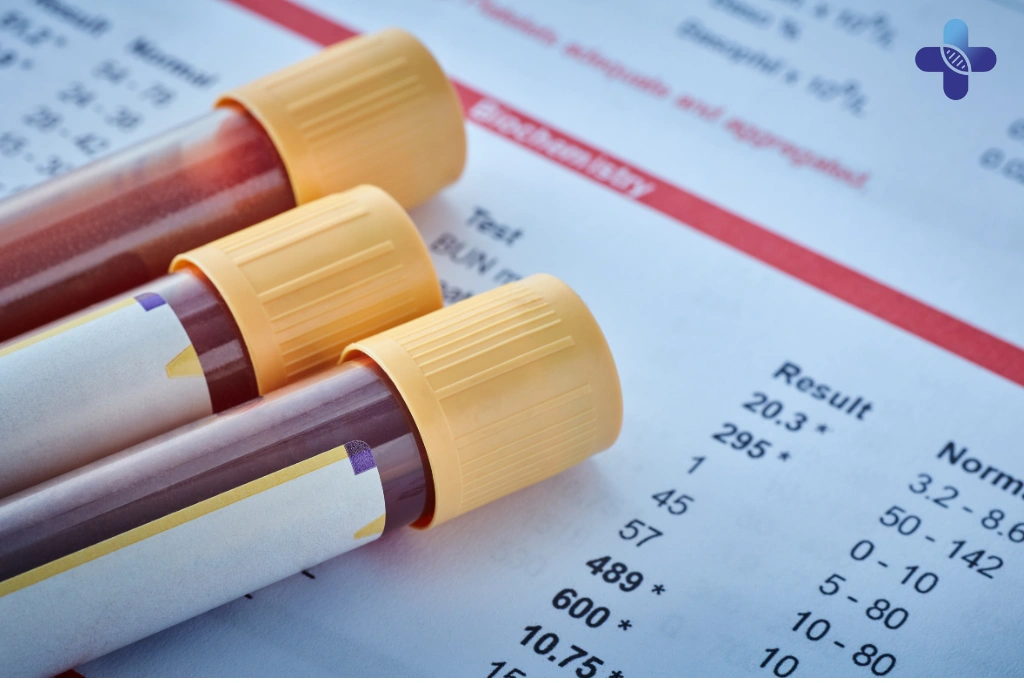
Tips to Protect Yourself from STIs in Bali
Sexual health prevention focuses on informed decision-making and routine care.
- Use condoms consistently. Condoms significantly reduce the risk of many STIs.
- Limit new or multiple partners. Open communication and mutual testing increase safety.
- Get tested regularly. Screening every 3–6 months is advisable for sexually active individuals with new partners.
- Do not wait for symptoms. Many infections are silent.
- Consider vaccination. Hepatitis B vaccination provides long-term protection.
If you are sexually active or have had recent risk exposure, scheduling STI testing in Bali is a responsible step toward protecting both your health and your partner’s well-being. Professional, confidential screening is available for residents in Sanur, families in Jimbaran, and visitors seeking clear and reliable results.

Conclusion of STI in Bali: Symptoms & Prevention
Sexual health isn’t just a personal matter—it’s a public responsibility, especially in dynamic destinations like Bali where cultures, lifestyles, and relationships intersect. STI in Bali is a real concern, but one that can be addressed with awareness, education, and responsible action.
Whether you’re on a short vacation or settling down in paradise, prevention through testing and open communication is key. At Life Everyouth Bali, we don’t just offer lab results—we offer peace of mind. As a leading medical clinic in Bali, we provide discreet STI testing, medically sound treatment options, and evidence-based counseling for anyone navigating sexual health concerns.
Take control of your well-being today—because health, like travel, starts with the right direction.
FAQ of STI in Bali: Symptoms & Prevention
Where can I get tested for STI in Bali?
You can get tested at Life Everyouth Clinic Bali, a leading medical clinic in Bali known for its international-standard care. We operate in several strategic locations across the island—making it easy for both tourists and residents to access reliable STI screening services. Whether you walk in or prefer a scheduled appointment, we ensure a smooth, confidential, and comfortable testing experience.
Are STI tests confidential in Bali?
Absolutely. Confidentiality is a cornerstone of our care at Life Everyouth. From the moment you register until you receive your results, all personal health information is protected. We provide discreet service in private consultation rooms, and our medical team is trained to handle every case with respect and professionalism—so you can feel safe seeking help.
What are the symptoms of STI in Bali?
Symptoms of STIs in Bali may include pain during urination, unusual discharge, sores or rashes in the genital area, and itching. However, many STIs like chlamydia, gonorrhoea, and even HIV can be completely asymptomatic in the early stages. This is why regular testing is so important—especially in a place like Bali where social connections are fluid and diverse.
How often should I get tested?
We recommend STI testing every 3–6 months for sexually active individuals, particularly if you have new or multiple partners. If you’re staying long-term in Bali or traveling frequently across Southeast Asia, regular checkups at a trusted provider like Life Everyouth Clinic can help you detect infections early and protect your future health.
Is HIV testing available at Life Everyouth Bali?
Yes, we provide rapid and laboratory-based HIV testing in Bali with complete pre- and post-test support. Our team ensures a safe and supportive space to discuss your concerns and help you understand the results. We believe that early detection and education are key to managing HIV effectively and without stigma.
What happens if I test positive for an STI?
If you receive a positive result, we’ll take care of everything—from explaining the diagnosis to offering treatment and emotional support. At Life Everyouth, you’re never alone. Our medical practitioners will walk you through personalized treatment plans, offer prescriptions, and schedule necessary follow-ups to ensure a full recovery. We also provide partner notification support if needed.
Can international tourists get tested and treated in Bali?
Yes. We regularly serve travelers, digital nomads, and international residents seeking STI services in Bali. Our English-speaking team and globally aligned clinical practices make it easy for you to get tested, treated, and supported without language or cultural barriers. We even offer express services for those on a tight schedule.
How long do STI test results take in Bali?
Results for rapid tests (including HIV and syphilis) are available within 20–30 minutes. Full-panel lab tests, such as those for chlamydia or gonorrhoea, typically take 1–3 working days. We notify you promptly via your preferred method—whether in person, phone call, or secure email.
What’s the price range for STI screening in Bali?
STI screening in Bali at Life Everyouth Clinic is designed to be both accessible and comprehensive. Prices start around IDR 300,000 for single tests like HIV or syphilis, while full STI panels range from IDR 900,000 to 1.2 million, depending on the number of pathogens tested. We also provide bundle packages for couples or repeat screenings. Feel free to contact our front desk or WhatsApp support for current promos.
Does Life Everyouth accept international insurance?
Yes. We collaborate with major international insurance providers, and our team can assist with the paperwork needed for claims. If your insurance covers outpatient services abroad, we’ll ensure the process is smooth so you can focus on your health, not the paperwork.
