
HIV in Bali is one of the common diseases in Bali that travelers should understand, especially when it comes to sexual health risks, testing options, and prevention during their stay. Whether someone is staying in Canggu, Seminyak, Kuta, Sanur, Jimbaran, Ubud, Nusa Dua, or Uluwatu, knowing when to seek confidential HIV or STD testing can help support safer travel decisions.
HIV in Bali: Risks, Testing, Prevention, and Medical Support for Travelers
HIV remains an important sexual health topic for people living in or traveling through Bali. For tourists, concern may appear after unprotected sex, condom failure, a new partner, or symptoms that feel unusual during a trip.
The goal is not to create fear. HIV can be prevented, tested for, and managed with proper medical care. WHO explains that HIV attacks the immune system, and without treatment it can progress to advanced disease; however, access to testing, prevention, and treatment helps people make informed health decisions.
Understanding HIV in Bali
HIV, or Human Immunodeficiency Virus, is a virus that affects the immune system. If HIV is not treated, it can weaken the body’s ability to fight infections and may progress to AIDS.
For travelers, HIV risk is usually linked to specific situations, not casual contact. Tourists staying in nightlife areas such as Canggu, Seminyak, Kuta, or Legian may become concerned after a spontaneous encounter, while others may worry before leaving Bali from Sanur, Jimbaran, Ubud, or Nusa Dua.
How HIV Transmission Happens
HIV can be transmitted through certain body fluids, including blood, semen, vaginal fluids, rectal fluids, and breast milk. Transmission can happen when these fluids enter the body through mucous membranes, damaged tissue, or direct bloodstream exposure. WHO explains that HIV is not spread through ordinary day-to-day contact such as kissing, hugging, sharing food, or sharing water.
Common transmission routes include unprotected vaginal or anal sex, sharing needles or injecting equipment, exposure to infected blood, and mother-to-child transmission during pregnancy, birth, or breastfeeding without medical prevention. If you are unsure whether your situation counts as exposure, what counts as HIV exposure during travel in Bali is the most relevant guide to review.
Travel Situations That May Raise HIV Concern
Tourists often worry after sex with a new partner, a vacation fling, condom failure, or an encounter where alcohol made the details unclear. These situations do not automatically mean HIV transmission occurred, but they may need assessment if protection was not used or the partner’s status is unknown.
Situations Travelers Should Review Carefully
- Unprotected vaginal or anal sex
- Condom broke, slipped, or was not used correctly
- Sex with a partner whose HIV status is unknown
- Visible blood, sores, wounds, or genital injury
- Sharing needles or injection equipment
- Sexual assault or unclear consent
- Possible exposure before leaving Bali
If the concern started after a condom issue, a condom broke in Bali may help explain what details matter. If it happened after sex with a new partner, travel romance in Bali HIV concerns may be more relevant.
HIV Symptoms and Why They Can Be Misleading
Early HIV symptoms can resemble common illness. WHO notes that some people may not experience symptoms in the first few weeks after infection, while others may have flu-like symptoms such as fever, headache, rash, or sore throat.
Symptoms during travel can also come from dehydration, poor sleep, alcohol, stress, respiratory illness, food-related illness, or other infections. Kemenkes explains that HIV symptoms can vary, and PEP, PrEP, ART, and testing are part of HIV prevention and management information for the public.
Symptoms That May Lead Tourists to Seek Guidance
- Fever or chills
- Sore throat
- Rash
- Swollen lymph nodes
- Fatigue
- Night sweats
- Muscle aches
- Mouth ulcers
Symptoms alone cannot confirm HIV. If symptoms are your main concern, HIV symptoms in Bali and how soon can HIV symptoms appear after exposure in Bali can help explain why timing matters.
Can You Have HIV Without Symptoms?
Yes, it is possible to have HIV without obvious symptoms, especially early on. WHO notes that many people are unaware of their status until later stages, and some may not experience symptoms in the first weeks after infection.
This is why “feeling fine” does not always rule out HIV or other STDs. If you had possible exposure but have no symptoms, HIV without symptoms after sex in Bali can help explain why testing may still matter.
What to Do After Possible HIV Exposure in Bali
If possible HIV exposure happened recently, timing is important. WHO states that PEP is most effective when started as soon as possible, ideally within 24 hours and no later than 72 hours after exposure.
PEP is not needed for every sexual encounter. A clinician should assess the type of exposure, timing, partner status, condom use, and whether blood or injury was involved. Kemenkes also describes PEP as emergency treatment given within 72 hours after high-risk exposure to HIV.
If you are still within this window, possible HIV exposure in Bali within 72 hours and PEP for HIV in Bali are the most relevant next topics to read.
HIV Testing in Bali: What Travelers Should Know
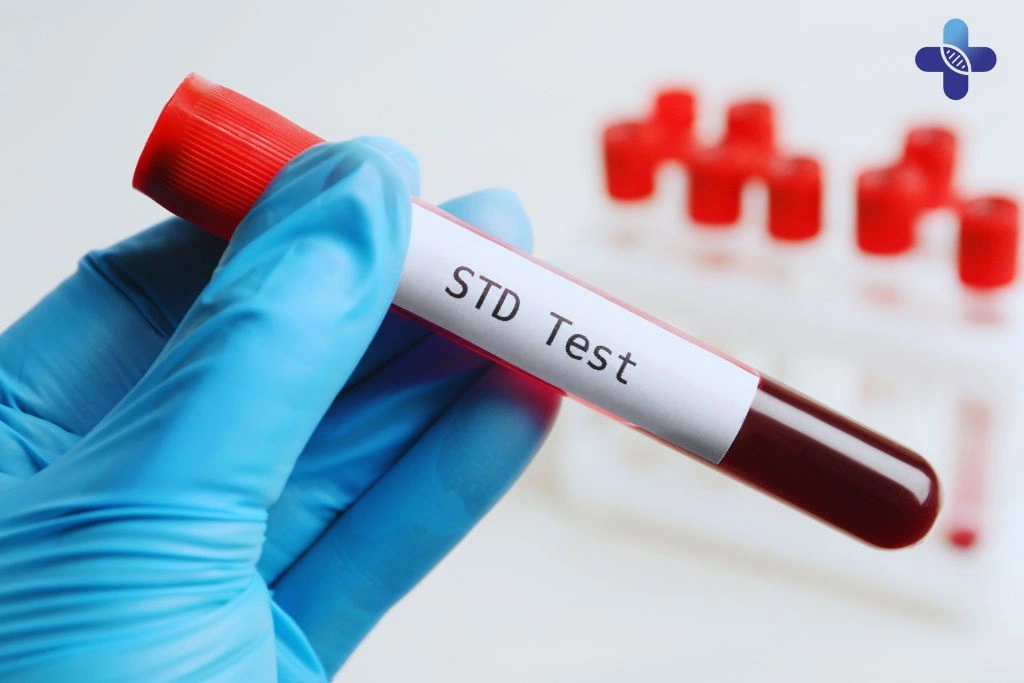
HIV testing can help travelers move from uncertainty to a clearer plan. WHO states that HIV testing services should follow the 5Cs: consent, confidentiality, counselling, correct results, and connection to prevention, care, and treatment.
Testing timing matters. Kemenkes explains that the HIV window period is the time between infection and detection by a test; during this period, a person may be infected but the test may still be negative because the body has not produced enough detectable antibodies, and the window period can vary by person and test type.
Travelers who want to understand the process can read HIV testing in Bali. If the main question is timing, when to get an HIV test after exposure in Bali can help explain whether testing now, later, or both may be appropriate.
Confidential HIV and STD Testing for Tourists
Privacy is one of the biggest concerns for travelers. Someone staying in a villa in Canggu, a hotel in Kuta, or a resort in Nusa Dua may want testing without discussing the situation with friends, a partner, or a travel group.
A confidential consultation can help review exposure timing, symptoms, test options, and whether broader STD screening is needed. If privacy is your main concern, confidential HIV test in Bali explains what tourists should ask before booking.
Prevention Options: Condoms, PrEP, PEP, and Regular Testing
HIV prevention includes safer sex, condom use, avoiding needle-sharing, regular testing, and preventive medicines when appropriate. Kemenkes describes PrEP as prevention before exposure and PEP as emergency prevention after high-risk exposure.
PrEP may be relevant for people with ongoing HIV exposure risk, while PEP is for urgent post-exposure situations. Both should be discussed with a qualified medical provider rather than started without guidance.
Why STD Testing May Also Matter
After unprotected sex or condom failure, HIV may not be the only concern. Other STDs may cause symptoms such as discharge, sores, burning during urination, rash, pelvic pain, or no symptoms at all.
Private STD Testing in Bali can help travelers decide whether HIV-only testing is enough or whether broader screening is more appropriate. For tourists comparing testing options, STD testing in Bali after possible HIV exposure may help explain why a full panel can sometimes be useful.
Same-Day and Home Visit Testing Options
Some travelers need testing before leaving Bali, while others prefer discreet support at a villa or hotel. This may be especially useful for visitors staying in Canggu, Seminyak, Kuta, Sanur, Jimbaran, Ubud, Nusa Dua, or Uluwatu.
Same-day or home visit testing can be convenient, but fast results or private testing do not change HIV window periods. If speed or privacy is important, same-day HIV and STD testing in Bali or home visit HIV and STD testing in Bali can help explain what tourists should consider before booking.
Confidential Medical Support in Bali
Tourists who are concerned about HIV exposure, symptoms, test timing, or broader STD risk may benefit from private medical guidance. The right next step depends on what happened, when it happened, symptoms, and whether urgent PEP assessment is still relevant.
Providers such as Life Everyouth Bali or another Medical Clinic in Bali may support travelers with confidential consultation, HIV testing guidance, and broader STD screening when appropriate.
STD Testing in Bali
If you are concerned about possible HIV exposure, symptoms, or testing timing during your stay in Bali, confidential STD Testing in Bali may help you understand the next step. Providers such as Life Everyouth Bali or another STD Clinic Bali can support private screening, exposure assessment, and follow-up guidance based on your situation.
Conclusion – HIV in Bali: Risks, Testing, Prevention, and Tourist Guide
HIV in Bali is an important topic for travelers, but it should be approached with facts rather than fear. HIV is not spread through casual contact, but certain sexual and blood-related exposures may require testing or medical guidance.
For tourists in Canggu, Seminyak, Kuta, Sanur, Jimbaran, Ubud, Nusa Dua, Uluwatu, and nearby areas, the clearest next step is to review the exposure, consider timing, and seek confidential support when needed. This article is educational and does not replace medical consultation.
Frequently Asked Questions (FAQs) – HIV in Bali: Risks, Testing, Prevention, and Tourist Guide
Is HIV common in Bali?
HIV exists in Bali as it does in many destinations, so travelers should understand prevention, testing, and exposure risks. The risk can be reduced through safer sex, avoiding needle-sharing, and seeking testing when exposure is possible.
How is HIV transmitted?
HIV can be transmitted through certain body fluids such as blood, semen, vaginal fluids, and breast milk. WHO explains that it is not spread through ordinary contact such as kissing, hugging, sharing food, or sharing water.
Can tourists get HIV from mosquito bites in Bali?
No. Mosquito bites are not an HIV transmission route. HIV concern should focus on recognized exposure routes such as unprotected sex, blood exposure, or sharing needles.
What should I do after possible HIV exposure in Bali?
If possible exposure happened recently, seek medical advice promptly. WHO states that PEP is most effective when started as soon as possible, ideally within 24 hours and no later than 72 hours after exposure.
When should I get an HIV test after exposure?
Testing timing depends on the exposure date and test type. Kemenkes explains that the window period can affect whether HIV is detectable, so follow-up testing may be needed if testing happens too early.
Can I have HIV without symptoms?
Yes. WHO notes that some people may not have symptoms in the first weeks after infection, while others may develop flu-like symptoms. Testing is needed to understand status after possible exposure.
What is PEP and when should it be started?
PEP is post-exposure prophylaxis, a prevention approach after possible HIV exposure. WHO states it is most effective when started as soon as possible and no later than 72 hours after exposure.
Is HIV testing confidential in Bali?
Confidentiality should be part of HIV testing. WHO’s HIV testing principles include consent, confidentiality, counselling, correct results, and connection to care. Providers such as Life Everyouth Bali or another medical provider can explain privacy procedures before testing.
Can I travel if I have HIV?
Yes, individuals with HIV can travel freely to most destinations. However, some countries have entry restrictions or visa requirements for HIV-positive travelers. Life Everyouth Bali provides travel health consultations, ensuring that individuals understand their options and take necessary precautions before traveling.
Should I get STD testing as well as HIV testing?
It may be useful after unprotected sex, condom failure, symptoms, or a new partner. HIV testing checks one concern, while broader STD testing may help assess other infections.
Where can tourists get private HIV or STD testing in Bali?
Tourists may seek private testing guidance through Life Everyouth Clinic Bali or another STD Clinic Bali. A consultation can help determine whether HIV testing, broader STD screening, PEP discussion, or follow-up testing is appropriate.
