
Many travelers in Sanur are surprised when a runny nose appears after a day at the beach, especially when the weather feels pleasant and the sea breeze seems harmless. In reality, tropical humidity, sudden temperature shifts, and beachfront wind exposure can trigger nasal sensitivity in new arrivals. These reactions often resemble Bali flu mild symptoms, early signs of Bali flu, and common patterns seen in flu in Bali, which makes early understanding essential for a comfortable stay.
If you haven’t read our earlier guide on Bali flu symptoms in travelers, start there to understand how early signs often begin even before mild symptoms appear.
Why Many Visitors Experience Runny Nose After a Day at the Beach in Sanur

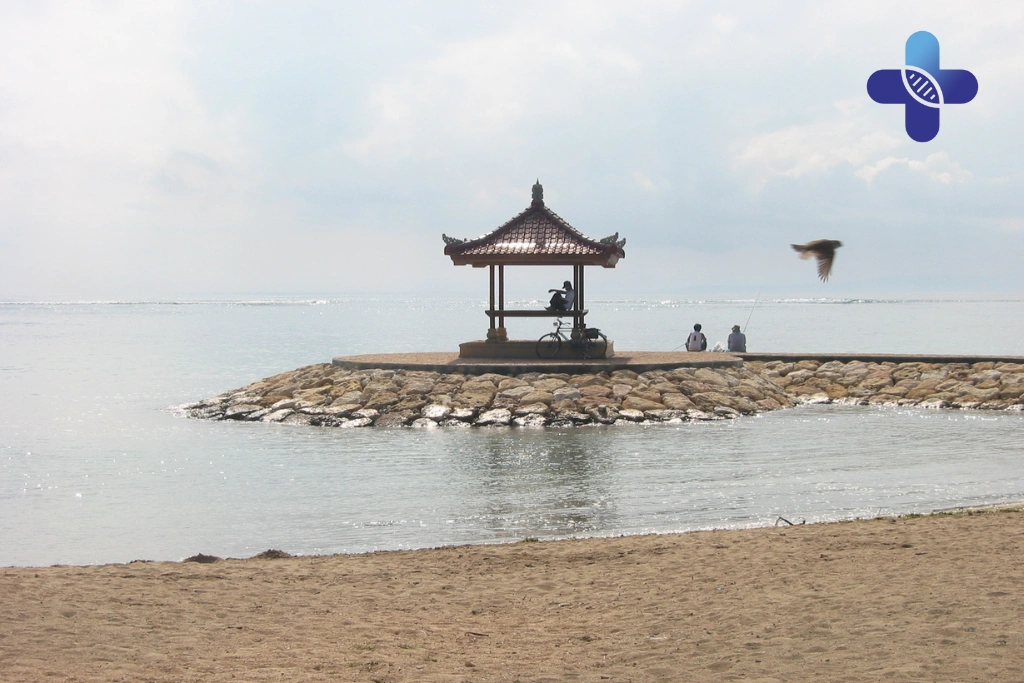
Many visitors notice a runny nose after spending time at Sanur Beach, often assuming it’s just wind or a mild allergy. However, environmental triggers along the Sanur coastline can activate early Bali flu mild symptoms, especially when the body is adjusting to Bali’s tropical climate. Life Everyouth Bali, a trusted Bali Medical Clinic, helps travelers understand when nasal reactions are normal—and when they indicate early flu-like conditions.
How the Sanur Beach Environment Triggers Runny Nose in Visitors
The Effect of Sea Breeze on Nasal Sensitivity
Sanur’s soft but persistent sea breeze carries moisture, salt particles, and changing temperatures that can irritate nasal passages. Life Everyouth Bali, as a leading Bali Medical Clinic, often sees travelers experiencing runny nose shortly after long beach exposure.
Why Sudden Temperature Drops After Swimming Cause Mild Symptoms
Moving from warm sand into cooler seawater and then back into humid air can confuse the body’s temperature regulation. These shifts frequently resemble Bali flu mild symptoms, especially in first-time Sanur visitors.
Common Misconceptions: Is It Just Allergies or Something Else? — Insights from Life Everyouth Bali
How Tourists Mistake Mild Flu Signs for Beach Allergies
Many travelers assume nasal drip is due to sand, sunscreen, or ocean breeze, but Life Everyouth Bali, a trusted Medical Clinic in Bali, notes that mild flu reactions often present the same way. Mislabeling symptoms delays proper recognition.
Patterns That Suggest You’re Developing Bali Flu, Not Allergies
If a runny nose persists for hours, appears alongside fatigue, or worsens at night, it may indicate Bali flu mild symptoms rather than allergies. These patterns are especially common among travelers adapting to Sanur’s humidity.
When Runny Nose Becomes a Mild Symptom of Bali Flu

Early Indicators That Shouldn’t Be Ignored in Sanur Visitors
Early flu signs such as mild congestion, sneezing, or throat irritation often appear subtle at first. Life Everyouth Bali encourages early observation so travelers can act before symptoms escalate.
Why Mild Symptoms Are Often the First Warning Sign
Most travelers overlook Bali flu mild symptoms because they start gently—often after beach activities. Recognizing these early shifts helps prevent discomfort throughout your stay.
How to Reduce Runny Nose and Stay Comfortable in Sanur
Simple Prevention Tips Recommended by Life Everyouth Bali
To reduce Bali flu mild symptoms, travelers should rinse their nose with clean water after swimming, stay hydrated, and avoid prolonged exposure to strong sea breeze. Life Everyouth Bali recommends taking breaks from direct beachfront wind.
Adjusting AC and Beach Activities to Reduce Nasal Irritation
Switching frequently between cold hotel AC and warm beachfront air can worsen nasal sensitivity. Gradual temperature adjustments help stabilize your body’s response and minimize irritation.
When to Contact a Doctor in Bali for Persistent Runny Nose
Warning Signs That Require Medical Attention
If runny nose lasts longer than 48 hours, appears with headache or chills, or becomes increasingly uncomfortable, evaluation at a Bali Medical Clinic is recommended. Life Everyouth Bali assists travelers with early and accurate assessments.
Why Doctor on Call Life Everyouth Bali Is Ideal for Beach Travelers
Doctor on Call Life Everyouth Bali provides quick, hotel-side medical support throughout Sanur, ideal for beachgoers who prefer not to travel while feeling unwell. It’s a safe and convenient option for addressing mild yet persistent symptoms.
For fast, reliable medical support in Sanur, contact Doctor on Call Life Everyouth Bali for immediate care wherever you are staying.
Conclusion Bali Flu Mild Symptoms: Why Tourists Get Runny Nose
Runny nose after a day at Sanur Beach is extremely common, but it’s not always caused by breeze or allergies. In many cases, it reflects early Bali flu mild symptoms as the body adapts to Bali’s tropical conditions. Understanding these triggers and monitoring symptom patterns keeps travelers safe and comfortable. For immediate support, contact Doctor on Call Life Everyouth Bali for quick, professional care during your stay.
To understand whether your discomfort is simple travel fatigue or the beginning of Bali flu, continue to our next guide: Travel Fatigue vs Bali Flu — How to Tell the Difference.
Frequently Asked Question (FAQ) Bali Flu Mild Symptoms: Why Tourists Get Runny Nose
Why do tourists get runny nose after visiting Sanur Beach?
Sanur’s sea breeze, humidity, and temperature shifts often trigger nasal sensitivity in first-time visitors. Life Everyouth Bali frequently evaluates travelers who experience early Bali flu mild symptoms after beach activities.
Are runny noses part of Bali flu mild symptoms?
Yes, a runny nose is one of the earliest and mildest indicators of Bali flu. Life Everyouth Bali, a trusted Medical Clinic Bali, recommends observing if symptoms persist beyond typical beach irritation.
Can ocean breeze trigger flu-like reactions?
The sea breeze carries moisture and subtle temperature variations that may mimic mild flu reactions. Life Everyouth Bali helps visitors differentiate between normal irritation and Bali flu mild symptoms.
How does Sanur’s humidity affect nasal sensitivity?
High humidity can cause mucosal swelling, making the nose more reactive. This environment often enhances mild symptoms, especially in newcomers.
How to differentiate allergies from Bali flu mild symptoms?
If the runny nose appears with fatigue, chills, or persists into the evening, flu is more likely than allergies. Life Everyouth Bali offers quick evaluations for travelers unsure about their symptoms.
Are children more sensitive to Sanur Beach conditions?
Yes, children often react more strongly to humidity and breeze changes. Life Everyouth Bali recommends monitoring runny noses in young travelers as early Bali flu mild symptoms may appear subtle.
When should I visit a Medical Clinic in Bali for runny nose?
If symptoms last over two days, worsen, or come with fever, seeing a Medical Clinic in Bali is recommended. Life Everyouth Bali provides safe assessments for beach visitors.
Can dehydration worsen mild flu symptoms in Bali?
Yes, dehydration increases nasal dryness and reactivity, making symptoms feel stronger. Life Everyouth Bali often sees hydration-related issues amplify Bali flu mild symptoms.
How long do mild Bali flu symptoms usually last?
Mild symptoms typically last 2–4 days if monitored properly. Life Everyouth Bali encourages travelers to rest and hydrate to prevent progression.
Can Doctor on Call Life Everyouth Bali help diagnose early symptoms?
Yes, remote triage and in-hotel assessments are available throughout Sanur. Doctor on Call Life Everyouth Bali ensures early detection of Bali flu mild symptoms without requiring clinic travel.
