
Travelers may not think about serious sexual health risks when they feel healthy and are focused on enjoying Bali. For broader context about immune decline, prevention, and testing, readers can refer to AIDS in Bali before deciding whether a private health check is relevant.
Why Travelers in Bali Should Understand AIDS-Related Health Risks
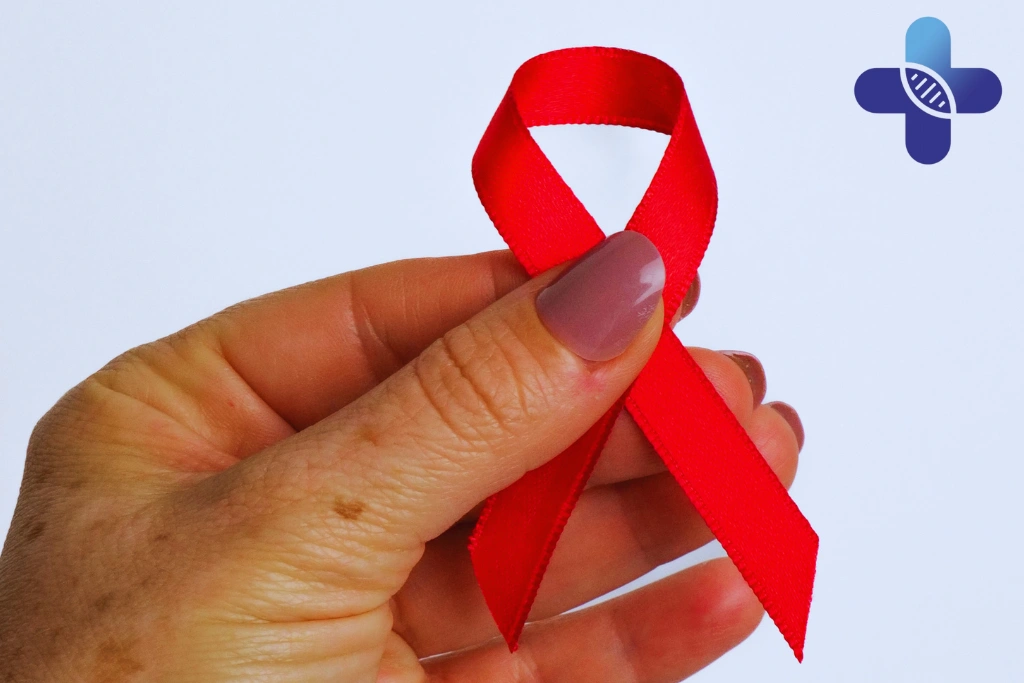
Bali is a place where travel can feel relaxed, social, and spontaneous. Many visitors focus on beaches, nightlife, wellness, food, and new experiences.
But sexual health awareness still matters. AIDS risk in Bali is not about the island itself. It is about possible exposure, delayed testing, and whether HIV is diagnosed and treated early.
AIDS is the advanced stage of untreated HIV infection. WHO explains that HIV can be prevented and treated with antiretroviral therapy, while untreated HIV can progress to AIDS over time.
This article helps travelers, expats, and long-stay visitors understand risk without fear, stigma, or assumptions.
AIDS Risk Is About Exposure, Not the Destination
Bali does not cause AIDS. You cannot develop AIDS from the climate, food, beaches, hotels, restaurants, coworking spaces, or casual social contact.
AIDS develops when HIV remains untreated and the immune system becomes severely weakened. CDC explains that HIV attacks the immune system and, without treatment, can progress through stages, including Stage 3 HIV, also called AIDS.
This means the main question is not whether someone visited Bali. The more important question is whether there has been possible HIV exposure and whether testing has been done.
Exposure can happen during travel, before travel, or during a long stay. Testing helps clarify risk instead of relying on guesswork.
Why Travelers May Underestimate AIDS-Related Health Risks
Many travelers assume that if they feel fine, there is nothing to worry about. That assumption can be misleading.
HIV can be present without obvious symptoms for a period of time. AIDS-related immune decline usually happens later, when untreated infection has affected the immune system more seriously.
In Bali, risk may be overlooked because travel life can feel temporary. A visitor may meet new partners in Canggu, go out in Seminyak or Kuta, stay privately in Uluwatu, or build a longer routine in Ubud without thinking about testing.
This does not mean every traveler is at high risk. It means risk should be judged by exposure history, not by confidence, lifestyle, or location.
Situations That May Increase AIDS-Related Concern
AIDS-related concern becomes more relevant when there has been possible HIV exposure or a long delay in testing.
Exposure Situations That May Need Testing
Testing may be worth considering after:
- Unprotected vaginal or anal sex
- Condom breakage or slipping
- Multiple or new partners
- Unknown partner testing history
- Previous STD diagnosis
- Sharing needles or unsterile injecting equipment
- Long gaps without STD testing
These situations do not mean someone has AIDS. They simply mean testing may be a responsible next step.
If you are unsure whether symptoms are relevant, reading more about AIDS symptoms in Bali may help you understand why symptoms alone are not enough.
Why AIDS Is Often Misunderstood by Travelers
One common misunderstanding is that AIDS itself spreads. It does not.
HIV is the virus that can be transmitted from person to person. AIDS is the advanced stage that can develop if HIV is not treated.
Kemenkes Indonesia explains that HIV weakens the immune system and that treatment can slow disease progression, allowing people to live healthier lives.
This distinction matters because it reduces fear and stigma. It also helps people focus on what actually prevents AIDS-related complications: prevention, testing, early diagnosis, and treatment when needed.
Why Symptoms Are Not a Reliable Way to Judge Risk

Some people wait for symptoms before testing. This is not a safe strategy.
A person may feel healthy after possible exposure. Symptoms can also be mild, delayed, or mistaken for other conditions.
In Bali, fever, fatigue, diarrhea, night sweats, or swollen glands may be blamed on heat, food changes, travel stress, dehydration, or common infections. Sometimes those causes may be correct. Sometimes further testing is needed.
People searching for AIDS risk in Bali should not rely only on how they feel today. Testing gives clearer information than symptoms alone.
If testing has been postponed for a long time, a related guide on delayed STD testing Bali AIDS can help explain why waiting may increase uncertainty.
AIDS Is Not Spread Through Everyday Travel Contact
AIDS-related stigma often comes from fear of casual contact. This fear is not medically accurate.
WHO states that HIV is not spread through kissing, hugging, or sharing food. It is transmitted through specific body fluids such as blood, semen, vaginal fluids, and breast milk.
This means you cannot get HIV from sharing a table, sitting beside someone, using the same pool, hugging, shaking hands, or staying in the same hotel.
Understanding this helps travelers protect themselves without judging or isolating people living with HIV.
When Travelers Should Consider Testing
Testing is useful when there has been possible exposure, uncertainty, or delayed screening. It is not only for people who feel sick.
Testing May Be Worth Considering If
Consider STD testing in Bali if:
- You had unprotected sex
- A condom broke or slipped
- You do not know your partner’s testing history
- You have had multiple or new partners
- You have symptoms that persist or return
- You have never had an STD test
- You want clarity before a new relationship
Testing can also help reduce anxiety. Many people feel more uncertain when they keep guessing based on symptoms or past decisions.
A healthcare provider can also advise whether HIV testing, broader STD screening, repeat testing, or follow-up care is appropriate.
Private Testing Options for Travelers and Expats in Bali
Privacy is one reason travelers delay testing. Some people worry about judgment, confidentiality, or not knowing where to go.
Life Everyouth Bali provides confidential STD testing services in Bali. Its service page states that testing is available at clinics in Sanur and Jimbaran, with home visit STD testing options for travelers who prefer testing at a villa, hotel, or private residence.
Travelers staying near Sanur or Jimbaran may prefer clinic-based testing. Visitors in Canggu, Seminyak, Kuta, Uluwatu, or Ubud may ask whether home STD testing Bali is available for their location.
Private testing should feel practical, not shameful. It is a normal health step after possible exposure or uncertainty.
Need Private STD Testing in Bali?
If you are concerned about AIDS risk in Bali, possible exposure, or delayed sexual health screening, private testing can help you stop relying on assumptions.
Life Everyouth Bali provides confidential STD testing in Bali for travelers, expats, and long-stay visitors, with clinic access in Sanur and Jimbaran and home testing options for selected Bali areas.
Conclusion – AIDS Risk in Bali: What Travelers Should Know

AIDS-related risk in Bali should be understood clearly, not feared blindly.
Bali itself does not cause AIDS. AIDS is the advanced stage of untreated HIV infection, and risk depends on exposure history, testing history, and whether HIV is diagnosed and treated early.
Feeling healthy does not always confirm sexual health status. Symptoms also cannot diagnose AIDS by themselves.
For travelers concerned about AIDS risk in Bali, the most responsible step is to review possible exposure honestly and consider STD testing in Bali when there is uncertainty.
Frequently Asked Question (FAQ) – AIDS Risk in Bali: What Travelers Should Know
Should travelers worry about AIDS risk in Bali?
Travelers do not need to panic, but they should understand AIDS-related risk if there has been possible HIV exposure, unprotected sex, or delayed testing. Risk depends on behavior and exposure history, not the destination alone.
Is AIDS caused by traveling to Bali?
No. AIDS is not caused by Bali, travel, climate, food, hotels, or casual contact. AIDS is the advanced stage of untreated HIV infection.
What is the link between HIV and AIDS?
HIV is the virus that attacks the immune system. AIDS is the advanced stage of untreated HIV infection, when the immune system becomes severely weakened.
Can AIDS risk exist without obvious symptoms?
Yes. Feeling healthy does not always confirm sexual health status. Testing is the reliable way to understand whether HIV or another STD may be involved.
Can I get HIV from sharing food, hugging, or staying near someone?
No. WHO explains that HIV is not spread through kissing, hugging, or sharing food. Casual contact in hotels, restaurants, villas, beaches, or coworking spaces is not a transmission route.
What situations increase AIDS-related concern for travelers?
Unprotected sex, condom failure, unknown partner status, multiple partners, previous STD diagnosis, shared needles, or a long gap since the last test can increase the need for screening.
Should I test if I feel healthy?
Testing may still be appropriate after possible exposure. Feeling healthy does not always mean there is no risk.
Where can travelers get private STD testing in Bali?
Life Everyouth Bali offers confidential STD testing in Bali for travelers, expats, and long-stay visitors, with clinic access in Sanur and Jimbaran.
Is home testing available for travelers staying in villas or hotels?
Yes, home STD testing Bali may be available for selected areas. Availability depends on location, testing needs, and provider arrangements.
When should I contact a Medical Clinic in Bali?
Contact a Medical Clinic in Bali if symptoms persist, if there has been possible exposure, or if you are unsure which test is appropriate. Medical guidance is especially important if symptoms are recurring, severe, or combined with fever, weight loss, night sweats, or swollen lymph nodes.
