
Some travelers feel like they become unwell again every time they recover, especially after flights, crowded places, poor sleep, heat, or digestive changes. If you are asking why do some travelers catch every virus in Bali, it helps to understand broader recovery factors related to the Immune System in Bali, including exposure, sleep, hydration, stress, and how much recovery time the body gets during travel.
Why Do Some Travelers Feel Like They Catch Every Virus in Bali? Exposure, Sleep, and Immune Recovery During Travel

Some travelers feel fine when they arrive in Bali, then suddenly experience one symptom after another.
A sore throat. A mild cough. Fatigue. Stomach discomfort. Headache. Body aches. Then just as one symptom improves, another one appears.
This can make people wonder why they seem to catch “every virus” during their trip.
In reality, it is not always a virus. Symptoms may come from respiratory exposure, digestive upset, dehydration, heat, poor sleep, stress, or incomplete recovery. The body may simply be dealing with too many travel stressors at once.
Why It May Feel Like You Catch Everything During Travel
Travel increases exposure to new environments.
Airports, airplanes, hotel lobbies, cafés, coworking spaces, nightlife, tours, and shared transport can all place travelers around more people than usual. CDC Yellow Book notes that people with confirmed or suspected acute respiratory infections should delay travel until they are no longer thought to be contagious, which highlights how travel settings can involve respiratory infection risk.
This does not mean every symptom is serious.
But when exposure increases while sleep, hydration, and recovery decrease, your body may feel more vulnerable than it normally does at home.
If this keeps happening, why do I keep getting sick in Bali can help explain the broader travel pattern behind repeated symptoms.
Poor Sleep Can Lower Your Recovery Capacity
Sleep is one of the biggest reasons travelers feel run down.
Long flights, jet lag, late nights, early tours, remote work calls, and unfamiliar rooms can reduce sleep quality. After several nights, even mild symptoms may feel stronger.
Research available through the National Institutes of Health explains that regular sleep helps maintain immune function, while sleep deprivation may disrupt immune responses and increase inflammatory signaling.
This does not mean one bad night will automatically make you sick.
The issue is repeated sleep loss combined with travel exposure. When the body does not get enough recovery time, small symptoms may feel bigger and last longer.
For a deeper sleep angle, does lack of sleep affect immunity while traveling in Bali is the most relevant supporting article.
Not Every Symptom Is a Virus
Many travelers describe every new symptom as a virus, but the cause may be different.
A sore throat may come from poor sleep, air conditioning, dehydration, or respiratory exposure. Fatigue may come from heat, alcohol, jet lag, or low fluid intake. Stomach discomfort may come from unfamiliar food or contaminated food and drinks.
CDC Travelers’ Health explains that contaminated food or drinks can cause travelers’ diarrhea and other diseases, and recommends safer eating, drinking, and hand hygiene habits during travel.
This is why symptom patterns matter.
If symptoms keep changing, returning, or overlapping, it is better to look at sleep, hydration, food exposure, activity level, and recovery time together rather than assuming every issue is a new infection.
Travel Stress Can Make the Body Feel More Reactive
Travel stress is not always emotional. It can be physical too.
A full itinerary, traffic, planning, remote work, social pressure, hot weather, and constant movement can keep the body in a high-effort state. Even enjoyable travel can become tiring when there is not enough downtime.
Stress can also affect sleep and appetite. When you sleep poorly and eat irregularly, the body may recover more slowly from small symptoms.
If you feel worse after busy days or work pressure, travel stress can affect your immune system in Bali can help explain how stress and recovery connect.
Signs Your Body May Need More Recovery
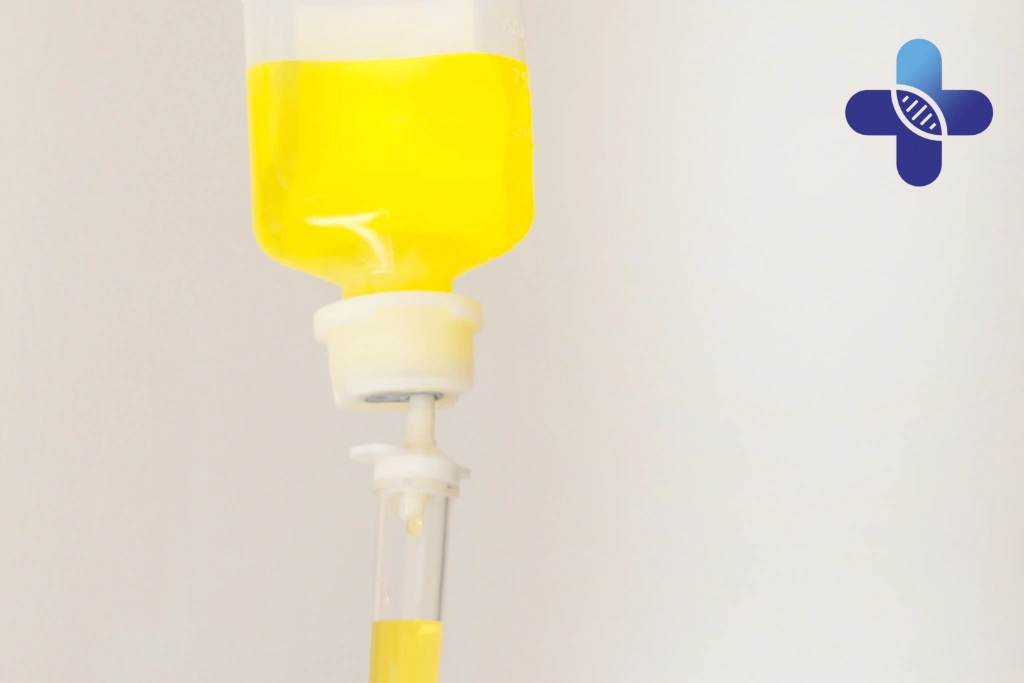
Feeling like you catch everything may be your body’s way of showing that recovery is not complete.
Patterns to Notice During Your Trip
Pay attention if you notice:
- symptoms returning after several busy days
- sore throat or cough after crowded places or flights
- fatigue after poor sleep or late nights
- headaches after heat, alcohol, or dehydration
- digestive discomfort after unfamiliar food
- low appetite or irregular meals
- feeling better after rest, then worse after activity
- needing more caffeine to stay active
- slower recovery after mild illness
- symptoms becoming stronger after pushing your schedule
These patterns do not confirm a diagnosis. They suggest your body may need a slower pace and better recovery support.
When Repeated Symptoms Need Medical Guidance
It is easy to assume repeated symptoms are only from travel fatigue.
But some symptoms should not be ignored, especially when they persist, worsen, or return repeatedly. CDC Yellow Book describes common syndromes in ill travelers, including fever, respiratory illness, gastrointestinal illness, and central nervous system concerns.
If symptoms are unclear or difficult to manage, contacting a trusted Medical Clinic in Bali can help travelers decide whether rest is enough or whether medical evaluation is needed.
Warning Signs That Should Not Be Ignored
Seek medical guidance if symptoms include:
- persistent or returning fever
- repeated vomiting or diarrhea
- signs of dehydration
- severe weakness that does not improve with rest and fluids
- fainting, confusion, or unusual drowsiness
- chest pain or breathing difficulty
- severe abdominal pain
- blood in stool or worsening digestive symptoms
- symptoms that keep getting worse
- symptoms in children, elderly travelers, pregnant travelers, or people with chronic illness
These signs should not be managed by assuming you are only tired or “catching another virus.”
For a clearer decision guide, when should you seek medical help for frequent illness in Bali is the most relevant next article.
How to Reduce the Cycle of Repeated Symptoms
The goal is not to avoid every exposure. That is impossible during travel.
The goal is to reduce the load on your body.
Sleep earlier for a few nights. Drink safe fluids regularly. Wash hands before eating. Use hand sanitizer when soap and water are not available. Eat foods that are freshly cooked and served hot when possible. Avoid pushing through full-day activities when your body feels weak.
CDC Travelers’ Health recommends handwashing before eating and preparing food, and using alcohol-based sanitizer with at least 60% alcohol when soap and water are not available.
If you have respiratory symptoms, reduce close contact with others where possible and give your body time to recover before returning to crowded plans.
Small changes can help break the cycle.
Where Immune Support May Fit
Some travelers still feel weak, dehydrated, low on appetite, or slow to recover even after rest, fluids, and a lighter schedule.
For suitable travelers, Immune Booster IV Drip Bali may be considered as supportive care for hydration and selected nutrient support. It should not be treated as a cure for viruses, a guaranteed prevention method, or a replacement for medical evaluation.
As a Medical Clinic in Bali, Life Everyouth Bali can help assess whether supportive IV care is suitable based on symptoms, hydration status, medical history, and current condition.
Life Everyouth Bali lists Immune Booster IV Drip Bali options, clinic access in Sanur and Jimbaran, and home visit IV therapy options for hotels, villas, or private residences.
Travelers staying in areas such as Canggu, Ubud, Uluwatu, Seminyak, Kuta, Nusa Dua, or Denpasar may ask about home visit availability depending on condition, location, schedule, and medical suitability.
Conclusion – Why Do Some Travelers Catch Every Virus in Bali?

If you are asking why do some travelers catch every virus in Bali, the answer is usually not one simple cause.
Repeated symptoms may come from higher exposure, poor sleep, stress, heat, dehydration, food changes, crowded places, or not enough recovery time.
Start with rest, safe fluids, simple meals, better sleep, hand hygiene, and a lighter schedule. If symptoms persist, worsen, or include fever, vomiting, diarrhea, dehydration, chest pain, confusion, breathing difficulty, or severe weakness, medical guidance is the safer next step.
For suitable travelers, Immune Booster IV Drip Bali may be considered as supportive care through Life Everyouth Bali.
Frequently Asked Questions (FAQs) – Why Do Some Travelers Catch Every Virus in Bali?
Why do some travelers catch every virus in Bali?
Some travelers feel this way because travel increases exposure while reducing recovery time. Poor sleep, stress, dehydration, heat, crowded places, food changes, and incomplete rest can all make symptoms feel more frequent.
Is it really a virus every time I feel sick?
Not always. Fatigue, sore throat, headache, stomach discomfort, or weakness may come from different causes, including dehydration, poor sleep, heat, digestion changes, alcohol, stress, or respiratory exposure.
Can poor sleep make me more vulnerable during travel?
Yes. Regular sleep helps maintain immune function, while sleep deprivation may disrupt immune responses and increase inflammatory signaling.
Can flights and airports increase exposure?
Yes. Travel settings can increase contact with other people and shared surfaces. CDC Yellow Book advises people with suspected or confirmed acute respiratory infections to delay travel until they are no longer thought to be contagious.
Can food or drinks make me feel sick repeatedly?
Yes. Contaminated food or drinks can cause travelers’ diarrhea and other diseases, which may disrupt travel and contribute to fatigue, weakness, and dehydration.
What should I do first if I keep feeling sick?
Start with rest, safe fluids, simple meals, better sleep, hand hygiene, and a lighter schedule. Avoid alcohol and intense activity while your body feels weak.
When should I seek medical help?
Seek medical guidance if symptoms include persistent fever, repeated vomiting or diarrhea, dehydration signs, severe weakness, chest pain, breathing difficulty, confusion, fainting, blood in stool, or worsening symptoms.
Can Immune Booster IV Drip Bali help if I feel run down?
For suitable travelers, Immune Booster IV Drip Bali may support hydration and selected nutrient needs. It should not replace medical evaluation when symptoms are severe, persistent, or unclear.
Does Life Everyouth Bali provide clinic and home visit options?
Yes. Life Everyouth Bali is a Medical Clinic in Bali with clinic access in Sanur and Jimbaran, plus home visit IV therapy options for hotels, villas, or private residences depending on condition, location, schedule, and medical suitability.
How can I reduce the chance of repeated symptoms during my trip?
Sleep consistently, hydrate regularly, wash hands before eating, choose food and drinks carefully, avoid pushing through illness, reduce alcohol when weak, and schedule lighter days after flights, nightlife, or crowded activities.
