
Feeling weak, tired, or easier to get sick during travel can happen when sleep, hydration, food intake, digestion, heat exposure, and recovery time change at the same time. Understanding the Immune System in Bali can help travelers respond more calmly and recognize when the body may need rest, hydration, nutrition support, or medical guidance.
Immune System in Bali: Why Travelers May Feel Weak, Get Sick Easily, and How to Support Recovery
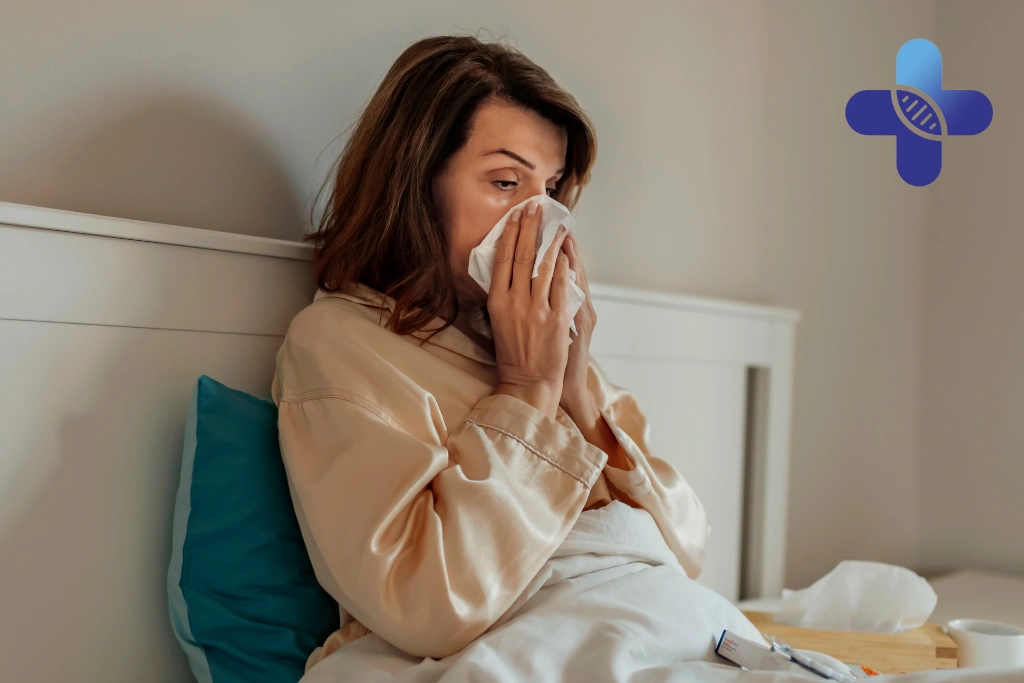
Bali is often associated with rest, sunshine, beaches, and wellness. But even a relaxing trip can place pressure on the body.
Some travelers arrive feeling excited, then a few days later feel unusually tired. Others feel weak after outdoor activities, recover slowly after mild illness, lose appetite, or feel like they keep catching something during their stay.
This does not always mean something serious is happening. It also does not always mean your immune system is “bad.”
In many cases, the body is responding to several travel-related changes at once: poor sleep, heat, dehydration, unfamiliar food, alcohol, long travel days, stress, and not enough recovery time.
That is why the Immune System in Bali is an important topic for tourists, expats, digital nomads, families, and long-stay visitors. The goal is not to create fear, but to understand what may affect your body and what you can do to support recovery safely.
Why Your Immune System May Feel Different in Bali
Your immune system is influenced by daily habits.
Sleep, hydration, food, stress, physical activity, and exposure to unfamiliar environments all play a role in how your body feels. During travel, these habits often change quickly.
You may sleep less than usual, spend more time outdoors, eat at different times, drink more alcohol, sweat more, or move between air-conditioned rooms and humid weather several times a day.
These changes can make the body feel less resilient. A traveler who normally feels healthy at home may feel weaker in Bali simply because their body is adapting to a different rhythm.
Travel Fatigue Can Affect Recovery
Travel fatigue is not only about feeling sleepy after a flight.
Long flights, airport transfers, jet lag, early tours, late nights, and packed itineraries can reduce the time your body has to recover. Even enjoyable activities can become physically demanding when they happen back-to-back.
Why Poor Sleep May Make Symptoms Feel Stronger
Sleep is especially important during travel. Research available through the National Institutes of Health explains that sleep and immune function are closely connected, and that sleep has a strong regulatory influence on immune function.
When travelers sleep poorly for several nights, they may notice more fatigue, slower recovery, or stronger reactions to minor symptoms.
This can happen in busy areas like Canggu, Seminyak, Uluwatu, Ubud, Kuta, Sanur, Jimbaran, or Nusa Dua, especially when travel days combine outdoor activities, nightlife, work calls, and limited rest.
A related topic like travel fatigue Bali can help explain why activity, sleep, and recovery often need to be balanced during a trip.
Heat and Dehydration Can Make Weakness Feel Worse
Bali’s warm climate can increase fluid loss.
Travelers may sweat more than usual during beach days, walking tours, surfing, temple visits, waterfalls, long drives, or outdoor workouts. If fluid intake does not keep up, weakness and fatigue may become more noticeable.
CDC Travelers’ Health explains that heat illness risk during travel can be affected by destination, activity, hydration, and age, while CDC Yellow Book notes that heat-related symptoms can include nausea, vomiting, headache, muscle weakness, and lethargy.
Dehydration may also happen gradually. You may not feel extremely thirsty at first, but your body may still be affected by heat, alcohol, sweating, diarrhea, vomiting, or low fluid intake.
This is why dehydration affects your immune system in Bali is an important supporting topic for travelers who feel weak or slow to recover.
Food and Digestive Changes During Travel
Food is part of the Bali experience. Trying local meals, cafés, seafood, street food, and new ingredients can be enjoyable.
But travel can also expose the digestive system to unfamiliar food and water conditions.
CDC Travelers’ Health explains that contaminated food or drinks can cause travelers’ diarrhea and other diseases, and recommends safer eating, drinking, and hand hygiene habits during travel.
Digestive symptoms can affect more than the stomach. Diarrhea, vomiting, nausea, or poor appetite can reduce fluid intake, lower energy, disturb sleep, and make recovery feel slower.
Why Digestive Symptoms Can Affect Overall Energy
When digestion is disturbed, travelers may eat less, drink less, sleep poorly, and avoid normal routines.
A short digestive upset may improve with rest, safe fluids, and simple meals. But if digestive symptoms come with persistent fever, worsening weakness, blood in stool, repeated vomiting, or signs of dehydration, it is safer to seek medical guidance.
For a deeper cluster connection, food exposure and immune system while traveling can explain why digestion, hydration, and recovery are closely linked.
Why Small Illnesses May Feel Bigger During Travel
A mild sore throat, short fever, or simple stomach upset may feel more intense during travel because the body is already under pressure.
Poor sleep, heat, dehydration, alcohol, irregular meals, and activity overload can make symptoms feel stronger. Recovery may also take longer if you return too quickly to surfing, nightlife, workouts, tours, or long-distance transfers.
This is why some travelers search why do I keep getting sick in Bali, even when the issue may be a pattern of incomplete recovery.
If symptoms improve after rest, fluids, sleep, and simple meals, the issue may be related to travel load. But if symptoms persist, return, or worsen, medical guidance becomes more important.
Common Signs Your Body May Need More Recovery
Not every symptom means something serious. Still, some patterns are worth paying attention to.
Patterns Worth Paying Attention To
Your body may need more recovery support if you notice:
- unusual weakness after mild activity
- fatigue that does not improve after sleep
- dizziness or headache after heat exposure
- poor appetite for more than a short period
- slow recovery after fever, diarrhea, or vomiting
- repeated minor illness during the trip
- feeling dehydrated despite drinking fluids
- needing more rest than usual to function normally
These signs do not confirm low immunity. They simply suggest that the body may need better rest, hydration, nutrition, and possibly medical guidance if symptoms continue.
A symptom-focused article like signs your immune system may be weak while staying in Bali can support readers who want to understand these patterns more clearly.
Hydration Is One of the First Things to Check

When travelers feel weak in Bali, hydration is often one of the first areas to review.
Fluid loss can happen through sweating, alcohol, vomiting, diarrhea, or simply forgetting to drink enough during long activity days.
CDC Yellow Book explains that fluids and electrolytes are lost during travelers’ diarrhea, and that replacement is important. For severe fluid loss, oral rehydration solution is generally recommended.
For mild symptoms, safe fluids, rest, and oral rehydration solution may help. If vomiting or diarrhea continues, or if weakness becomes severe, do not rely only on water or supplements.
Medical guidance may be needed.
Nutrition and Immune Support During a Bali Trip
Nutrition matters because the body needs enough energy and nutrients to function normally.
During travel, many people eat less consistently. They may skip breakfast before tours, drink more coffee, eat late, lose appetite after digestive symptoms, or rely on snacks during busy days.
This can make weakness feel worse.
Nutrients such as vitamin C, vitamin D, zinc, and other micronutrients are commonly discussed in immune health. NIH Office of Dietary Supplements provides evidence-based information on dietary supplement ingredients involved in immune function, including vitamin C, vitamin D, and zinc.
However, vitamins should not be treated as a guaranteed way to prevent illness. Nutrient support can be useful when intake has been low, but it should sit alongside sleep, hydration, safe food habits, rest, and medical guidance when symptoms are concerning.
Related topics like can vitamin deficiency lower your immunity in Bali can expand this part of the cluster naturally.
Food Choices That May Support Recovery
When you feel weak or run down, simple meals are often better than heavy meals.
Choose foods that are easier to tolerate. Rice, soup, eggs, cooked vegetables, lean protein, bananas, toast, and safe fluids may be more practical when appetite is low.
If your digestion is unsettled, avoid forcing large meals. Smaller meals may be easier while the body recovers.
Food safety also matters. Washing hands before eating, choosing safer food and drinks, and being careful with high-risk foods can reduce the chance of travel-related digestive illness. CDC Travelers’ Health recommends safer eating and drinking habits because contaminated food and drinks can disrupt travel.
Sleep, Stress, and Digital Nomad Routines
Not all travelers in Bali are on holiday. Some are working remotely, joining retreats, studying, or staying long-term.
Digital nomads may spend long hours on screens, work across time zones, sleep late, skip meals, and move between air-conditioned rooms and outdoor heat.
Over time, this can affect energy and recovery.
Stress does not always feel dramatic. It may show up as poor sleep, low appetite, headaches, fatigue, or feeling unable to recover fully.
For long-stay visitors, supporting immunity often means building a stable rhythm: regular sleep, consistent meals, enough fluids, movement without overtraining, and realistic downtime.
A supporting article like how travel stress can affect your immune system in Bali can help readers understand this pattern more deeply.
When Frequent Illness Should Not Be Ignored
Feeling tired after a long day is common. Getting a mild stomach upset once can happen during travel.
But symptoms that persist, worsen, or return should be taken more seriously.
Warning Signs That Need Medical Guidance
Seek medical guidance if you experience:
- persistent or returning fever
- repeated vomiting or diarrhea
- signs of dehydration
- severe weakness that does not improve with rest and fluids
- fainting, confusion, or unusual drowsiness
- chest pain or breathing difficulty
- severe abdominal pain
- blood in stool or worsening digestive symptoms
- symptoms that keep getting worse
- symptoms in children, elderly travelers, pregnant travelers, or people with chronic illness
CDC Yellow Book describes common syndromes in ill travelers, including fever, respiratory illness, gastrointestinal illness, and central nervous system concerns, which supports careful evaluation when symptoms are persistent or concerning.
These symptoms do not confirm a specific illness. They are reasons to get medical support instead of assuming the problem is only low immunity.
If symptoms are persistent, worsening, or difficult to understand, contacting a trusted Medical Clinic in Bali can help travelers decide whether evaluation or supportive care is more appropriate.
For a decision-focused supporting topic, when should you seek medical help for frequent illness in Bali can guide readers toward the next step.
How to Support Your Immune System in Bali
Supporting your body during travel does not need to be complicated.
Start with the basics. Sleep more when your body feels tired. Drink safe fluids regularly. Eat simple meals. Reduce alcohol when feeling weak. Take breaks from intense activities.
If you are recovering from fever, diarrhea, vomiting, or dehydration, return to activities gradually.
A full-day tour, surf lesson, night out, or long transfer may be better after strength returns.
Recovery is not only about what you take. It is also about what you stop doing for a short time so the body can reset.
Where Immune Booster IV Drip Bali May Fit
Some travelers may still feel weak, dehydrated, low on appetite, or slow to recover even after trying to rest and drink fluids.
For suitable travelers, Immune Booster IV Drip Bali may be considered as supportive care for hydration and selected nutrient support. It should not be described as a cure for infection, a guaranteed prevention method, or a replacement for medical evaluation.
Supportive Care, Not a Replacement for Evaluation
As a Medical Clinic in Bali, Life Everyouth Bali can help assess whether supportive IV care is suitable based on symptoms, hydration status, and medical history.
Life Everyouth Bali has a dedicated service page for Immune Booster IV Drip Bali, with clinic access in Sanur and Jimbaran and home visit IV therapy options for hotels, villas, or private residences. The page also lists Basic Immune Booster Package, Premium Immune Booster Package, and Super Immune Booster Package options.
A clinic visit may be suitable if you can travel safely to Sanur or Jimbaran. A home visit may be considered if you are staying at a hotel, villa, or private residence, depending on condition, location, schedule, and availability.
If symptoms are severe, unclear, or worsening, medical guidance should come before booking supportive IV care.
Practical Recovery Plan for Travelers
A simple recovery plan can help you decide what to do next.
First, look at what changed. Did you sleep poorly? Spend hours in the sun? Drink alcohol? Eat unfamiliar food? Have diarrhea or vomiting? Skip meals?
Second, restore the basics. Rest, drink safe fluids, eat simple foods, avoid alcohol, stay cool, and reduce activity for a day.
Third, monitor your symptoms. If you clearly improve, continue recovering slowly. If symptoms persist, return, or worsen, seek medical guidance.
If symptoms do not improve after basic recovery steps, speaking with a Medical Clinic in Bali may be safer than guessing the cause on your own.
For selected travelers, immune support, hydration support, or IV drip may fit. But warning signs should be checked first.
Conclusion – Immune System in Bali: Traveler Guide to Staying Healthy

Your Immune System in Bali can be affected by sleep, hydration, food intake, heat, digestion, stress, alcohol, and travel fatigue.
If you feel weak or slow to recover, start with rest, safe fluids, simple meals, and lighter activity. If symptoms persist, worsen, or come with fever, vomiting, diarrhea, dehydration, or severe weakness, medical guidance is the safer next step.
For suitable travelers, Immune Booster IV Drip Bali may be considered as supportive care through Life Everyouth Bali.
Frequently Asked Questions (FAQs) – Immune System in Bali: Traveler Guide to Staying Healthy
Is it normal to feel weaker than usual in Bali?
Yes, it can happen. Poor sleep, heat, dehydration, digestive changes, alcohol, and a busy itinerary can make travelers feel weaker than usual.
Does feeling weak mean I have low immunity?
Not always. Weakness during travel may come from fatigue, dehydration, low food intake, stress, poor sleep, or digestive symptoms. It does not automatically mean immune deficiency.
Can dehydration affect how my immune system feels?
Yes. Dehydration can make fatigue, dizziness, headache, and weakness feel worse, especially after heat exposure, sweating, diarrhea, vomiting, or alcohol.
Can poor sleep affect immunity while traveling?
Yes. Sleep and immune function are closely connected, and poor sleep may make recovery feel slower during travel.
What foods can support recovery in Bali?
Simple meals such as rice, soup, eggs, cooked vegetables, lean protein, bananas, toast, and safe fluids may help support recovery when appetite is low.
Should I take vitamins if I feel low on immunity?
Vitamins and minerals can support normal immune function, but they should not be treated as guaranteed illness prevention. If symptoms persist, medical guidance is safer.
When should I seek medical help in Bali?
Seek medical guidance if you have persistent fever, repeated vomiting or diarrhea, severe weakness, dehydration signs, chest pain, breathing difficulty, fainting, confusion, blood in stool, or worsening symptoms.
Can Immune Booster IV Drip Bali help if I feel weak?
For suitable travelers, Immune Booster IV Drip Bali may support hydration and selected nutrient needs. It should not replace medical evaluation when symptoms are severe, persistent, or unclear.
Does Life Everyouth Bali offer clinic and home visit options?
Yes. As a Medical Clinic in Bali, Life Everyouth Bali lists clinic access in Sanur and Jimbaran, with home visit IV therapy options for hotels, villas, or private residences. Availability may depend on condition, location, schedule, and medical suitability.
Which immune booster package should I choose?
The suitable package depends on symptoms, goals, hydration status, and medical suitability. Life Everyouth Bali provides several immune booster package options, and travelers should choose after considering symptoms and suitability.
