
Surfing injuries can involve the skin, muscles, joints, or head, even when the initial pain appears manageable. Travelers with persistent pain, swelling, wounds, or movement problems can seek assessment from a general practitioner in Jimbaran to determine whether primary care, imaging, or hospital treatment is appropriate.
Surf Injury Jimbaran Bali: When to Seek Medical Care
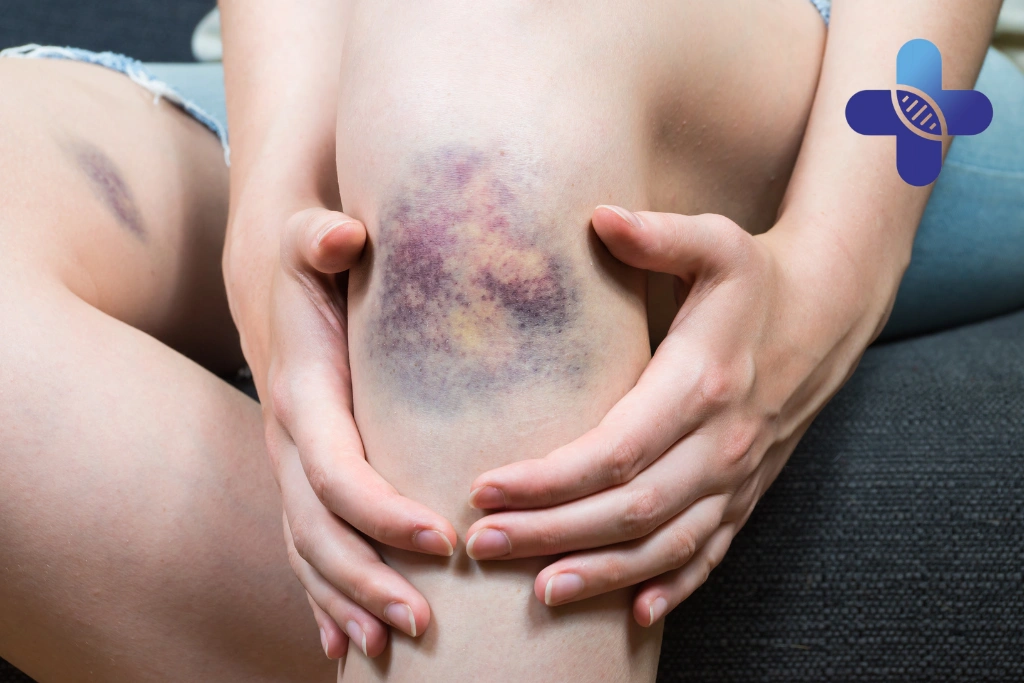
Surfing around Bali can involve falls, board impacts, sharp reef surfaces, and repeated strain on the shoulders, back, knees, and ankles.
Some injuries cause only temporary soreness. Others may involve a sprain, deeper wound, fracture, dislocation, or concussion that is not obvious immediately after leaving the water.
Pain and swelling can also develop several hours after an impact. This makes it important to monitor how the injury changes rather than judging its severity only from how it felt at the beach.
Common Surfing Injuries
Surf injuries vary according to the type of fall, the surface involved, and the part of the body affected.
Problems That May Need Assessment
- Cuts or scrapes from reef, coral, or the board
- Ankle, knee, wrist, or shoulder sprains
- Muscle strains involving the neck or back
- Joint swelling or restricted movement
- Bruising after board impact
- Headache or dizziness after hitting the head
- Ear discomfort after repeated water exposure
- Pain that becomes stronger after leaving the water
Sprains commonly cause pain, swelling, bruising, and difficulty using or placing weight on the affected joint. Those signs are particularly important when they follow a fall or direct impact.
A traveler with an open reef wound may also need the more specific guidance provided in coral cut treatment Jimbaran Bali.
What to Do Immediately After a Surf Injury
Leave the water when pain, bleeding, weakness, or reduced movement makes it unsafe to continue surfing.
Apply gentle pressure with a clean cloth or dressing if a wound is bleeding. Once bleeding is controlled, rinse cuts with clean running water and remove visible debris only when it can be done safely. Medical assessment is appropriate when dirt or foreign material cannot be removed.
For a painful joint or muscle injury, stop the activity and protect the affected area. Do not force a joint through pain or attempt to correct a possible dislocation yourself.
Avoid returning to the sea with an open wound. Further exposure to sand, seawater, and friction may irritate damaged tissue and complicate wound care.
When Pain or Swelling Needs a Doctor
Minor soreness may settle after activity stops, but worsening pain or restricted movement deserves closer attention.
A medical examination may be appropriate when the traveler cannot bear weight, cannot use the affected limb normally, or develops significant swelling and bruising. These changes can occur with sprains, fractures, and other soft-tissue injuries.
A GP may examine the injured area, check circulation and sensation, assess joint stability, clean superficial wounds, and determine whether imaging or specialist care is needed.
Travelers who surf regularly may also find broader medical guidance through doctor for surfers Bali.
Head Impacts and Possible Concussion
A head injury should not be dismissed simply because there is no visible wound.
Possible concussion symptoms include headache, dizziness, balance problems, nausea, vomiting, vision changes, sensitivity to light or noise, unusual tiredness, difficulty concentrating, and feeling mentally slowed down.
Symptoms may begin immediately or become more noticeable after leaving the beach. The injured traveler should not return to surfing while concussion is suspected.
Warning Signs Requiring Urgent Hospital Care
- Loss of consciousness
- Repeated vomiting
- Increasing confusion
- A worsening headache
- Seizure
- Unequal pupils
- Weakness or numbness
- Difficulty waking the injured person
- Problems speaking or walking
- Significant neck or spinal pain
Some complications after a head injury may develop gradually rather than immediately.
A routine clinic consultation should not delay emergency assessment when severe neurological symptoms are present.
Wound Infection and Follow-Up
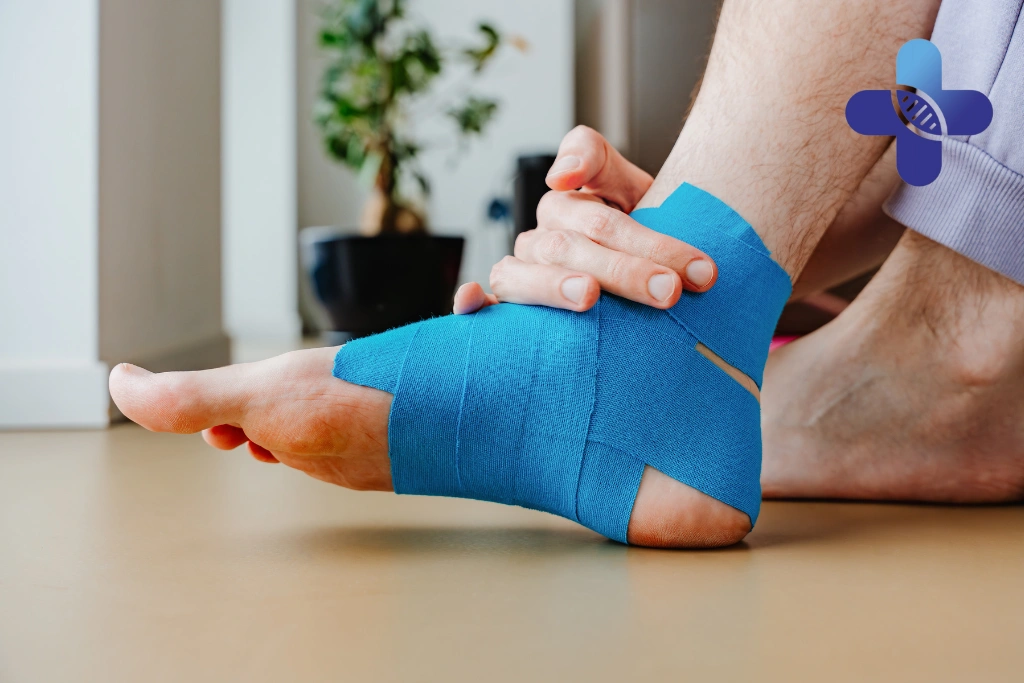
Surf wounds should be monitored after the initial cleaning.
Increasing redness, warmth, swelling, discharge, worsening pain, or fever may indicate that the wound needs professional evaluation.
A doctor may assess whether further cleaning, a dressing, medication, vaccination review, or referral is appropriate. Treatment depends on the wound’s depth, location, contamination, and the patient’s medical history.
Travelers who have already received treatment but remain concerned about healing can review follow-up doctor Jimbaran.
Do not wait for a planned follow-up if the wound or general condition deteriorates rapidly.
Medical Assessment for a Surf Injury in Jimbaran
A general practitioner may be suitable for stable wounds, mild-to-moderate sprains, bruising, muscle pain, and other injuries that do not appear immediately life-threatening.
Hospital care is more appropriate for severe head injury, suspected spinal injury, heavy bleeding, visible deformity, loss of sensation, severe pain, or inability to move the affected limb.
Life Everyouth Bali is located at: Jl. Uluwatu II No.10X Jimbaran, Kec. Kuta Sel. Kabupaten Badung, Bali 80361
Travelers can contact the clinic through WhatsApp at +62 858-8788-8911.
Include the patient’s name, age, location, injured body part, time of injury, ability to move or bear weight, and whether there was any head impact.
Travelers can also ask about access to a general practitioner in Bali. Consultation availability, fees, wound treatment, imaging, and additional procedures should be confirmed directly.
Conclusion – Surf Injury in Jimbaran Bali: When to See a Doctor
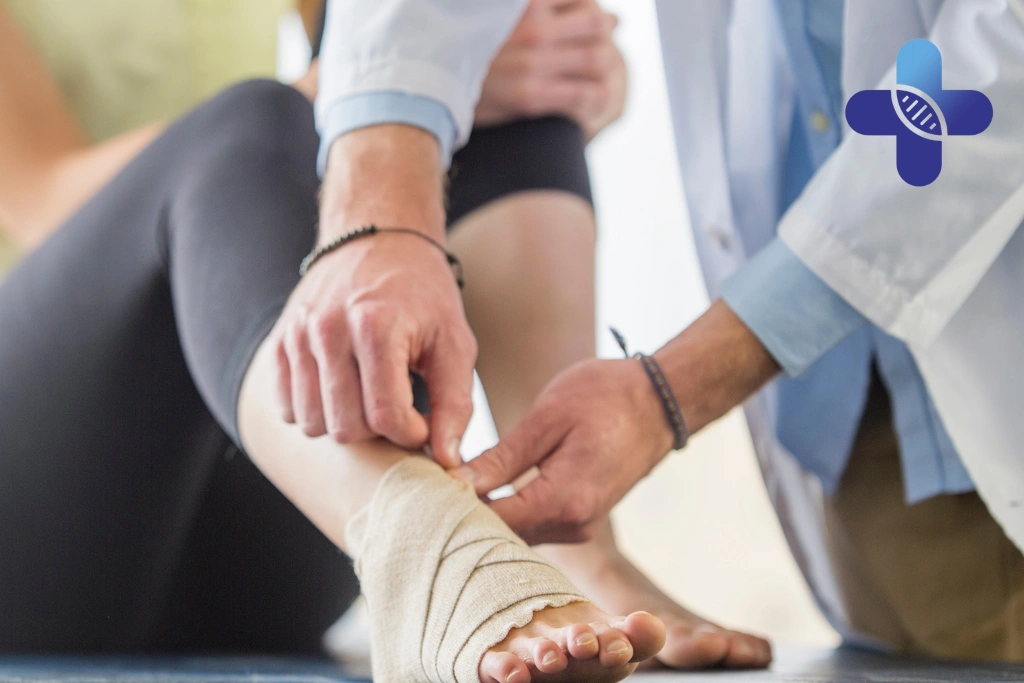
A surf injury may involve more than temporary soreness.
Cuts should be cleaned carefully, while pain, swelling, restricted movement, and head-injury symptoms should be monitored closely. A GP may assess stable injuries and determine whether wound care, medication, imaging, or specialist treatment is needed.
Loss of consciousness, repeated vomiting, confusion, severe bleeding, suspected spinal injury, visible deformity, or rapidly worsening symptoms require urgent hospital care.
Frequently Asked Questions (FAQs) – Surf Injury in Jimbaran Bali: When to See a Doctor
What is the most common type of surfing injury?
Surfing injuries commonly include cuts, bruises, sprains, muscle strains, joint injuries, and head impacts. The type and severity depend on the fall, board impact, and contact with the reef or seabed.
Should I see a doctor for a minor surf injury?
Medical assessment may be helpful when pain persists, swelling increases, the wound is contaminated, or movement remains limited. A minor-looking injury can sometimes be deeper than it first appears.
Can I surf again with a cut?
Returning to the water with an open wound is generally not advisable. Seawater, sand, friction, and repeated trauma may irritate the area and complicate healing.
How should I clean a reef cut?
Control bleeding with gentle pressure, then rinse the wound thoroughly with clean running water. Seek medical help if debris remains, the cut is deep, or bleeding does not stop.
How do I know whether a joint is sprained or broken?
Both can cause pain, swelling, bruising, and difficulty moving. A physical examination and sometimes imaging are needed to distinguish them reliably.
Can concussion symptoms appear later?
Yes. Symptoms after a head injury may become more noticeable over time, including headache, nausea, dizziness, confusion, and balance problems.
When should a surf injury go directly to hospital?
Hospital care is appropriate for loss of consciousness, repeated vomiting, severe bleeding, suspected spinal injury, visible deformity, loss of sensation, or rapidly worsening neurological symptoms.
Can a GP arrange an X-ray?
A GP may recommend imaging when a fracture or another structural injury is suspected. The test may need to be completed at a separate diagnostic or hospital facility.
Where can travelers seek help in Jimbaran?
The clinic is located at Jl. Uluwatu II No.10X, Jimbaran, Kec. Kuta Sel., Kabupaten Badung, Bali 80361. Confirm availability before visiting.
How can I contact the clinic?
Contact the clinic through WhatsApp at +62 858-8788-8911. Use the WhatsApp button above and describe the injury, when it happened, and whether the patient can move normally.
