
Preparing for a long-haul trip to Bali sometimes starts before boarding the plane, especially for travelers concerned about sleep disruption and exhaustion after arrival. Visitors planning stays around Seminyak, Canggu, Sanur, Jimbaran, Nusa Dua, Ubud, Kuta, or Uluwatu may wonder whether changing sleep schedules before departure could help reduce jet lag Bali symptoms during the first few days after crossing multiple time zones.
How Adjusting Your Sleep Before Flying May Help Reduce Jet Lag in Bali
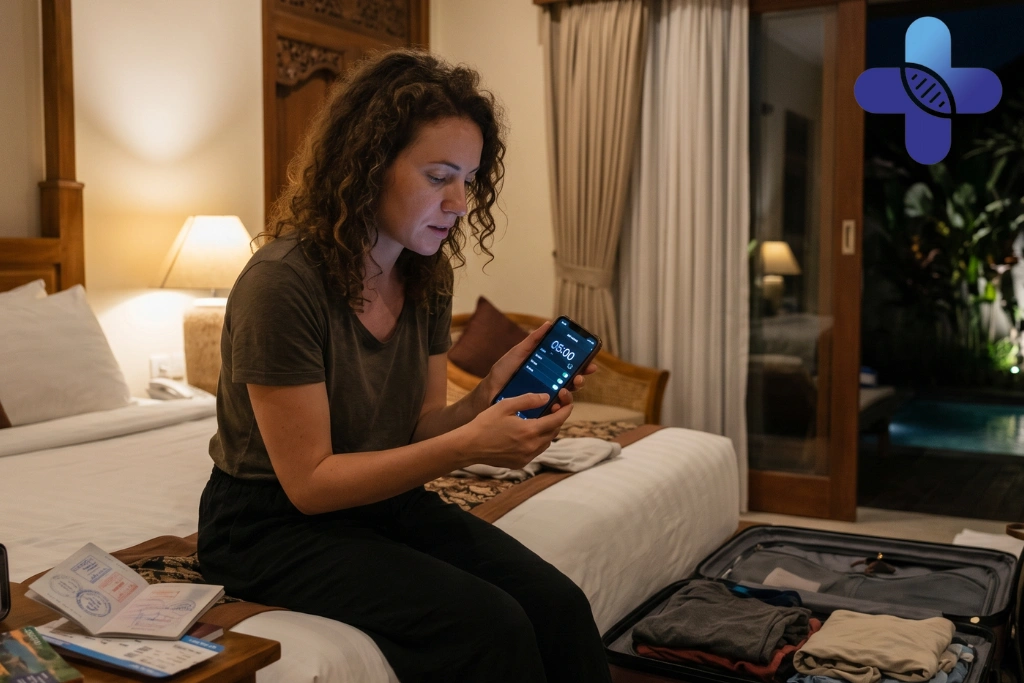
Many travelers only think about jet lag after arriving in Bali, but preparation before departure may also influence how the body adjusts after long-haul travel. Sudden time-zone changes often feel more difficult when travelers begin the trip already sleep deprived or physically exhausted.
Some people gradually adjust sleep timing before departure in an attempt to reduce the shock of crossing multiple time zones. While this may not fully prevent jet lag, certain pre-flight habits may help support smoother adjustment during the first days after arrival.
For travelers planning coworking schedules in Canggu, retreat activities in Ubud, beach stays in Nusa Dua, or surf trips around Uluwatu, preparing sleep routines before departure may help reduce additional exhaustion after travel.
Why Jet Lag Happens After Long Flights
Jet lag occurs when the body’s circadian rhythm becomes temporarily misaligned after rapid travel across multiple time zones.
The circadian rhythm helps regulate sleep, hormones, digestion, alertness, and daytime energy. After arriving in Bali, the body may still follow the original home-country schedule instead of local time.
Travelers often notice symptoms such as daytime fatigue, disrupted sleep, sluggishness, and brain fog during the adjustment period.
Why Sleep Before Travel Matters
Starting a long-haul trip already sleep deprived may sometimes intensify post-flight exhaustion after arrival.
Late-night packing, stressful schedules, overnight departures, and poor sleep before flying may reduce the body’s ability to adapt comfortably during travel. Travelers arriving physically depleted may feel stronger jet lag symptoms during the first few days in Bali.
Many travelers later realize that poor sleep before flying can make jet lag worse after crossing multiple time zones.
How Gradual Sleep Adjustment May Help
Some travelers gradually shift sleep schedules before departure by moving bedtime and wake-up time slightly closer to Bali local time before traveling.
This approach may help reduce the sudden circadian rhythm disruption caused by rapid international travel. Even small adjustments before departure may sometimes help the body adapt more comfortably after arrival.
The effectiveness may vary depending on travel distance, timing, work schedules, and overall sleep quality before the trip.
Why Sleep Preparation Is Not Always Enough
Adjusting sleep before flying may help support circadian adjustment, but long-haul travel still places physical stress on the body.
Airport stress, overnight flights, dehydration, poor sleep quality during flights, and prolonged sitting may still contribute to fatigue after arriving in Bali.
Travelers already feeling exhausted after arrival may also relate to feel off after crossing time zones to Bali during the first days after long-haul travel.
Hydration and Recovery Still Matter
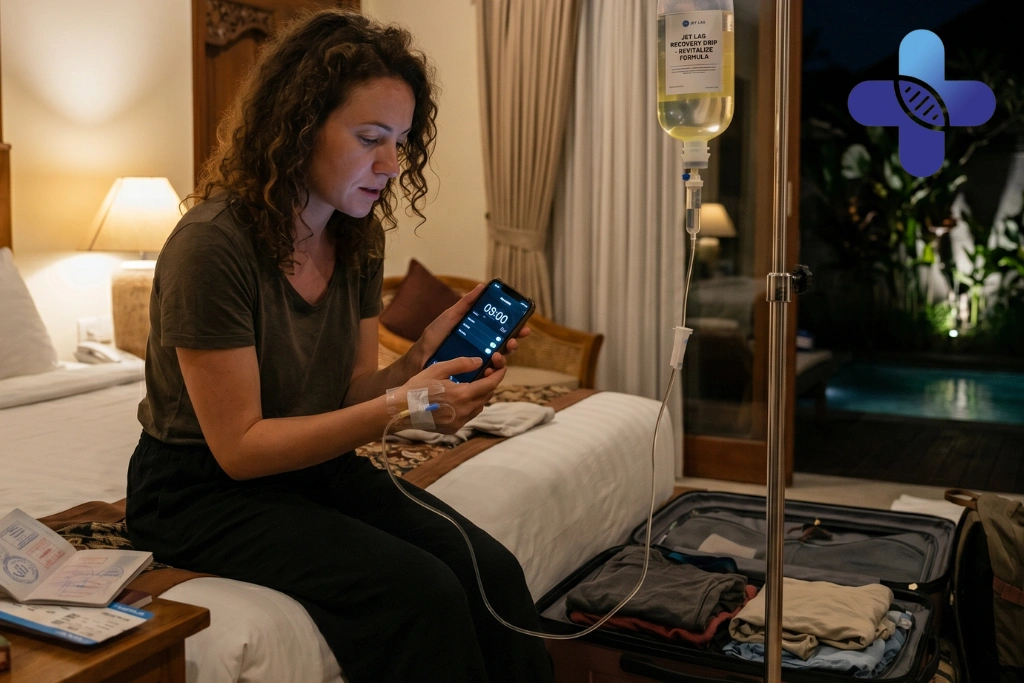
Hydration remains important even when travelers prepare sleep schedules before departure.
Airplane cabins contain extremely dry air, which may increase fluid loss during long-distance travel. Bali’s tropical climate may also increase sweating after arrival, especially during outdoor activities.
Symptoms That May Still Happen During Recovery
- daytime fatigue
- headaches
- dizziness
- sluggishness
- brain fog
- disrupted sleep
- low stamina
- poor concentration
Many travelers experience a combination of circadian disruption, dehydration, and physical fatigue during the adjustment period.
What Else May Help Support Recovery?
Pre-flight sleep adjustment is usually combined with broader recovery habits after arrival.
Recovery Habits That May Support Adjustment
- gradually adjust sleep timing before departure
- hydrate consistently after flights
- spend time outdoors during daylight
- follow Bali local sleep timing when possible
- balance activity with rest
- avoid excessive alcohol after flights
- allow gradual adjustment
- avoid overpacking schedules initially
Some travelers also benefit from following a realistic jet lag recovery plan Bali during the first days after arrival.
Why Recovery Feels Different for Every Traveler
Jet lag recovery may vary depending on travel distance, sleep quality, stress, age, hydration, and overall physical condition.
Travelers crossing many time zones or starting the trip already sleep deprived may notice stronger symptoms during the adjustment period. Others may recover more comfortably with balanced pacing and gradual adjustment.
The body often needs time to fully adapt after long-haul international travel.
When Fatigue May Need Medical Attention
Fatigue and disrupted sleep after long-haul travel are common, but severe symptoms should not automatically be assumed to be ordinary jet lag alone.
Signs That May Need Medical Guidance
- chest discomfort
- fainting
- confusion
- severe dehydration
- persistent vomiting
- worsening weakness
- shortness of breath
- high fever
These symptoms may involve dehydration, heat-related illness, infection, or another medical condition requiring evaluation at a Medical Clinic in Bali.
Supportive Recovery Options After Long Flights
Hydration, balanced pacing, daylight exposure, and sleep adjustment remain important during recovery after long-distance travel. However, some travelers seek additional wellness-focused support when fatigue and dehydration feel overwhelming after arrival.
For travelers experiencing dehydration, low energy, or physical exhaustion after travel, Jet Lag IV Drip Bali from Life Everyouth Bali may support hydration and wellness recovery during the adjustment period.
The service is available for travelers staying around Seminyak, Canggu, Sanur, Jimbaran, Nusa Dua, Ubud, Kuta, and Uluwatu.
Need Recovery Support After Arriving in Bali?
Adjusting your sleep before flying may help support smoother jet lag recovery after arriving in Bali, especially when combined with hydration, balanced pacing, and gradual circadian adjustment during the first few days after travel.
Life Everyouth Bali provides Jet Lag IV Drip Bali services for travelers seeking hydration and wellness-focused recovery after long-distance travel.
CTA Buttons:
- Book Jet Lag IV Drip Bali Now
Conclusion – Adjusting Your Sleep Before Flying May Reduce Jet Lag in Bali

Adjusting your sleep before flying may help reduce jet lag symptoms in Bali by supporting smoother circadian rhythm adjustment after crossing multiple time zones. Most travelers gradually feel more comfortable as hydration, sleep timing, and recovery routines become more stable after arrival.
For travelers feeling physically depleted after long-haul travel, Life Everyouth Bali offers supportive Jet Lag IV Drip Bali services designed to support hydration and wellness recovery during the adjustment period.
Frequently Asked Question (FAQ) – Adjusting Your Sleep Before Flying May Reduce Jet Lag in Bali
Can adjusting sleep before flying reduce jet lag?
Gradually changing sleep timing before departure may help support smoother circadian rhythm adjustment after crossing multiple time zones. Some travelers feel more comfortable during the first days after arrival.
Why does poor sleep before travel make jet lag worse?
Starting a long-haul trip already sleep deprived may increase physical fatigue and reduce recovery capacity after arrival. Many travelers notice stronger exhaustion during the adjustment period.
How early should I adjust my sleep before flying to Bali?
Some travelers begin shifting sleep timing several days before departure. The approach may vary depending on travel distance and personal schedules.
Can pre-flight sleep adjustment completely prevent jet lag?
No, long-haul travel may still affect sleep timing, hydration, and physical recovery after arrival. Sleep preparation may help support adjustment but may not fully prevent jet lag.
Why do I still feel tired after preparing before the trip?
Long flights, dehydration, airport stress, and circadian rhythm disruption may still affect the body after travel. Recovery often improves gradually over several days.
Does hydration still matter if I adjust my sleep before flying?
Yes, hydration remains important because airplane cabins may increase fluid loss during long-haul travel. Bali’s tropical climate may further affect hydration during recovery.
Should I sleep during the daytime after arriving in Bali?
Short rest periods may feel helpful after long-distance travel, but excessive daytime sleeping may delay adjustment to Bali local time.
How long does jet lag recovery usually take?
Recovery time varies depending on travel distance, hydration, sleep quality, and overall stress levels. Many travelers gradually improve within several days after arrival.
When should post-flight fatigue be checked medically?
Seek medical guidance if symptoms include chest discomfort, fainting, confusion, severe dehydration, persistent vomiting, or worsening weakness. These symptoms may involve another medical condition rather than ordinary jet lag alone.
Can Jet Lag IV Drip Bali support recovery after long flights?
Life Everyouth Bali provides supportive Jet Lag IV Drip Bali services for travelers seeking hydration and wellness-focused recovery after long-distance travel. Individual recovery experiences may vary depending on hydration status and overall physical condition.
