
Long-haul flights, multiple time-zone changes, disrupted sleep, and Bali’s tropical climate can leave travelers feeling exhausted, mentally foggy, dehydrated, or unable to sleep normally during the first few days after arrival. For visitors staying around Seminyak, Canggu, Sanur, Jimbaran, Ubud, Kuta, or Uluwatu, understanding jet lag Bali may help support smoother recovery, better energy management, and more comfortable adjustment after long-distance travel.
What is Jet Lag_ A Science-Based Guide to Resetting Your Body Clock in Bali

Landing in Bali after a long international flight often feels exciting at first, but many travelers quickly realize their body does not immediately adjust to the island’s local time. Some people wake up in the middle of the night unable to fall back asleep, while others struggle to stay alert during daytime activities in places like Canggu, Seminyak, or Ubud.
This experience is commonly linked to jet lag, a temporary condition caused by crossing multiple time zones in a short period of time. Travelers searching for information about jet lag Bali are often dealing with symptoms such as daytime fatigue, insomnia, brain fog, digestive discomfort, or unusual appetite patterns shortly after arrival, especially during the first few days.
Understanding why jet lag happens, how long recovery may take, and what habits may support adjustment can help travelers feel more prepared during their Bali trip.
What Is Jet Lag?
Jet lag is a temporary disruption of the body’s circadian rhythm, which is the internal timing system responsible for regulating sleep, alertness, digestion, hormones, and energy levels. When someone rapidly crosses multiple time zones, the body may still operate according to the original home-country schedule even after arriving in Bali.
For example, a traveler arriving from Europe or the United States may physically arrive during the daytime while their internal body clock still believes it is the middle of the night. This mismatch between internal timing and local Bali time is what causes many common jet lag symptoms.
Some travelers specifically experience problems like sleepy during the day but awake at night in Bali, especially during the first few nights after arrival while the body is still adjusting.
Why Jet Lag Happens After Flying to Bali
Jet lag becomes more likely when travelers cross multiple time zones during long-haul travel.
The body normally adjusts gradually to changes in daylight and sleep timing. However, flying quickly from one region of the world to another does not give the circadian rhythm enough time to adapt smoothly.
Several additional travel factors may also intensify symptoms, including:
- poor sleep before departure
- overnight flights
- long airport layovers
- dehydration during flights
- inconsistent meal schedules
- alcohol intake during travel
- stress or physical exhaustion
Many travelers underestimate how strongly pre-travel fatigue affects recovery. In fact, poor sleep before flying can make jet lag worse, especially for travelers arriving in Bali already physically exhausted.
Digital nomads arriving in Canggu may notice concentration problems while trying to work remotely, while travelers staying in Seminyak or Kuta may struggle to enjoy nightlife because of overwhelming fatigue.
Others may notice that time zone changes affect your energy after arriving in Bali, making even simple daytime activities feel more draining than expected.
Common Jet Lag Symptoms in Bali
Jet lag symptoms can affect both physical and mental performance.
Some travelers mainly notice sleep disruption, while others experience headaches, digestive discomfort, reduced concentration, or low daytime energy.
Common Symptoms Travelers May Experience
- daytime fatigue
- insomnia at night
- waking too early in the morning
- brain fog or poor concentration
- reduced motivation
- headaches
- bloating or digestive discomfort
- unusual hunger patterns
- irritability or mood changes
- feeling physically drained after arrival
Symptoms may vary depending on travel distance, hydration, sleep quality, and overall stress levels. Remote workers and business travelers often discover that jet lag can affect focus and productivity during your Bali trip, while other travelers notice appetite changes or stomach discomfort because jet lag can affect appetite and digestion during your Bali trip.
Why Bali’s Climate and Lifestyle Can Make Symptoms Feel Worse
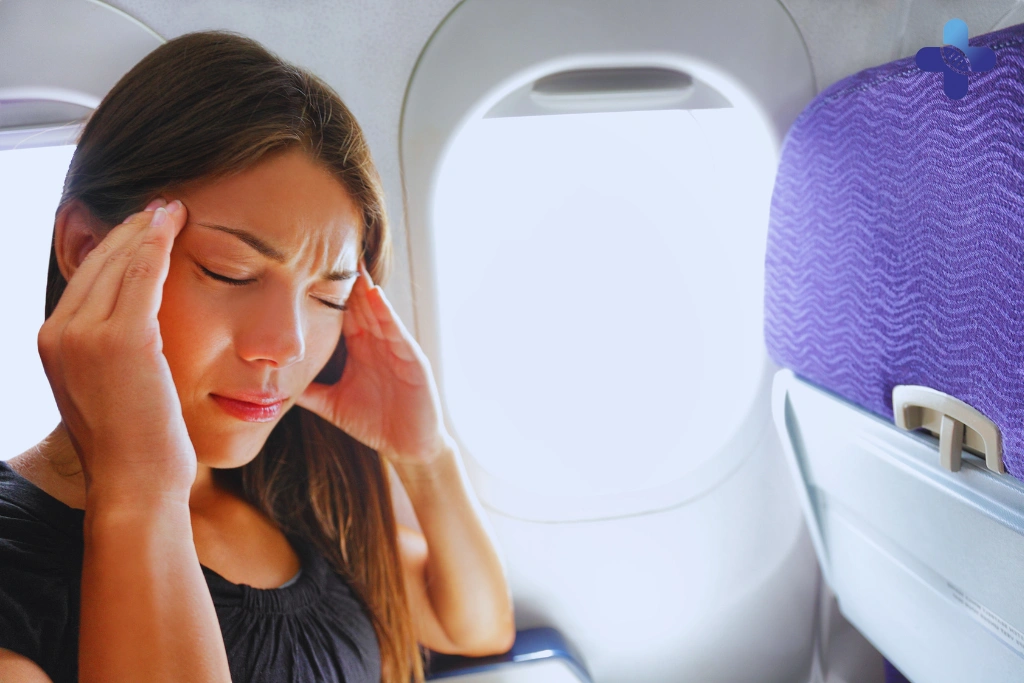
Bali’s environment may sometimes intensify jet lag symptoms during the adjustment period. Many visitors arrive eager to maximize their vacation immediately after landing, whether through surfing in Uluwatu, nightlife in Seminyak, coworking in Canggu, or retreat schedules in Ubud.
Bali’s tropical heat may also increase fluid loss through sweating, which can worsen headaches, fatigue, dizziness, and sluggishness. As a result, many travelers discover that dehydration can make jet lag symptoms feel stronger, particularly after long flights combined with outdoor activities and insufficient water intake.
Some travelers try to push through symptoms by staying highly active immediately after arrival, while others sleep almost the entire day. In reality, balanced pacing often feels more manageable during recovery.
How Long Does Jet Lag Usually Last After Arriving in Bali?
Recovery time varies significantly between travelers. Some people begin adjusting within several days, while others continue experiencing fatigue, poor sleep, or unusual appetite patterns for longer periods depending on travel distance, hydration, sleep quality, and overall stress levels.
Many travelers specifically search for how long does jet lag usually last after arriving in Bali because they worry something is wrong when symptoms continue beyond the first night. In many cases, gradual improvement happens over time as the body adjusts more closely to Bali’s local schedule.
However, recovery may feel slower for travelers who arrive already exhausted, dehydrated, or overloaded with activities immediately after landing.
How to Recover From Jet Lag in Bali
Although there is no instant cure for jet lag, several practical habits may help support smoother recovery during the first days after arrival. Daylight exposure, hydration, meal timing, and realistic activity pacing all play an important role during adjustment.
Recovery Habits That May Support Adjustment
- use daylight exposure after waking
- sleep according to Bali local time when possible
- stay hydrated consistently
- avoid excessive alcohol during recovery
- keep arrival-day schedules lighter
- eat meals according to local timing
- allow gradual adjustment
- balance rest with gentle movement
Travelers planning surfing, nightlife, or remote work schedules may benefit from following a structured jet lag recovery plan for your first 48 hours in Bali to reduce additional exhaustion during the adjustment period.
Why Sunlight Exposure Matters During Recovery
Daylight is one of the strongest signals influencing the body’s circadian rhythm.
Morning sunlight exposure may help reinforce local daytime timing and support the body’s adjustment process after travel.
Many travelers who spend most of the day indoors after arrival continue struggling with nighttime sleep disruption.
Because of this, travelers often find that sunlight exposure may help reset your body clock in Bali, especially when combined with local sleep timing and realistic activity pacing.
Sleep schedules may also remain disrupted even when daytime energy improves slightly. Some travelers continue waking up too early after arriving in Bali, while others feel alert late at night despite being exhausted during daytime hours.
Meal timing may also influence recovery because digestion and hunger patterns are closely connected to circadian rhythm.
Should You Rest or Stay Active During Recovery?
Many travelers feel uncertain whether complete rest or immediate activity is the better recovery strategy after arriving in Bali.
In reality, both extremes may sometimes make recovery harder.
Sleeping for an entire day may delay local-time adjustment, while trying to immediately maintain intense gym sessions, surf schedules, nightlife, or full productivity routines may increase exhaustion.
Gentle movement such as stretching, walking, swimming, or relaxed sightseeing often feels more manageable during the adjustment period.
This balance becomes especially important for travelers experiencing brain fog or low motivation because jet lag can affect focus and productivity during your Bali trip even when physical fatigue begins improving.
Travelers staying around Ubud or Canggu may also notice that coworking environments, retreat schedules, or busy cafés feel mentally overwhelming before the body fully adapts.
When Jet Lag Symptoms May Need Medical Attention
Jet lag itself is common after long-haul travel, but severe symptoms should not automatically be assumed to be ordinary travel fatigue.
Signs That May Need Medical Guidance
- high fever
- persistent vomiting
- fainting
- confusion or disorientation
- severe dehydration symptoms
- chest discomfort
- shortness of breath
- rapidly worsening weakness
These symptoms may involve dehydration, infection, heat-related illness, or another medical condition rather than uncomplicated jet lag alone.
Travelers experiencing severe digestive symptoms should also remember that appetite changes linked to jet lag are different from serious illness. Although jet lag can affect appetite and digestion during your Bali trip, symptoms such as severe vomiting, high fever, or worsening diarrhea should still be evaluated medically.
A Medical Clinic in Bali may help assess possible causes and provide appropriate guidance.
Jet Lag IV Drip Bali: Supportive Recovery for Travelers
Some travelers look for additional wellness-focused recovery support during the adjustment period after long-haul travel.
Hydration, sleep timing, daylight exposure, meal consistency, and balanced pacing remain important parts of recovery. However, travelers who feel physically depleted after flights sometimes seek supportive hydration care to help them feel more comfortable during recovery.
For travelers experiencing fatigue, dehydration, or low energy after arrival, Jet Lag IV Drip Bali from Life Everyouth Bali may support hydration and wellness recovery during the adjustment period.
The service is available for travelers staying around Seminyak, Canggu, Sanur, Jimbaran, Ubud, Kuta, and Uluwatu.
Jet Lag IV Drip Bali is not intended to instantly “cure” jet lag or replace sleep, but supportive hydration and nutrient replenishment may help travelers feel more comfortable while adjusting after long-haul travel.
Travelers interested in wellness-focused hydration support may also explore information about travel recovery IV drip in Bali as part of their recovery planning.
Need Support During Jet Lag Recovery in Bali?
Long-haul travel may temporarily disrupt sleep, hydration, digestion, concentration, and energy levels during the first days after arriving in Bali.
If fatigue, dehydration, or low energy are making recovery difficult, Life Everyouth Bali provides supportive Jet Lag IV Drip Bali services for travelers seeking hydration and wellness-focused recovery support.
Whether you are staying around Seminyak, Canggu, Sanur, Jimbaran, Ubud, Kuta, or Uluwatu, professional guidance may help support a more comfortable adjustment period after travel.
Conclusion – What is Jet Lag? A Science-Based Guide to Resetting Your Body Clock

Crossing multiple time zones may temporarily disrupt sleep, digestion, concentration, appetite, and overall physical comfort during the first days after arriving in Bali.
Recovery time varies between travelers, and Bali’s climate, outdoor activities, nightlife, and busy schedules may sometimes intensify symptoms further.
Hydration, sunlight exposure, balanced pacing, local sleep timing, and realistic expectations may all help support smoother adjustment.
Travelers experiencing severe symptoms such as persistent vomiting, confusion, chest discomfort, fever, or severe dehydration should seek medical guidance rather than assuming symptoms are only related to ordinary jet lag.For travelers feeling physically depleted after long-haul travel, Life Everyouth Bali offers supportive Jet Lag IV Drip Bali services designed to support hydration and wellness recovery during the adjustment period.
Frequently Asked Questions (FAQ) – What is Jet Lag? A Science-Based Guide to Resetting Your Body Clock
Is jet lag common after flying to Bali?
Yes. Many international travelers experience jet lag after crossing multiple time zones before arriving in Bali. Symptoms often include fatigue, disrupted sleep, brain fog, and unusual daytime sleepiness during the first few days.
Why do I wake up very early after arriving in Bali?
Your internal body clock may still follow your original home-country time zone after arrival. This can make travelers wake up unusually early or feel sleepy at unexpected times.
Why do I feel tired during the day but awake at night?
This is a common effect of circadian rhythm disruption after long-haul travel. The body may still believe it is operating according to your departure-country schedule.
Can dehydration make jet lag symptoms feel worse?
Yes. Long flights and Bali’s tropical climate may increase dehydration, which can worsen fatigue, headaches, dizziness, and sluggishness during recovery.
Can jet lag affect focus and productivity?
Yes. Sleep disruption and fatigue may temporarily affect concentration, memory, motivation, and mental clarity. Many remote workers and business travelers notice productivity changes during the first days after arrival.
Can jet lag affect appetite and digestion?
Yes. Circadian rhythm disruption may temporarily affect digestion, appetite timing, bloating, and meal comfort after long-haul travel.
How long does jet lag usually last after arriving in Bali?
Recovery time varies depending on travel distance, hydration, sleep quality, and overall stress levels. Some travelers adjust within a few days, while others may need longer.
Does sunlight help with jet lag recovery?
Morning daylight exposure may help reinforce local daytime timing and support body-clock adjustment. Many travelers find it easier to adapt when spending time outdoors during daylight hours.
When should jet lag symptoms be checked medically?
Seek medical guidance if symptoms include fever, chest discomfort, severe dehydration, confusion, persistent vomiting, fainting, or worsening weakness. These symptoms may involve another medical condition rather than ordinary jet lag alone.
Can Jet Lag IV Drip Bali help after long-haul travel?
Jet Lag IV Drip Bali does not instantly cure jet lag or replace sleep. However, Life Everyouth Bali may provide supportive hydration and wellness recovery for travelers feeling physically depleted after long flights.
