
Persistent symptoms during a Bali stay can feel worrying when fever, fatigue, night sweats, or recurring infections do not improve as expected. For broader context about immune decline, prevention, and testing, readers can refer to AIDS in Bali before deciding whether private screening is needed.
Early Warning Signs That May Suggest AIDS-Related Immune Decline in Bali
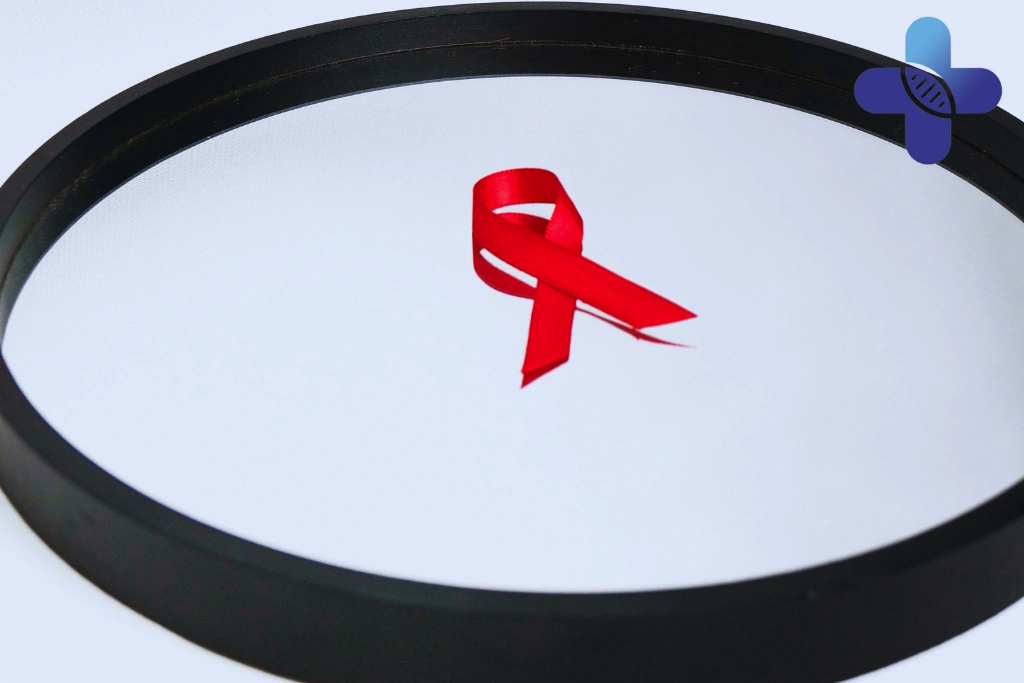
Feeling unwell in Bali does not always mean something serious is happening. Heat, food changes, poor sleep, stress, and common infections can all affect the body.
Still, AIDS warning signs in Bali should not be ignored when symptoms persist, return often, or appear together with possible exposure history.
AIDS is the advanced stage of untreated HIV infection. WHO explains that untreated HIV can progress to AIDS, often after many years, while HIV can be treated with antiretroviral therapy.
Symptoms alone cannot diagnose AIDS. But they can help someone recognize when testing or medical guidance may be needed.
Why Persistent Symptoms Can Feel Confusing in Bali
Bali’s climate and travel lifestyle can make symptoms harder to interpret.
Fever may be blamed on heat or infection. Fatigue may be blamed on nightlife, jet lag, remote work, or long travel days.
Digestive problems may be linked to food changes. Night sweats may be blamed on warm rooms, alcohol, stress, or poor sleep.
For travelers in Canggu, Seminyak, Kuta, Ubud, Uluwatu, Sanur, or Jimbaran, symptoms may be easy to explain away at first.
The concern grows when symptoms do not improve, keep returning, or appear with possible sexual exposure.
What AIDS-Related Immune Decline Means
AIDS-related immune decline happens when HIV has damaged the immune system over time.
CDC explains that HIV can have a chronic stage where people may have no symptoms, while the virus remains active in the body. Without treatment, HIV can progress to Stage 3, also called AIDS.
Kemenkes Indonesia also explains that HIV attacks the immune system, and if untreated, can develop into AIDS, where the body becomes vulnerable to serious infections and diseases.
This is why testing matters. Waiting until symptoms become severe may delay clarity and medical care.
Warning Signs That May Need Medical Attention
Some symptoms may need medical guidance when they persist, worsen, or appear together.
Health Changes That Should Not Be Ignored
- Persistent or recurring fever
- Night sweats
- Unexplained weight loss
- Chronic diarrhea
- Recurring infections
- Swollen lymph nodes
- Mouth sores or oral thrush
- Fatigue that does not improve with rest
These signs do not automatically mean AIDS. They can be caused by many other conditions, including digestive infections, dengue, respiratory illness, dehydration, or stress.
But if they continue or return often, it is better to get checked rather than keep guessing.
For a more specific symptom pattern, the related topic fever weight loss fatigue Bali AIDS may help explain why this combination should be evaluated carefully.
Why Symptoms Alone Cannot Confirm AIDS
Online symptom checking can make anxiety worse. Many AIDS-related warning signs overlap with common travel illnesses.
Fever, diarrhea, weight loss, swollen glands, fatigue, or night sweats can have many causes.
AIDS cannot be confirmed by symptoms alone. Testing and clinical assessment are needed to understand whether HIV, another STD, or a different illness may be involved.
People searching for AIDS warning signs in Bali should avoid assuming the worst. The safer approach is to combine symptom awareness with exposure history and proper testing.
When Exposure History Becomes Important

Symptoms should not be viewed alone. Exposure history matters.
AIDS is not caused by Bali, food, weather, hotels, beaches, or casual contact. AIDS is the advanced stage of untreated HIV infection.
WHO states that HIV is transmitted through specific body fluids, including blood, breast milk, semen, and vaginal fluids. It is not spread through kissing, hugging, or sharing food.
This means the key question is whether there has been possible exposure and whether testing has been done.
Testing May Be More Relevant If
- You had unprotected sex
- A condom broke or slipped
- You do not know your partner’s testing history
- You have had multiple or new partners
- You had a previous STD diagnosis
- You shared needles or unsterile injecting equipment
- You have not had an STD test for a long time
These situations do not mean someone has AIDS. They simply mean testing may help clarify risk.
For travelers unsure whether their situation counts as exposure, AIDS risk in Bali can provide broader context.
Why Early Testing Can Reduce Uncertainty
Testing helps replace fear with information. It can show whether HIV or another STD may be involved.
WHO explains that rapid diagnostic tests can support HIV diagnosis, although confirmatory testing is required after a reactive result.
Testing is also useful because symptoms are not always present early. Some people may feel well for a long time, even when testing would still be appropriate after exposure.
If symptoms and exposure history overlap, STD testing in Bali can be a practical first step.
Private Testing Options for Travelers With Symptoms
Many people hesitate to test because sexual health feels private. Some worry about confidentiality, judgment, or not knowing where to go.
Life Everyouth Bali provides confidential STD testing services for travelers and residents in Bali. Its service page mentions clinic access and home visit STI testing for people who prefer testing from their accommodation.
Travelers near Sanur or Jimbaran may prefer clinic-based testing. Visitors staying in Canggu, Seminyak, Kuta, Uluwatu, or Ubud may ask whether home STD testing Bali is available for their location.
A private test does not mean something is definitely wrong. It means you are taking a responsible step toward clarity.
When to Seek Medical Guidance Instead of Waiting
Some symptoms need more urgent attention, especially when they are severe or worsening.
Seek medical guidance if fever persists, weakness becomes extreme, diarrhea causes dehydration, confusion appears, or symptoms keep returning.
A Medical Clinic in Bali may help assess whether symptoms are linked to infection, dehydration, tropical illness, immune concerns, or sexual health risk.
If night sweats and fatigue are the main concern, the related guide night sweats fatigue Bali AIDS may help explain why this pattern should not be ignored.
Need Private STD Testing in Bali?
If you are concerned about AIDS warning signs in Bali, possible exposure, or delayed testing, private screening can help you stop relying on symptoms alone.
Life Everyouth Bali provides confidential STD testing in Bali for travelers, expats, and long-stay visitors, with clinic access in Sanur and Jimbaran and home testing options for selected Bali areas.
Book STD Testing in Bali
Conclusion – AIDS Warning Signs in Bali: When to Test

Persistent symptoms in Bali can have many causes. Heat, food changes, travel stress, digestive illness, dehydration, and common infections may all play a role.
But symptoms such as recurring fever, night sweats, unexplained weight loss, chronic diarrhea, swollen lymph nodes, recurring infections, or fatigue should not be ignored.
AIDS is the advanced stage of untreated HIV infection. It cannot be confirmed from symptoms alone.
For travelers concerned about AIDS warning signs in Bali, the safest step is not to assume or delay. If symptoms and possible exposure overlap, STD testing in Bali and medical guidance can help clarify what is happening.
Frequently Asked Question (FAQ) – AIDS Warning Signs in Bali: When to Test
What are possible AIDS warning signs in Bali?
Possible warning signs may include persistent fever, night sweats, unexplained weight loss, chronic diarrhea, recurring infections, swollen lymph nodes, mouth sores, or unusual fatigue. These symptoms do not confirm AIDS by themselves.
Do night sweats mean I have AIDS?
No. Night sweats can have many causes, including heat, stress, infection, alcohol, medication, or sleep disruption. They should be checked if they happen repeatedly or appear with other symptoms.
Can recurring infections be AIDS-related?
Recurring infections can happen with AIDS-related immune decline, but they can also have many other causes. Medical evaluation and testing are needed to understand the reason.
Is fatigue in Bali a warning sign of AIDS?
Fatigue alone is not specific. It may be related to travel, poor sleep, dehydration, infection, or stress. Persistent fatigue with other symptoms should be checked.
What is the difference between HIV and AIDS?
HIV is the virus that attacks the immune system. AIDS is the advanced stage of untreated HIV infection, when the immune system becomes severely weakened.
Should I get tested if I have symptoms but no confirmed exposure?
Testing may still be considered if symptoms persist or if exposure history is uncertain. A healthcare provider can help decide which tests are appropriate.
Where can I get private STD testing in Bali?
Life Everyouth Bali offers confidential STD testing in Bali for travelers, expats, and long-stay visitors, with clinic access in Sanur and Jimbaran.
Can I get STD testing at my villa or hotel?
Yes, home STD testing Bali may be available for selected Bali areas. Availability depends on location, testing needs, and provider arrangements.
When should I contact a Medical Clinic in Bali?
Contact a Medical Clinic in Bali if symptoms persist, worsen, recur, or appear with possible sexual exposure. Medical guidance is especially important if symptoms include fever, weight loss, dehydration, or severe weakness.
Can AIDS be confirmed from symptoms alone?
No. AIDS cannot be confirmed from symptoms alone. Testing and medical assessment are needed for diagnosis and appropriate next steps.
