
Some travelers notice that a small wound isn’t getting worse—but it isn’t clearly getting better either. This experience is common in cases of delayed wound healing Bali, especially among common wounds in Bali where tropical humidity, warm temperatures, and daily movement affect how the skin heals, particularly for visitors staying active in areas like Sanur or resort-style neighborhoods such as Jimbaran.
You can read our previous article on self-treated wounds in Bali to understand why home care doesn’t always work as expected in tropical conditions.
Delayed Healing in Tropical Climates: What Travelers Should Know in Bali
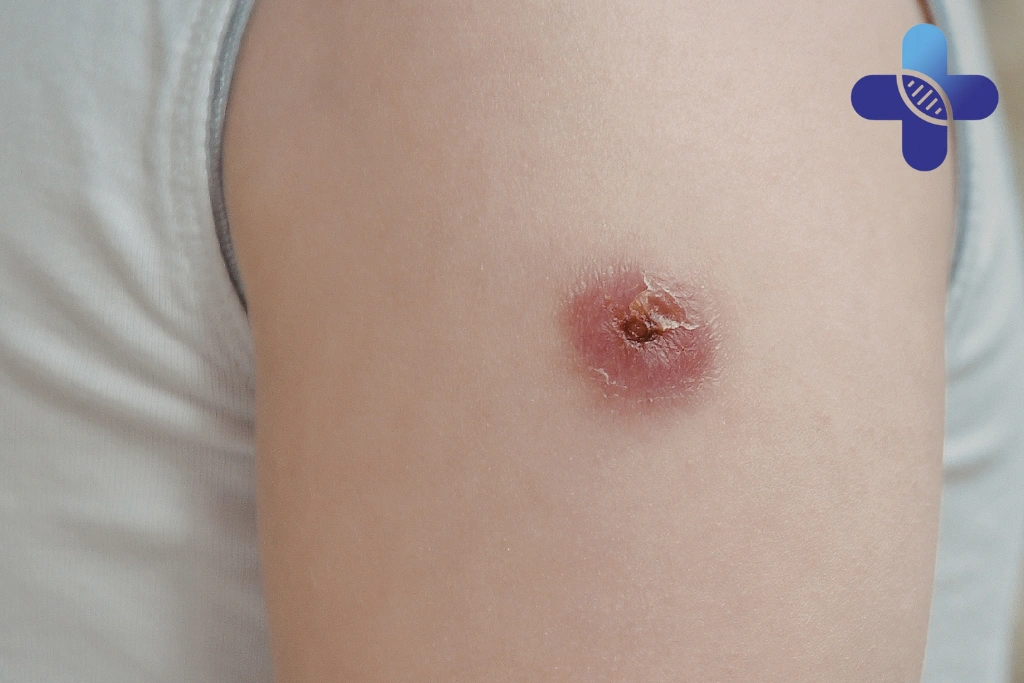
For many visitors to Bali, delayed wound healing Bali can feel confusing. The wound doesn’t look severe, but days pass without clear improvement. In most cases, this slower pace is linked to the tropical environment rather than a medical problem.
Understanding what’s normal—and what deserves a closer look—can help travelers stay calm and make informed decisions without unnecessary worry.
What Travelers Usually Expect From Wound Healing
When traveling, most people expect small wounds to follow the same timeline they’re used to at home. A minor cut or scrape is often expected to dry quickly, feel less tender each day, and close within a short period.
With delayed wound healing Bali, that expectation often doesn’t match reality. Clinics such as a Bali Medical Clinic frequently explain that healing timelines can shift during travel, especially in warm and humid destinations.
Why Healing Can Take Longer in Tropical Environments
One of the main reasons for delayed wound healing Bali is the environment itself. High humidity slows evaporation from the skin, keeping wounds moist for longer and delaying surface closure.
Heat also increases blood flow and sweat production, while daily activities like walking and outdoor dining add friction and movement. At Life Everyouth Bali, travelers are often reassured that these environmental factors commonly extend healing time without indicating complications.
Delayed Healing That Is Still Common and Non-Urgent
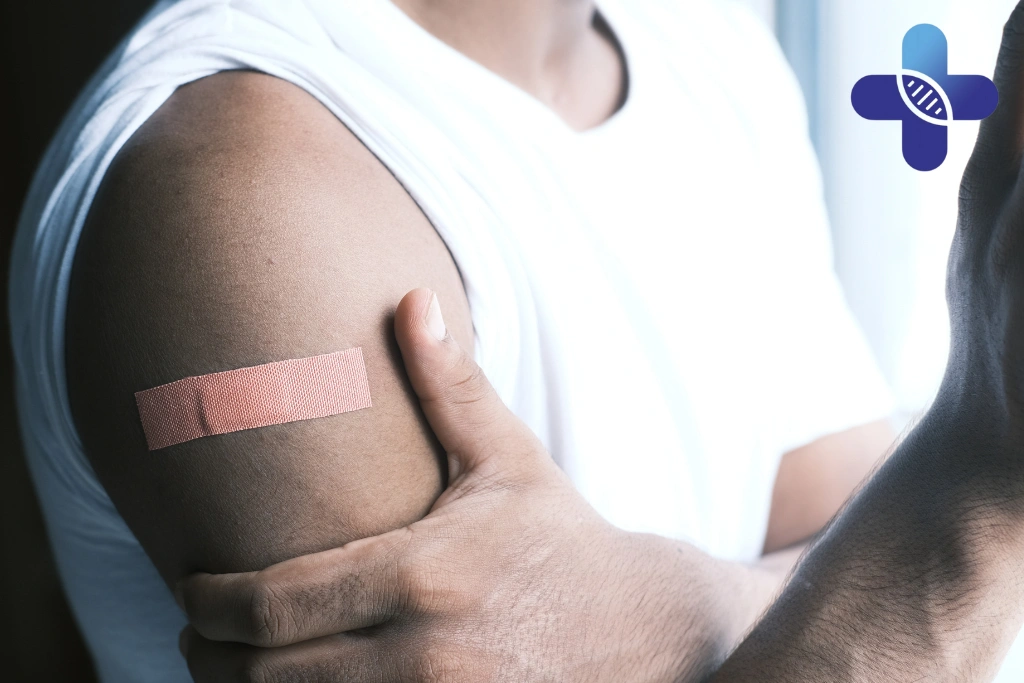
Not all slow healing is a problem. Many cases of delayed wound healing Bali remain mild and resolve naturally with time and basic care.
Travelers may notice that a wound:
- Improves very gradually rather than daily
- Stays slightly red or tender longer than expected
- Feels stable but slow to close
According to guidance commonly shared at a Bali Medical Clinic, these patterns are often considered non-urgent in tropical travel settings.
Signs That Healing Is Slower Than Expected
Paying attention doesn’t mean assuming the worst—it simply means observing change over time. With delayed wound healing Bali, closer attention can be helpful if you notice:
- No visible improvement after several days
- A wound surface that doesn’t begin closing
- Recurring redness or tenderness rather than steady improvement
These signs don’t automatically mean something is wrong, but they can signal that the skin may benefit from clarification or adjusted care.
Why Getting Timely Guidance Can Simplify Recovery
Early clarification often makes recovery feel simpler, not more serious. For travelers experiencing delayed wound healing Bali, a brief check-in can help confirm whether healing is still within a normal range for a tropical climate.
Clinics like Life Everyouth Bali often support travelers at this stage to provide reassurance, practical advice, and peace of mind—especially for those balancing recovery with travel plans.
If a wound feels slow to improve or uncertain, calm guidance through wound care in bali can help clarify next steps—without pressure or urgency.
Conclusion – Delayed Wound Healing Bali: What Travelers Should Know

Delayed wound healing is a common experience for travelers in Bali due to humidity, heat, and an active lifestyle. In many cases, slower healing reflects environmental adaptation rather than a medical issue. By understanding normal timelines and observing changes calmly, travelers can protect their comfort while continuing to enjoy their stay.
You may also want to read our next article on wound infection signs in Bali, which explains how to recognize early changes that may need closer attention.
Frequently Asked Questions (FAQ) – Delayed Wound Healing Bali: What Travelers Should Know
How long should small wounds normally heal?
Small wounds often show gradual improvement within several days. With delayed wound healing Bali, healing may take longer due to humidity and activity, even when the wound is otherwise uncomplicated.
Why do wounds heal slower in tropical climates?
Warm temperatures and high humidity keep the skin moist for longer. This slows surface drying and closure, which is why delayed wound healing Bali is common among travelers.
Is delayed healing always a problem?
No. Many slow-healing wounds remain mild and resolve on their own. Concern is more relevant when healing stalls completely or symptoms worsen.
Can humidity slow skin recovery?
Yes. Humidity interferes with evaporation and can disrupt the skin’s repair process. Clinics like Life Everyouth Bali often explain this as a key environmental factor.
Does daily activity affect healing time?
Walking, friction, and repeated movement can slow healing, especially for legs and feet. This is a frequent contributor to delayed wound healing Bali.
When should travelers start seeking advice?
If a wound shows little improvement after several days or becomes more uncomfortable, seeking guidance can provide reassurance and clarity.
Are slow-healing wounds common in Bali?
Yes. Delayed wound healing Bali is commonly observed among tourists, particularly those staying active in warm, humid conditions.
Can early care shorten healing time?
Early guidance can help optimize care and reduce irritation, which may support smoother healing.
Should travelers limit activities if healing is slow?
In some cases, reducing friction or excessive movement can help. Advice from a Bali Medical Clinic can clarify what adjustments are reasonable.
Where can travelers get wound guidance in Bali?
Clinics such as Life Everyouth Bali regularly assist travelers who want to understand healing timelines and ensure their recovery stays on track.
