
Many travelers don’t realize that the most common digestive mistakes in Bali often come from simple daily habits rather than the food itself, which is why mild stomach issues are so common during early days on the island. Before symptoms escalate into what many people refer to as Bali Belly in Bali, understanding these small triggers can help you stay comfortable, energized, and ready to explore.
If you haven’t read it yet, check out our previous article about ice safety in Bali to understand hidden risks that may affect your digestion.
Are You Accidentally Hurting Your Stomach in Bali? Here Are the Most Common Traveler Mistakes
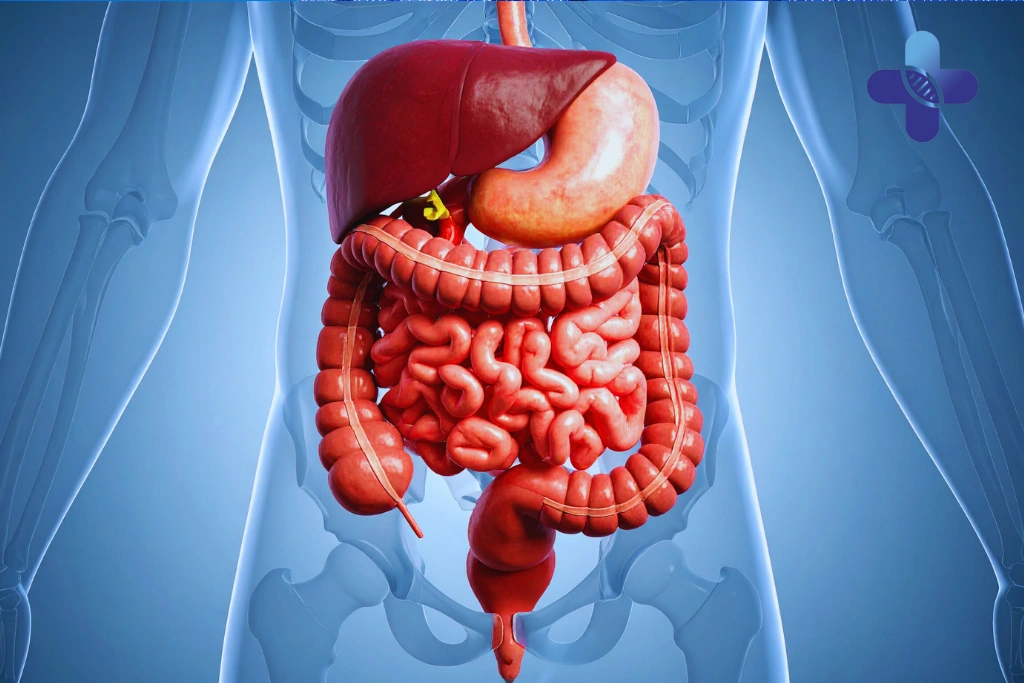
If you’ve ever felt bloated, low-energy, or slightly “off” after a day exploring Bali, you’re definitely not alone. Many travelers unknowingly make small daily mistakes that disrupt digestion — often without realizing it.
At Life Everyouth Bali, we see this all the time at our medical clinic in Bali, especially among new visitors adapting to tropical conditions.
Understanding these common digestive mistakes in Bali can help you prevent stomach discomfort and enjoy your trip with confidence.
Mistake #1 – Drinking Tap Water or Unsafe Ice
One of the biggest digestive mistakes Bali travelers make is assuming tap water is safe to drink. Even brushing your teeth with tap water can expose your stomach to unfamiliar bacteria.
This doesn’t mean Bali is unsafe — it simply means your gut is not used to the local water microbiome.
At Life Everyouth Bali, our doctors often find that mild stomach upset begins with accidental tap-water exposure or consuming ice from unknown sources.
What to do instead
- Stick to sealed bottled water.
- Avoid ice unless it’s from reputable restaurants.
- Use bottled water when brushing your teeth.
Mistake #2 – Eating Street Food Too Soon
Trying street food too quickly is another common trigger for stomach upset in Bali. Local dishes can be rich, spicy, or oily — delicious, but sometimes intense for a gut that’s still adjusting.
Even if you’re a seasoned traveler, your stomach may need a short adjustment period to Bali’s tropical ingredients.
At Life Everyouth Bali, we encourage visitors to enjoy local cuisine, but introduce it gradually. Don’t go full sambal matah on day one.
Smart tips
- Start with mild, freshly cooked dishes.
- Avoid foods that sit out too long in the heat.
- Choose vendors with good hygiene practices.
Mistake #3 – Skipping Meals or Eating Too Fast

Travel excitement often leads to irregular eating — skipping meals, eating too fast, or overeating after long gaps.
These habits can easily cause bloating, acid imbalance, and discomfort, especially in Bali’s humid climate.
As a Bali medical clinic serving travelers and expats, Life Everyouth Bali frequently sees digestion issues caused by nothing more than disrupted meal timing and stress.
Try this instead
- Stick to regular meal times.
- Eat slowly and mindfully.
- Avoid large meals right before intense activities or long beach days.
Mistake #4 – Not Staying Hydrated Enough
Dehydration is extremely common among travelers, and it directly slows digestion.
Bali’s tropical heat makes you lose fluids much faster than you think — and your gut needs adequate water to break down food properly.
Many travelers experiencing digestive mistakes in Bali are actually dealing with dehydration, not food issues.
At Life Everyouth Bali, we often help visitors who feel fatigued, nauseous, or dizzy simply because they’ve been under-hydrating.
Stay hydrated by
- Drinking water consistently throughout the day.
- Adding electrolytes when doing outdoor activities.
- Limiting dehydrating drinks like alcohol and coffee.
Mistake #5 – Ignoring Early Warning Signs
Mild cramps, nausea, fatigue, or reduced appetite are often early signs of digestive imbalance.
But many travelers ignore them — assuming they’ll pass.
Delaying care can make symptoms worse, especially when dehydration or food irritation is involved.
When to seek help
If you start feeling unwell, don’t wait until it becomes severe.
At Life Everyouth Bali, our Bali Belly IV Drip is designed to help travelers recover quickly, restore hydration, and prevent complications — especially when symptoms appear early.
Conclusion Digestive Mistakes Travelers Make in Bali

With a few small adjustments, staying healthy in Bali becomes easy — listen to your body, stay hydrated, introduce new foods gradually, and be mindful of simple daily habits that affect digestion. By paying attention to these factors, you can enjoy every bite and sip Bali offers without discomfort. And if your stomach needs extra support, Life Everyouth Bali, a trusted medical clinic in Bali, is always ready to help travelers, expats, and long-stay visitors recover quickly and safely.
Next, continue with our article on how Bali’s climate can influence your digestive comfort and overall gut health.
Frequently Asked Question (FAQ) Digestive Mistakes Travelers Make in Bali
What causes stomach problems in Bali?
Most stomach issues come from differences in food or water hygiene that your body isn’t used to. The tropical heat can also increase dehydration, making symptoms feel stronger.
Is it normal to feel bloated after eating in Bali?
Yes, many travelers experience mild bloating as their gut adapts to new ingredients and humidity. This usually improves within a few days as your digestion adjusts.
How can I avoid digestive issues while traveling?
Eat freshly cooked meals and drink only sealed bottled water. Avoid ice or food that has been sitting out too long.
Can stress cause stomach problems while traveling?
Yes, stress and irregular routines can disrupt digestion. Traveling often changes sleep and eating patterns, which also affects your gut.
Is Bali’s food hygiene safe?
Generally, yes — especially in reputable restaurants and cafés. Still, it’s wise to observe cleanliness before ordering.
What are early signs of digestion issues?
Common early symptoms include cramps, bloating, nausea, or mild diarrhea. Feeling low-energy or dehydrated can also be a sign your gut is struggling.
What’s the fastest way to recover from stomach upset?
Hydrating properly and resting usually helps the body recover quickly. The Bali Belly IV Drip at Life Everyouth Bali can speed up rehydration and restore energy fast.
Where can I get medical help in Bali?
You can visit Life Everyouth Bali, a trusted medical clinic in Sanur and Jimbaran. Our team treats travelers and expats with safe, professional tropical healthcare.
Can dehydration make digestion worse?
Yes, dehydration slows digestion and makes symptoms like bloating or cramps feel more intense. Drinking enough water helps your gut function properly.
Do I need antibiotics for mild stomach issues?
Not always — many mild symptoms resolve on their own with proper hydration and rest. It’s best to consult a doctor at Life Everyouth Bali before taking antibiotics.
