
Long-haul flights place significant stress on the body, weakening immunity and making travelers more susceptible to flu-like symptoms once they land in Bali—especially in humid areas like Sanur. Many visitors mistake these early signs as simple jet lag, unaware that the combination of dehydration, sleep disruption, and tropical climate transition can trigger what is known as post-flight flu Bali, a common form of Flu in Bali that affects newly arrived tourists.
If you haven’t read our previous guide on Bali flu caused by AC exposure, make sure to check it out to understand how sudden temperature shifts can weaken your body after arrival.
Why Long-Haul Flights Make Tourists More Prone to Flu in Bali

After arriving in Bali—particularly when heading straight to Sanur—many travelers experience headaches, fatigue, congestion, or sore throat within the first 24–48 hours. These symptoms are often dismissed as jet lag, but they may be early indicators of post-flight flu Bali, a condition Life Everyouth Bali frequently evaluates in new arrivals. As a trusted Medical Clinic in Bali, Life Everyouth Bali helps travelers understand how flight conditions and tropical climate transitions interact to weaken the immune system.
What Long-Haul Flights Do to Your Body Before You Even Arrive
Dehydration and Cabin Dryness Lower Your Immune Response
Long flights drastically reduce hydration levels due to extremely dry cabin air. Life Everyouth Bali often sees travelers who arrive in Sanur already immunologically compromised, making them more vulnerable to post-flight inflammation and flu-like symptoms.
Poor Sleep and Stress Hormones Make You More Vulnerable
Irregular sleep, prolonged sitting, and elevated stress hormones increase susceptibility to post-flight flu Bali. Once travelers land, their bodies struggle to stabilize, making early flu symptoms more noticeable.
Why The Transition to Sanur’s Humidity Feels Overwhelming
Shifting from an air-conditioned aircraft to Sanur’s warm, humid climate creates thermal stress that affects respiratory pathways. This transition can intensify fatigue and early discomfort, leading Life Everyouth Bali to advise closer symptom monitoring during the first 48 hours.
Symptoms Travelers Mistake as Jet Lag Instead of Bali Flu
Headache and Fatigue That Persist Beyond Normal Jet Lag
Jet lag-related fatigue usually improves with rest, but persistent headaches paired with exhaustion may indicate early flu onset. Life Everyouth Bali, a trusted Bali Medical Clinic, urges travelers not to dismiss prolonged symptoms.
Runny Nose and Low Energy Often Misread by New Arrivals
A mild runny nose or unusual lethargy is often seen during post-flight flu Bali, not just travel fatigue. Many travelers in Sanur overlook these early signs, delaying necessary care.
When Appetite Loss Points Toward Early Flu Symptoms
Loss of appetite is common after long flights, but if it continues into the next day, it may reflect emerging flu-related inflammation. Life Everyouth Bali evaluates these patterns regularly in new visitors.
Why Sanur’s Heat Makes Some Symptoms More Noticeable
Sanur’s warm climate increases dehydration and intensifies feelings of weakness or dizziness, making mild flu symptoms more pronounced. For some travelers, this exposes early signs they might otherwise miss.
Environmental Triggers in Bali That Intensify Post-Flight Symptoms

Heat-Humidity Shock After Leaving Air-Conditioned Airports
Exiting a cool terminal into Bali’s tropical heat causes respiratory pathways to swell slightly, which can worsen early flu sensations. Life Everyouth Bali sees this frequently among long-haul flyers arriving in Sanur.
Hotel AC, Outdoor Heat, and Sudden Temperature Switching
Switching repeatedly between cold hotel air-conditioning and outdoor heat amplifies post-flight flu Bali symptoms. This thermal fluctuation makes the body work harder to stabilize immune responses.
How Travelers Can Reduce Post-Flight Flu Risk in Sanur
Hydration, Rest, and AC Management Tips from Life Everyouth Bali
Life Everyouth Bali recommends drinking electrolyte-rich fluids, avoiding excessive AC on the first night, and resting in natural light to regulate body rhythms. These simple steps help reduce early post-flight flu Bali symptoms.
When Post-Flight Symptoms Require Medical Attention
Warning Signs That Indicate More Than Simple Fatigue
If headaches intensify, fever develops, or fatigue becomes debilitating, these may be signs of more than jet lag. Life Everyouth Bali, a reliable Medical Clinic in Bali, recommends early evaluation for persistent symptoms.
Why Some Travelers Decline Quickly in The First 48 Hours
The first two days are when immune suppression, dehydration, and tropical exposure combine most intensely. This can cause symptoms to escalate faster in some travelers, especially elderly visitors or digital nomads with high stress levels.
How Doctor on Call Life Everyouth Bali Helps Newly Arrived Tourists
For travelers too exhausted to visit a clinic, the Doctor on Call Life Everyouth Bali service provides immediate in-hotel evaluation in Sanur. This makes early care accessible and prevents worsening symptoms.
For quick medical support after arriving in Sanur, contact Doctor on Call Life Everyouth Bali for fast, reliable care wherever you’re staying.
Conclusion Post-Flight Flu Bali: Why Tourists Get Sick After Arrival
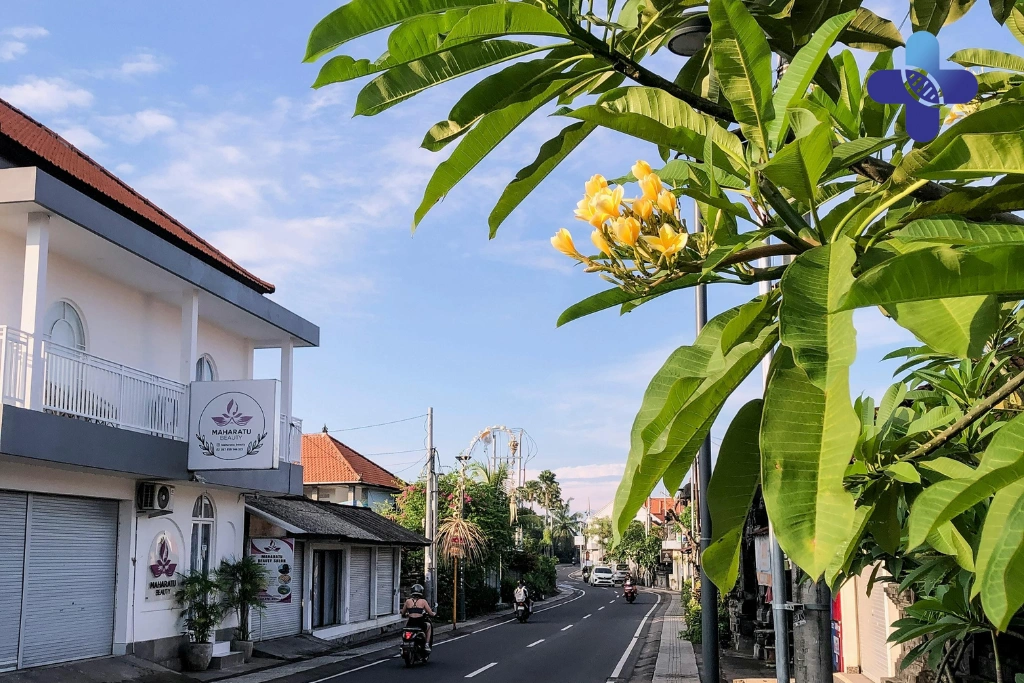
Long-haul travel significantly increases susceptibility to post-flight flu Bali, especially as travelers transition from dry cabin environments to Bali’s humid coastal climate. Many symptoms mistaken for jet lag may actually reflect early flu responses. For fast and reliable care, contact Doctor on Call Life Everyouth Bali for immediate medical support wherever you are staying in Sanur.
Continue to our next guide on dehydration flu Bali to learn how fluid loss in Sanur’s tropical climate can trigger early flu symptoms in travelers.
Frequently Asked Question (FAQ) Post-Flight Flu Bali: Why Tourists Get Sick After Arrival
How soon can post-flight flu Bali symptoms appear?
Symptoms can appear within 12–48 hours after landing, especially when the body is dehydrated and fatigued. Life Everyouth Bali frequently evaluates travelers who experience early inflammation shortly after arriving in Sanur.
Are long-haul travelers more vulnerable to flu in Sanur?
Yes, long flights reduce immunity and hydration, making visitors more susceptible once they reach Bali’s tropical climate. Life Everyouth Bali monitors these patterns closely among Sanur tourists.
What symptoms are easily mistaken for jet lag?
Persistent fatigue, headaches, congestion, and body weakness often align with post-flight flu Bali, not just jet lag. Life Everyouth Bali helps travelers distinguish between the two.
Can dehydration worsen post-flight flu Bali?
Absolutely—dehydration intensifies fatigue, headache, and dizziness. Life Everyouth Bali highlights hydration as the most important prevention step for Sanur arrivals.
Why does Bali’s humidity intensify symptoms?
The moist air makes breathing slightly heavier and increases body temperature regulation demands. This can make early flu symptoms more noticeable, especially in Sanur.
When should travelers visit a Medical Clinic in Bali?
If symptoms last longer than 48 hours or suddenly worsen, medical evaluation is essential. Life Everyouth Bali offers fast assessment for newly arrived visitors.
Are elderly tourists at higher risk?
Yes, older travelers adapt more slowly to humidity and experience stronger immune suppression after long flights. Life Everyouth Bali recommends early monitoring.
Can digital nomads experience prolonged symptoms?
Yes, high stress and irregular sleep patterns make digital nomads prone to extended post-flight flu Bali symptoms. Life Everyouth Bali often treats this group.
Should I worry if symptoms worsen at night?
Nighttime worsening may indicate rising inflammation or dehydration. Life Everyouth Bali advises checking for fever or escalating discomfort.
Can Doctor on Call Life Everyouth Bali assess post-flight symptoms?
Yes, the service offers remote triage and in-hotel evaluation for travelers in Sanur, ensuring fast care for those feeling too weak to travel.
