
Traveling to new destinations often includes exploring local cuisine and dining experiences. In some situations, digestive symptoms may be linked to conditions discussed in typhoid in Bali, particularly when food hygiene and water safety are not carefully considered during travel.
Safe Eating Tips for Travelers in Bali to Avoid Infection

Enjoying local food is one of the highlights of visiting Bali. From beachside dining in Jimbaran to casual cafés in Sanur, the variety of options is part of what makes the experience memorable.
However, changes in food, environment, and hygiene standards may increase the risk of digestive issues. By understanding safe eating tips in Bali, travelers can enjoy local cuisine while reducing the likelihood of infection during their stay.
Why Food Safety Matters During Travel
When traveling, the body is often exposed to new bacteria and unfamiliar food preparation methods. This adjustment period can affect how the digestive system responds.
Differences in hygiene standards, water quality, and food handling practices may increase the risk of illness. This is why food safety in Bali becomes especially relevant for travelers who are not accustomed to local conditions.
Being aware of these differences does not mean avoiding local food altogether, but rather approaching it with informed choices.
Choosing Where to Eat in Bali
Where you choose to eat can significantly influence your experience. While Bali offers a wide range of dining options, not all places maintain the same level of hygiene.
In areas such as Sanur or Ubud, travelers can find both well-maintained restaurants and smaller local vendors. Observing the cleanliness of the environment, food preparation area, and overall crowd can provide useful clues.
Places with steady customer flow often indicate fresher food and better turnover, which may help reduce potential risks.
What Types of Food Are Safer for Travelers
The type of food you choose can also affect your risk level. Some foods are generally considered safer because of how they are prepared and served.
Food Choices That May Reduce Risk
- Meals that are freshly cooked and served hot
- Fully cooked dishes rather than raw items
- Food prepared in front of you
Hot, freshly prepared meals are less likely to carry harmful microorganisms compared to food that has been sitting at room temperature.
Food and Drink Precautions Travelers Should Follow
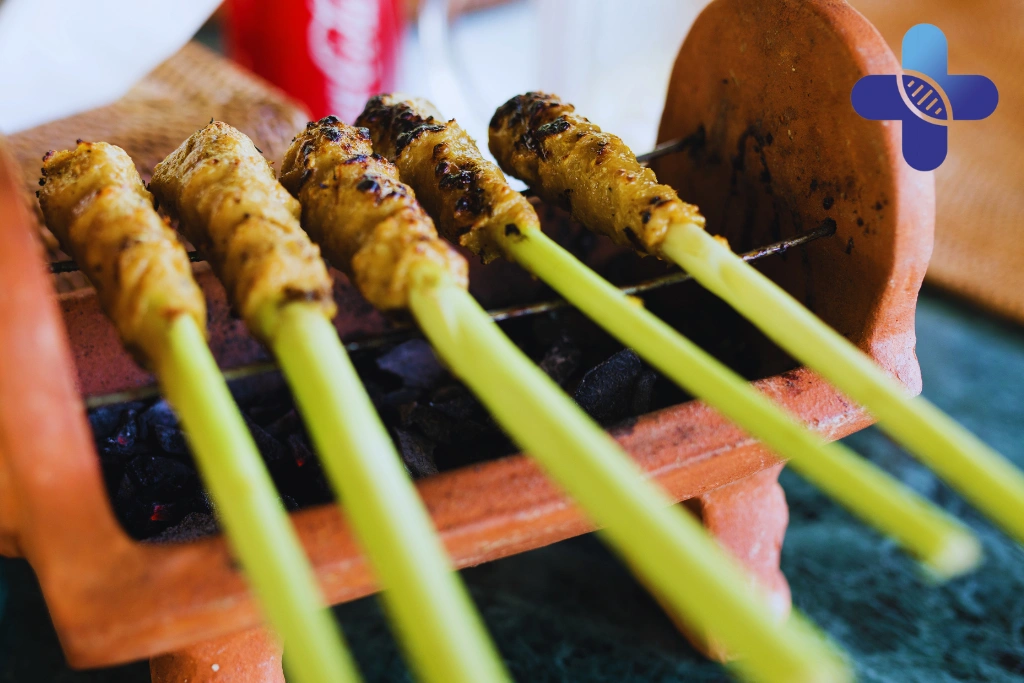
Food safety also extends to what you drink and how food is handled before it reaches your table. Small precautions can make a meaningful difference.
Instead of relying on tap water, many travelers choose bottled or properly treated water. Ice in drinks may also be a consideration if the water source is unclear.
Being mindful of utensils, food storage, and preparation practices can help reduce exposure to foodborne illness symptoms in Bali, especially in unfamiliar dining environments.
Hygiene Habits That Help Reduce Risk
Personal hygiene plays an important role in maintaining health during travel. Even when food is prepared safely, poor hygiene can still lead to contamination.
Simple Habits That Make a Difference
- Washing hands before eating
- Using hand sanitizer when needed
- Avoiding direct contact with food using unclean hands
These habits are part of essential hygiene tips for travelers, especially when moving between different locations in Bali.
Situations Where Extra Caution Is Needed
Certain situations may require additional awareness. This does not mean avoiding them completely, but understanding when to be more careful.
Street food, buffet-style dining, and food that has been left exposed for extended periods may carry a higher risk if hygiene is not well maintained.
Travelers exploring busy areas in Bali, including popular dining spots in Jimbaran, may encounter these situations more frequently and should make mindful choices.
What to Do If You Feel Unwell After Eating
If symptoms appear after eating, taking early steps can help manage the situation effectively. Many mild cases improve with simple care, but monitoring is still important.
Initial Steps to Consider
- Stay well hydrated
- Get enough rest
- Monitor symptoms over time
- Avoid heavy or risky foods temporarily
If symptoms persist or worsen, visiting a Medical Clinic in Bali may help clarify the condition. Providers such as Life Everyouth Bali or other Bali Medical Clinic services may assist in evaluating symptoms and determining appropriate next steps.
Travelers who experience symptoms after eating during their stay may consider accessing medical support such as Doctor On Call in Bali for convenient evaluation and guidance directly at their accommodation.
This option may help determine whether symptoms are mild or require further medical attention while continuing your travel in Bali.
Conclusion – Safe Eating Tips in Bali: Avoid Infection While Traveling

Applying safe eating tips in Bali allows travelers to enjoy local culinary experiences while minimizing the risk of infection. By making informed choices and maintaining good hygiene habits, visitors can better protect their health and fully enjoy their time in Bali.
Frequently Asked Question (FAQ) – Safe Eating Tips in Bali: Avoid Infection While Travelin
What are safe eating tips for travelers in Bali?
Safe eating tips in Bali include choosing clean restaurants, eating freshly cooked food, and maintaining good hygiene practices.
Is street food safe in Bali?
Street food can be safe if travelers select vendors carefully and observe hygiene conditions.
What foods should travelers avoid in Bali?
Travelers may consider avoiding undercooked food, raw items, and food stored at room temperature for long periods.
Is tap water safe for drinking?
Tap water is generally not recommended for drinking. Bottled or treated water is often preferred.
Can ice cause infection in Bali?
Ice may pose a risk if made from untreated water, so it is important to be cautious.
How can travelers reduce risk when eating out?
By choosing reputable places, eating freshly prepared food, and practicing hygiene habits.
What are early signs of foodborne illness?
Early signs may include nausea, diarrhea, abdominal discomfort, and fatigue.
What should travelers do if they feel sick after eating?
They should rest, stay hydrated, and monitor symptoms closely.
When should travelers seek medical care in Bali?
Travelers should consider medical care if symptoms persist or worsen. Services such as Life Everyouth Bali or other Medical Clinic Bali providers may assist with proper evaluation.
Can Doctor On Call services help with food-related illness?
Yes, Doctor On Call services provided by Bali Medical Clinic or other Medical Clinic in Bali providers can help assess symptoms and provide guidance based on individual conditions.
